-
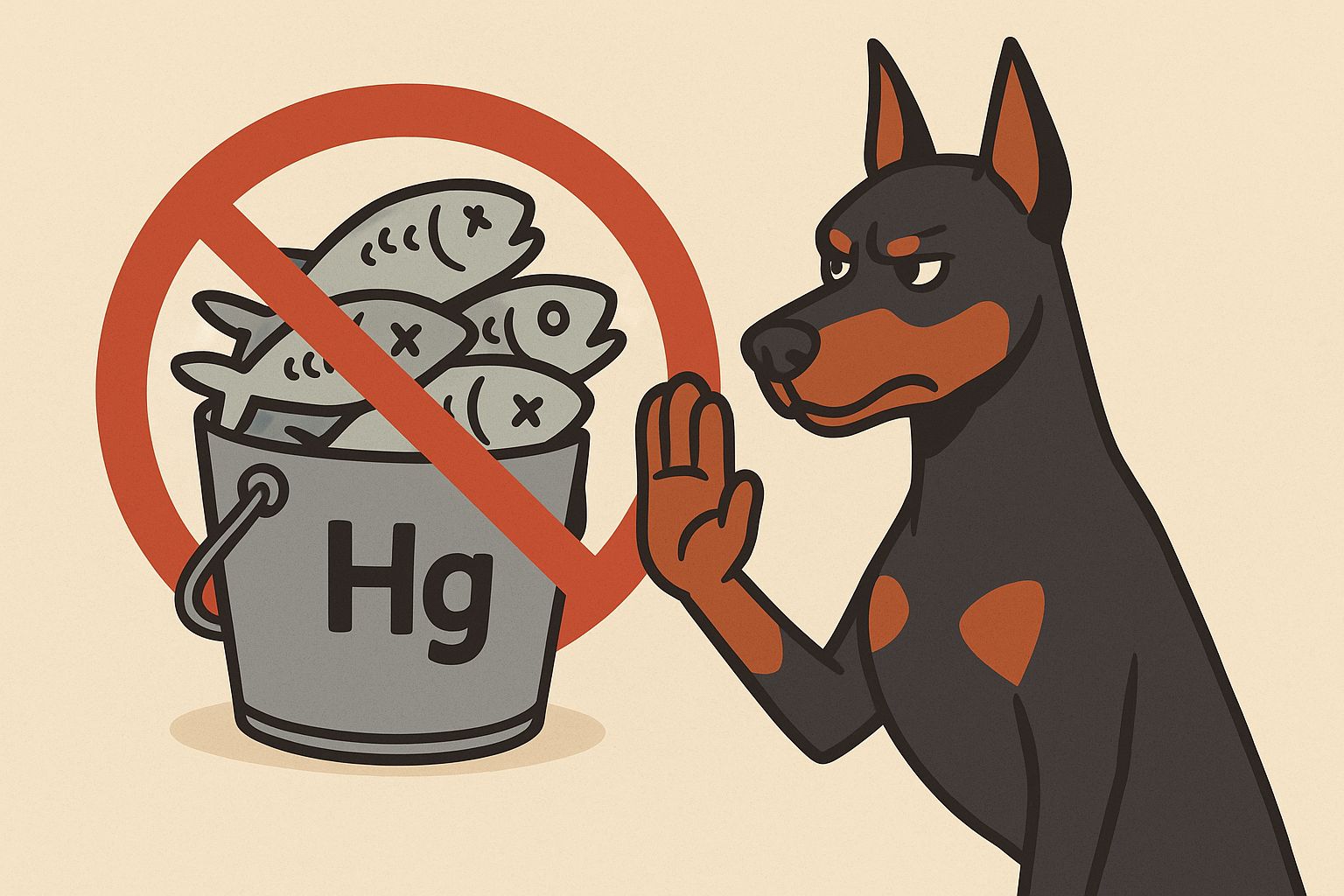
Mercury Poisoning in Dogs: When Too Much Fish Becomes Toxic
Learn More: Mercury Poisoning in Dogs: When Too Much Fish Becomes ToxicFish-based diets have become extremely popular in the dog world. From kibble formulas labeled “salmon & sweet potato” to raw feeders relying on sardines or mackerel, and owners adding daily fish oil capsules, fish is now a go-to protein source for many dogs. And with good reason:
-
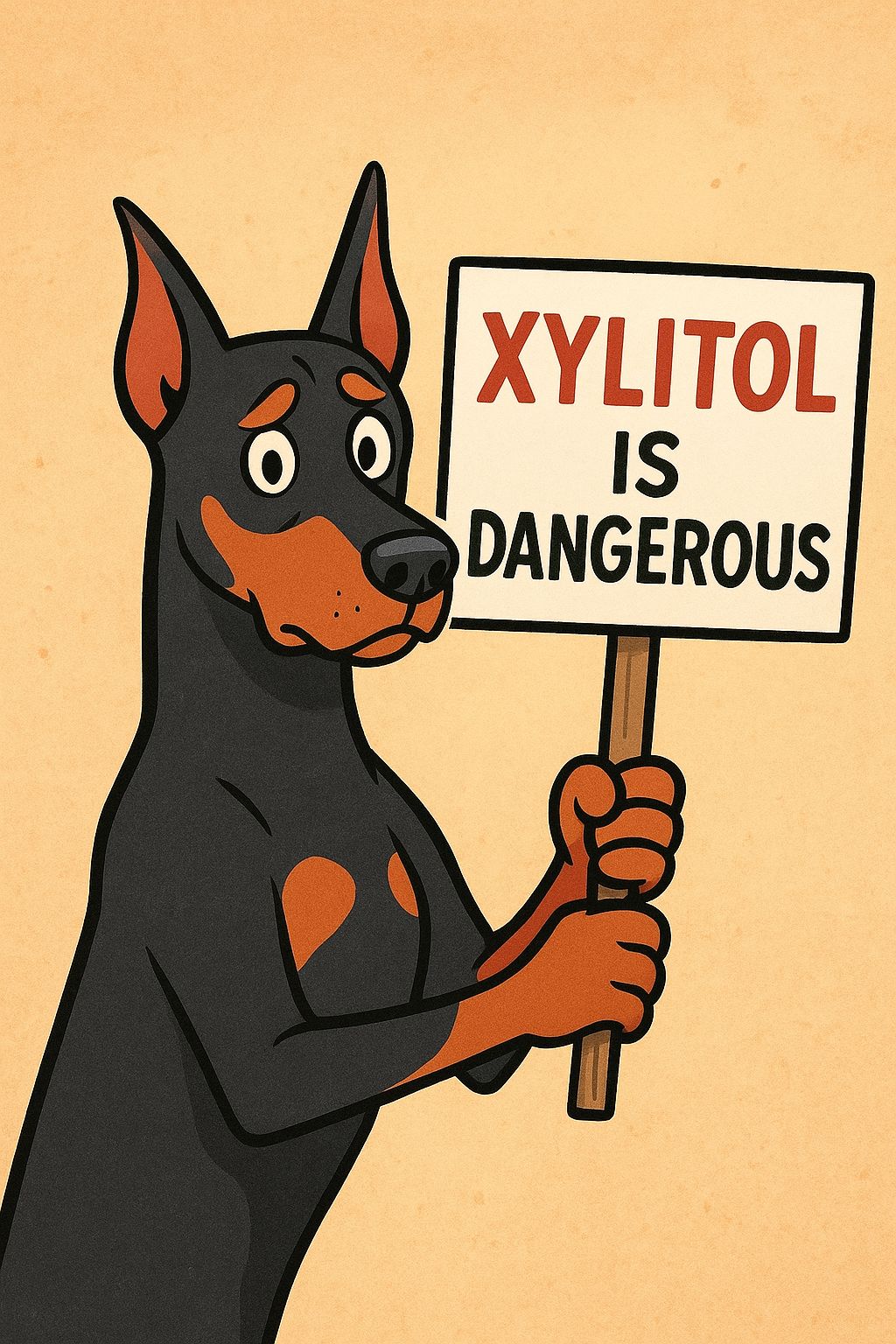
Xylitol Poisoning in Dogs: What Every Owner Must Know
Learn More: Xylitol Poisoning in Dogs: What Every Owner Must KnowWhen it comes to keeping our dogs safe, most of us think about avoiding obvious hazards: chocolate, grapes, raisins, onions, macadamia nuts. These foods have been on “the toxic list” for years. But one danger still slips under the radar for many dog owners — xylitol.
-
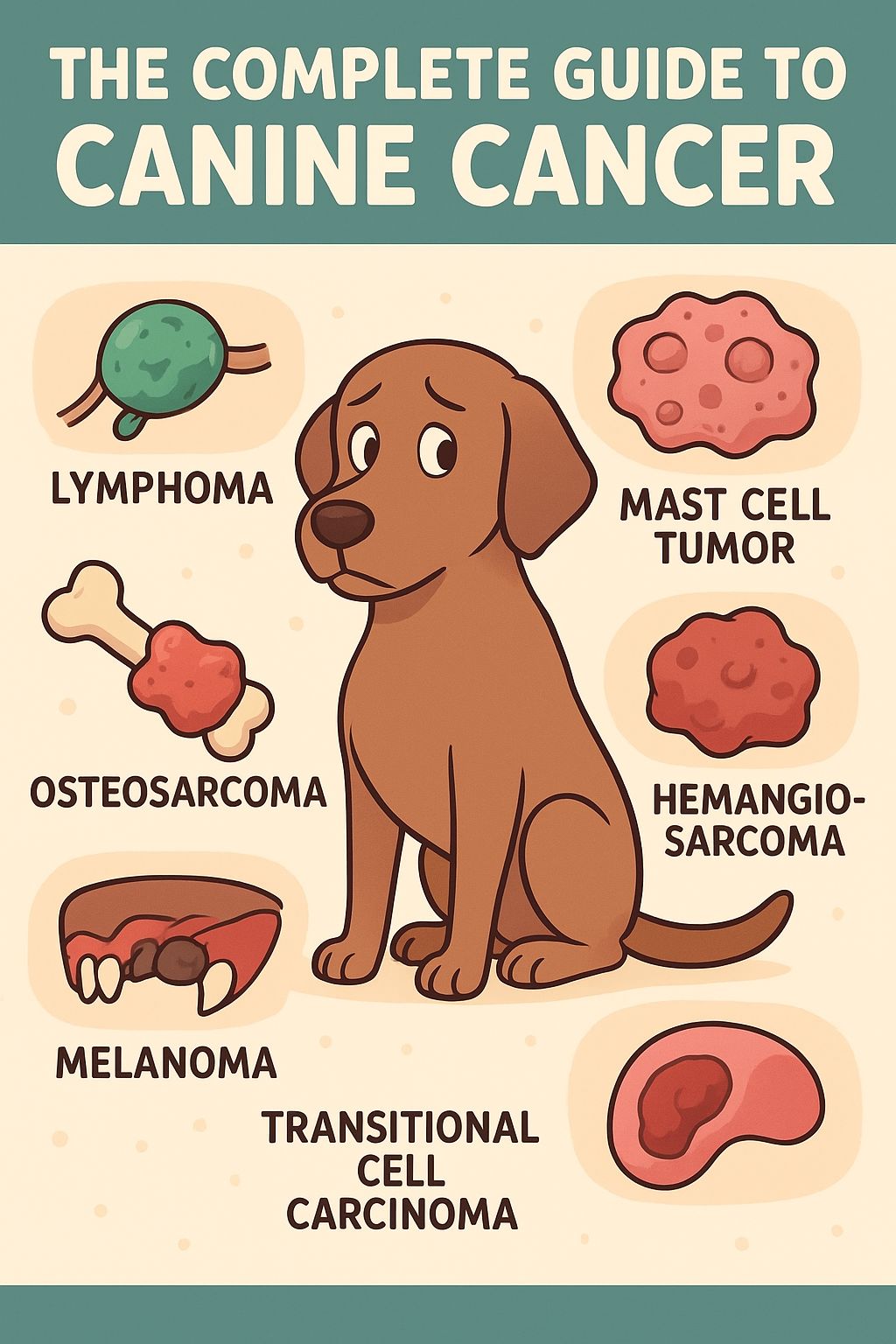
All type of Canine Cancer: Types, Prognosis, Treatment, and Prevention
Learn More: All type of Canine Cancer: Types, Prognosis, Treatment, and PreventionCanine cancer is one of the leading causes of death in dogs, particularly as veterinary medicine has improved and our pets live longer. While the word itself can strike fear into any owner’s heart, understanding what types of cancer exist, how they behave, how they’re treated, and what the outlook is can empower you to act quickly and make informed decisions for your dog.
-
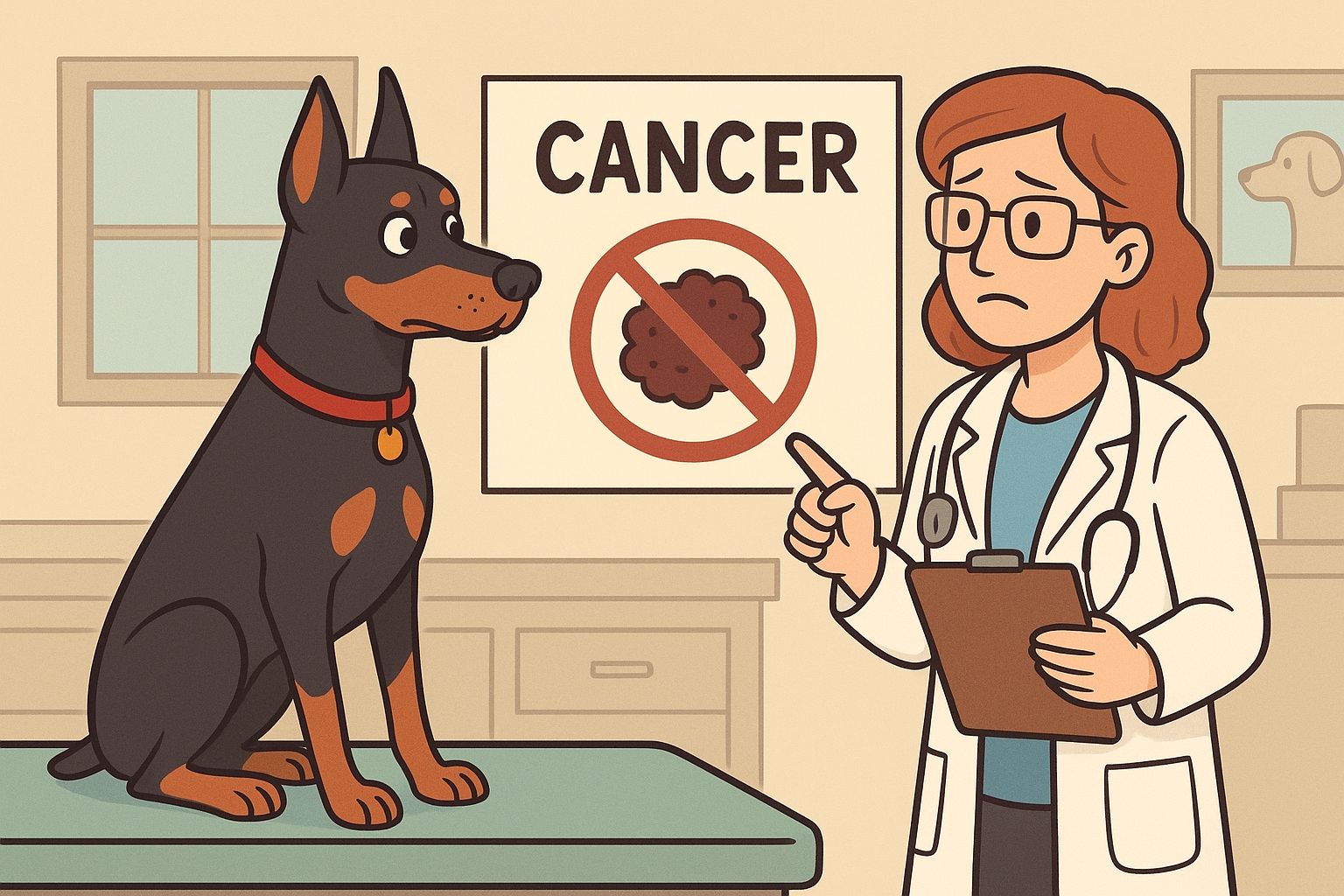
Cancer in Dogs: Understanding, Detecting, and Supporting Your Pet
Learn More: Cancer in Dogs: Understanding, Detecting, and Supporting Your PetCancer is one of the most feared diagnoses a dog owner can receive. Sadly, it’s also one of the most common causes of death in dogs today. But “cancer” is not a single disease — it’s a broad term that covers many different conditions, each with its own causes, treatments, and outcomes.
-
Skin Sensitivity in Dogs: Causes, Treatments, and Breed Considerations
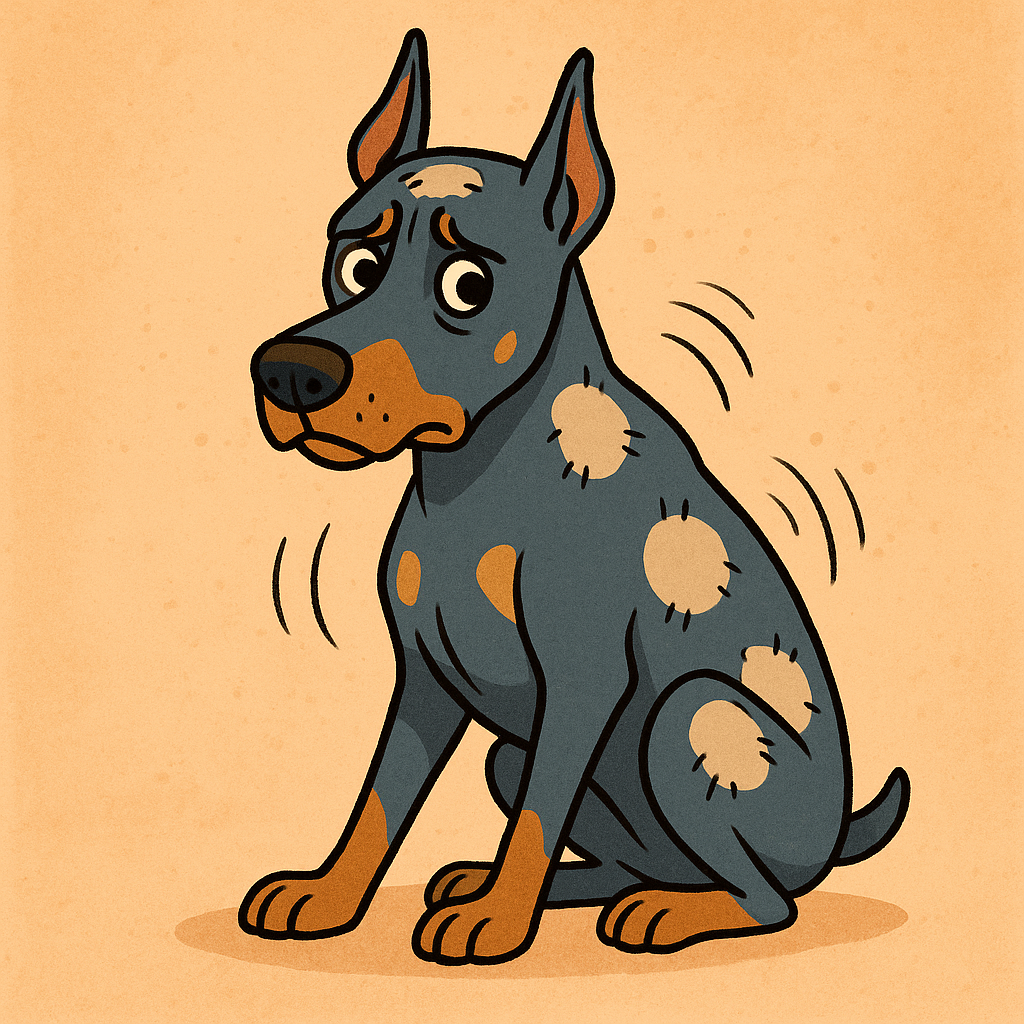
Learn More: Skin Sensitivity in Dogs: Causes, Treatments, and Breed ConsiderationsDogs, like humans, can suffer from varying degrees of skin sensitivity. While some dogs can roll in the grass without a care in the world, others may develop rashes, itching, or irritation from environmental triggers, diet, or genetic predisposition. Skin health plays a crucial role in a dog’s overall well-being, so understanding the causes and solutions is essential for any responsible dog owner.
-
A Complete Guide to the Best Dog Supplements
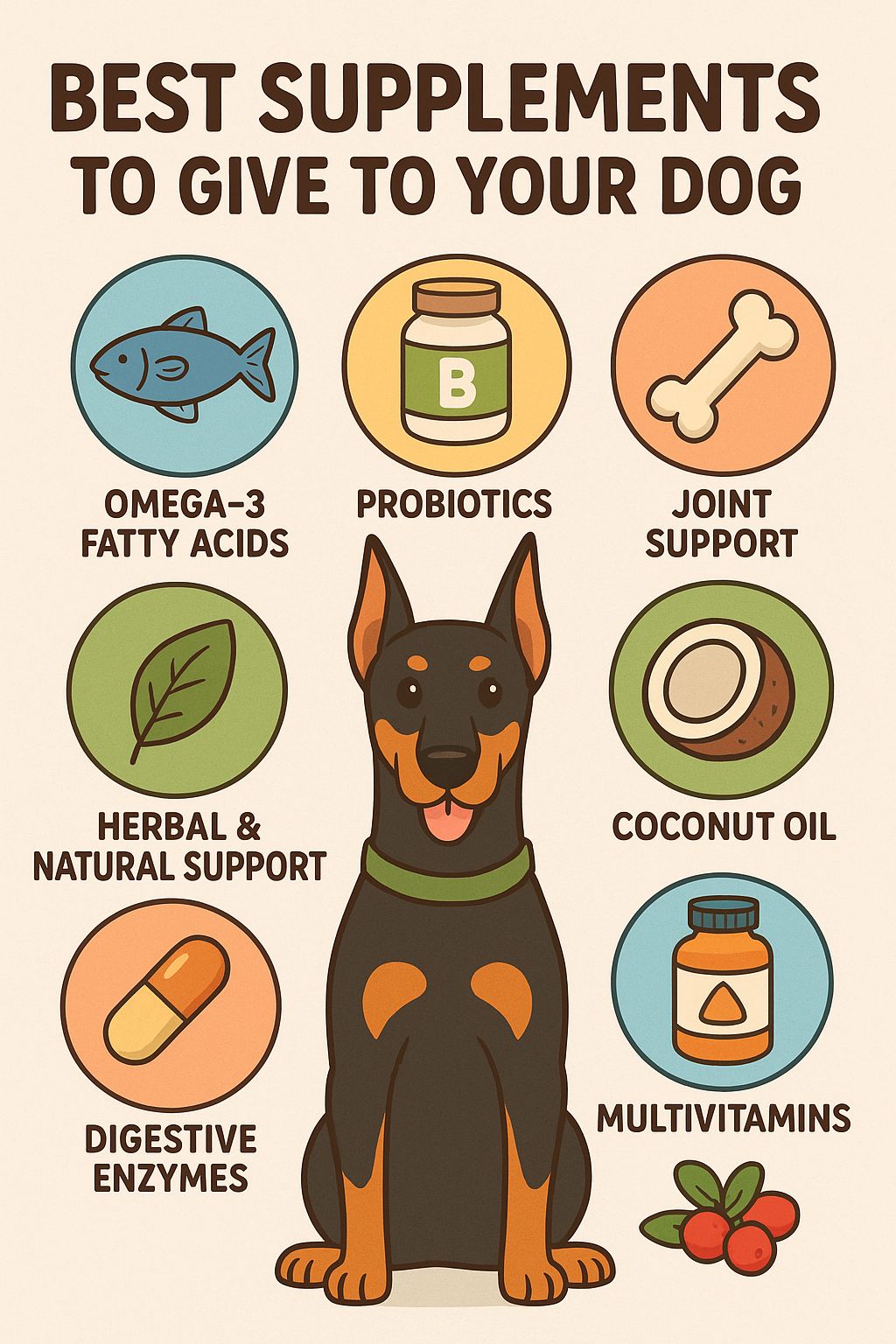
Learn More: A Complete Guide to the Best Dog SupplementsWhen it comes to canine health, good nutrition is the foundation. A balanced, high-quality diet will cover most of your dog’s needs — but there are times when the right supplements can make a huge difference. Whether it’s supporting joint health, boosting the immune system, enhancing coat condition, or aiding digestion, targeted supplementation can help keep your dog thriving.
-
Uterine Problems in Dogs – What Every Dog Owner and Breeder Should Know
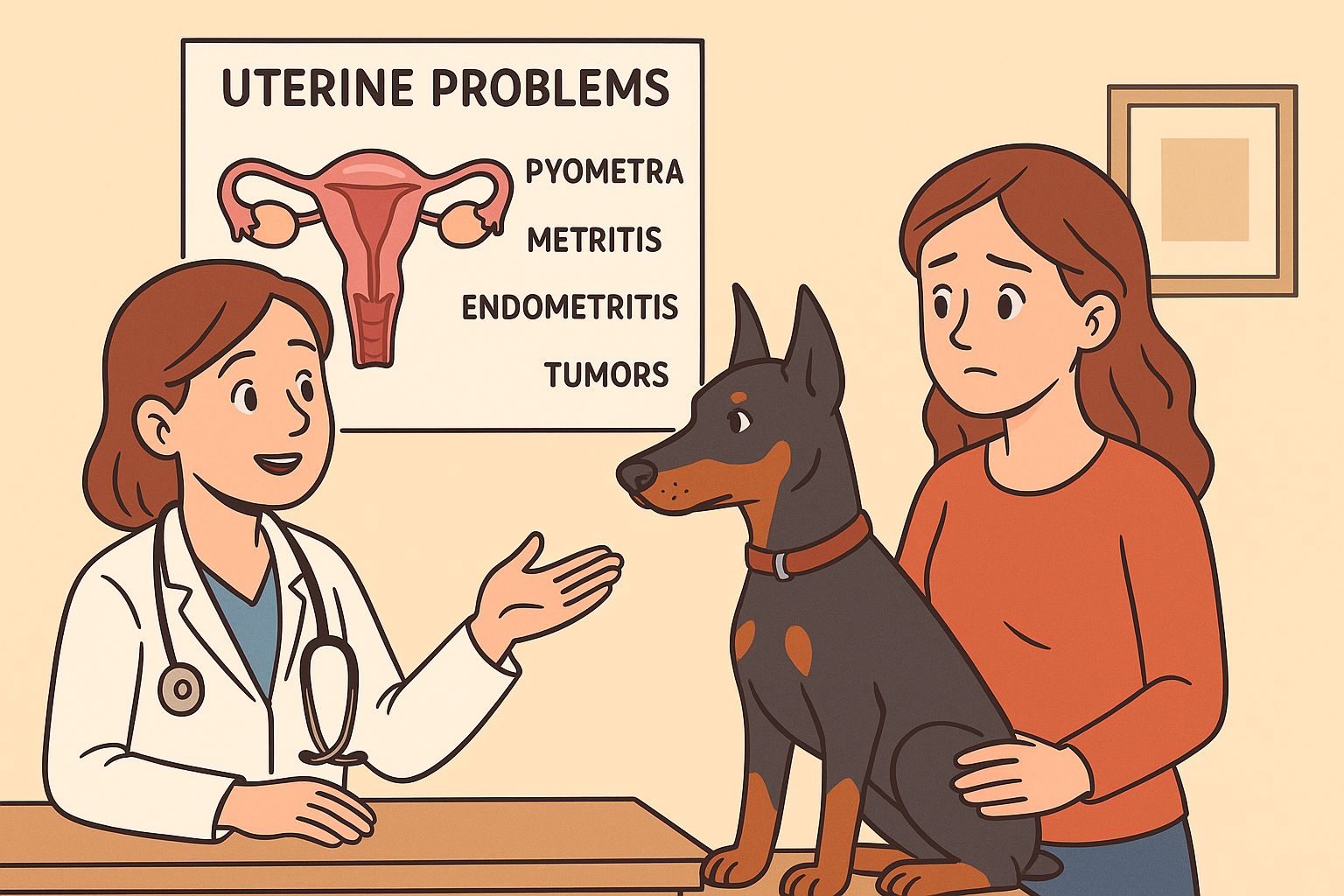
Learn More: Uterine Problems in Dogs – What Every Dog Owner and Breeder Should KnowThe uterus may not be something we think about every day, but for female dogs (especially breeding dams) its health is absolutely critical. A healthy uterus is what allows life to begin, grow, and be born safely. When things go wrong, they can go wrong very quickly.
Some uterine problems in dogs are life-threatening emergencies that require immediate veterinary attention. Others develop slowly and silently, only showing symptoms when damage is already done. -
Understanding COI in Dogs – Why the Coefficient of Inbreeding Matters More Than You Think
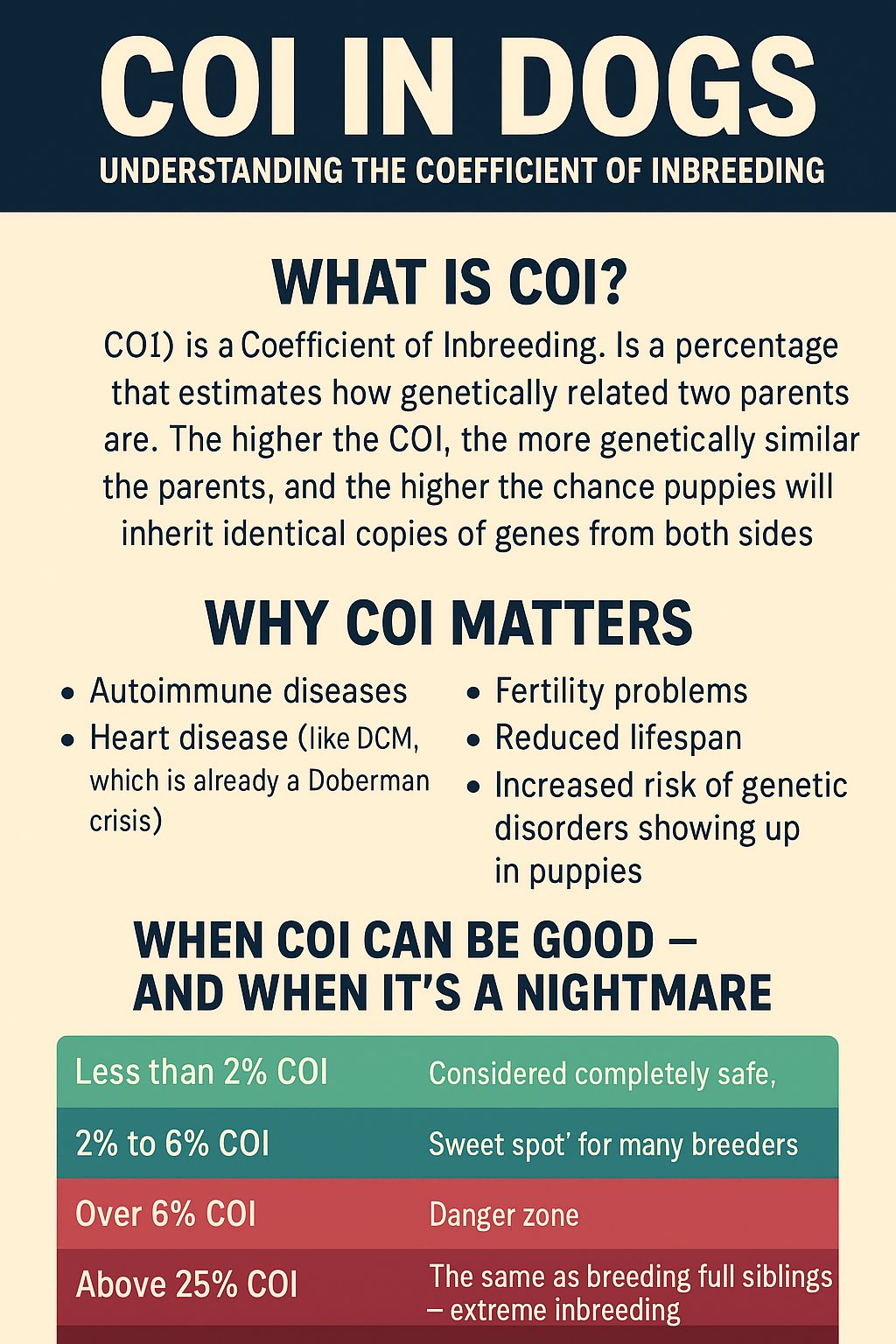
Learn More: Understanding COI in Dogs – Why the Coefficient of Inbreeding Matters More Than You ThinkWhen it comes to preserving the health, vitality, and future of any dog breed, the Coefficient of Inbreeding (COI) is one of the most important – and most overlooked – tools a breeder and owner can understand. For the Doberman breed, this number is not just a statistic; it’s a survival alarm.
-
Dog DNA: The Genetic Blueprint of Life — and Why It Matters for You
Learn More: Dog DNA: The Genetic Blueprint of Life — and Why It Matters for YouEvery living creature carries within its cells a microscopic instruction manual — a complex code that determines everything from the shape of its nose to how its heart beats. This blueprint is called DNA (Deoxyribonucleic Acid). Whether you’re looking at a human, a cat, a tulip, or a Doberman, DNA is what makes each individual unique, while still keeping it part of its species.
-
Eclampsia in Dogs: A Complete Guide for Breeders and Owners
Learn More: Eclampsia in Dogs: A Complete Guide for Breeders and OwnersEclampsia in dogs, sometimes called puerperal hypocalcemia, lactation tetany, or milk fever, is one of the most urgent and frightening postpartum emergencies a breeder or dog owner can face. It occurs most often in small and medium-sized breeds, but any breed — including Dobermans — can develop it if conditions are right.

+1 514 793 5658