
Mercury Poisoning in Dogs: When Too Much Fish Becomes Toxic
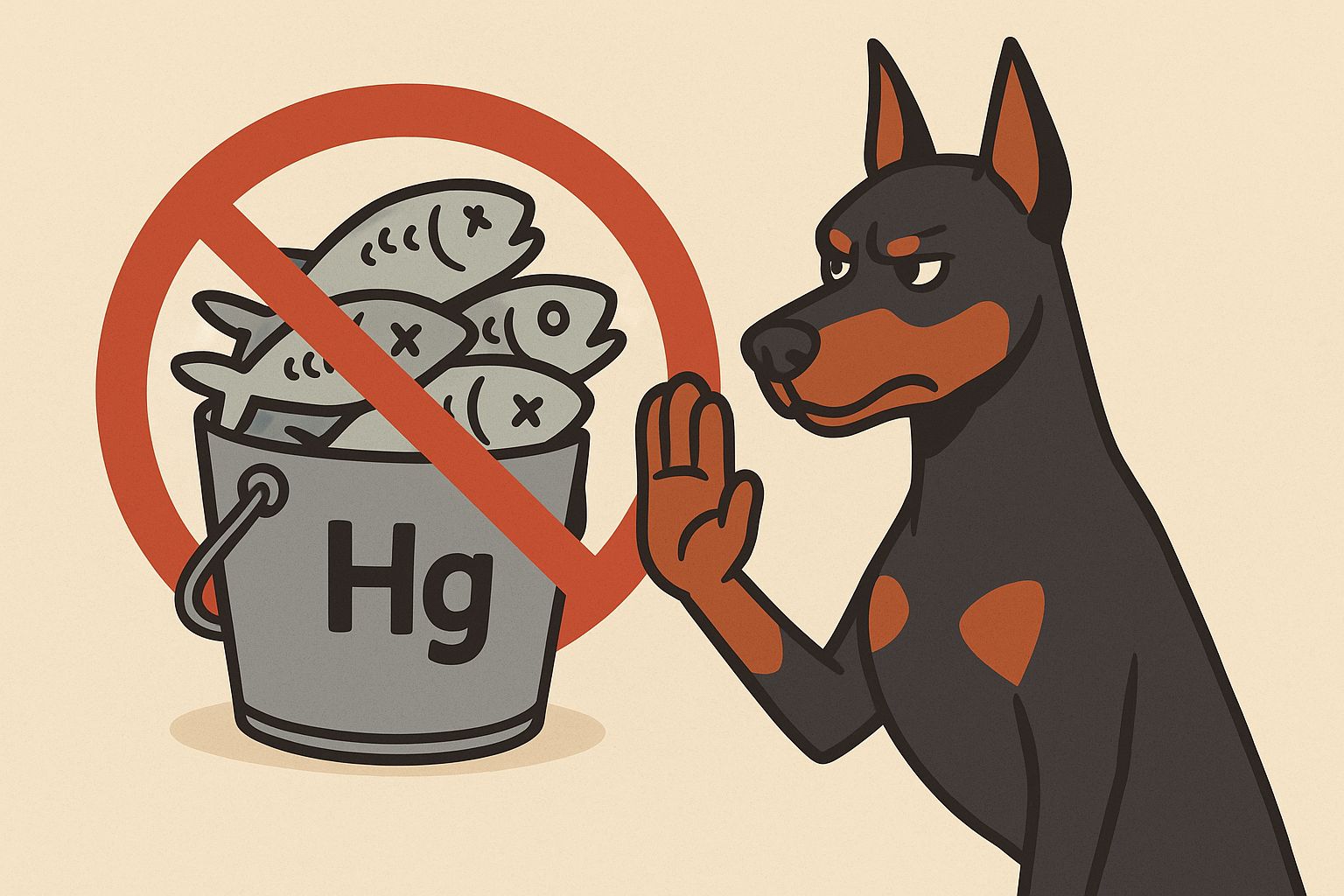
Fish-based diets have become extremely popular in the dog world. From kibble formulas labeled “salmon & sweet potato” to raw feeders relying on sardines or mackerel, and owners adding daily fish oil capsules, fish is now a go-to protein source for many dogs. And with good reason:
- Omega-3 fatty acids (EPA and DHA) reduce inflammation, improve skin health, support the brain, and protect the heart.
- Fish is often recommended for dogs with allergies or sensitive stomachs.
- Many fish proteins are lean and highly digestible.
But hidden behind all those benefits is a potential danger: mercury poisoning.
Mercury, a toxic heavy metal, accumulates in fish (especially large, long-lived species) and when dogs consume fish-based food every single day, mercury can quietly build up inside their bodies. Because the symptoms are vague and mimic many other diseases, mercury poisoning in dogs is notoriously difficult to diagnose.
Table of Contents
What Is Mercury and Why Is It Dangerous?
Mercury is a naturally occurring heavy metal found in soil, rocks, and water. Unfortunately, modern industrial activity—especially coal burning—has dramatically increased mercury levels in the environment. When mercury enters oceans and lakes, microorganisms convert it into methylmercury, the most toxic form.
Fish absorb methylmercury through their food and the water around them. Over time, mercury concentrates in their tissues. This process is called bioaccumulation.
- Small fish (like sardines or anchovies) have little mercury.
- Bigger predatory fish (like tuna, swordfish, and shark) eat smaller fish and accumulate more mercury.
- The longest-living fish are the most contaminated.
When a dog eats fish-heavy food or fish oil supplements regularly, they consume small amounts of mercury each day. The problem is: the body cannot easily get rid of mercury. Instead, it builds up slowly in organs and tissues until it reaches toxic levels.
Why Mercury Poisoning in Dogs Is So Hard to Diagnose
Mercury poisoning is sometimes called a “hidden toxin” because it does not announce itself with one obvious sign. Instead, it develops gradually, causing vague health problems that mimic other conditions.
Veterinarians may first suspect:
- Epilepsy, if the dog is having tremors or seizures
- Pancreatitis, if the dog vomits and has diarrhea
- Old age, if the dog is weak, uncoordinated, or confused
- Kidney disease, if bloodwork shows increased creatinine or BUN
- Liver disease, if enzymes are elevated
Unless mercury is considered, the link to diet can easily be missed.
This is where you, as the owner, play a crucial role. If your dog is on a long-term fish-based food, or if you’ve been giving fish oil daily, tell your vet immediately. Sometimes that detail is the missing piece that makes everything click.
Symptoms of Mercury Poisoning in Dogs
Mercury affects multiple organ systems, especially the nervous system, digestive system, and kidneys. The symptoms may start mild and progress over time.
Neurological Symptoms
- Loss of coordination (ataxia)
- Tremors or shaking
- Weakness in the legs
- Confusion or disorientation
- Sudden changes in behavior: anxiety, irritability, or aggression
- Seizure-like activity in severe cases
Gastrointestinal Symptoms
- Loss of appetite (sometimes mistaken for pickiness)
- Vomiting
- Diarrhea
- Excessive drooling
- Difficulty swallowing
General Symptoms
- Lethargy and fatigue
- Reluctance to play or walk
- Weight loss despite eating
- Excessive thirst and urination (if kidneys are stressed)
- Jaundice (yellowing of eyes or gums if liver is affected)
Because these signs can point to so many conditions, mercury poisoning often goes undiagnosed until it’s advanced.
How Mercury Damages the Body
Mercury isn’t just toxic in general, it has very specific effects on the body.
Nervous System
Mercury binds to proteins in the brain and nerves, disrupting their function. This is why neurological signs like tremors, confusion, and seizures are so common. Chronic exposure can even cause permanent damage.
Kidneys
The kidneys are responsible for filtering toxins. Mercury damages kidney tissue, leading to increased thirst, urination, and eventually kidney failure if not addressed.
Liver
The liver also processes toxins, and mercury can interfere with normal liver enzymes. Elevated ALT or AST on bloodwork may be an early warning.
Immune System
Mercury exposure can weaken the immune system, making dogs more prone to infections or chronic inflammation.
Which Fish Are Safe vs. High Risk?
Not all fish carry the same mercury load. Choosing wisely can make all the difference.
High-Mercury Fish (Avoid or Feed Rarely)
- Tuna (especially albacore/white tuna)
- King mackerel
- Swordfish
- Shark
- Tilefish
Moderate-Mercury Fish (Occasional Only)
- Halibut
- Snapper
- Grouper
- Sea bass
Low-Mercury Fish (Best Choices for Dogs)
- Salmon (wild-caught, not farmed if possible)
- Sardines
- Anchovies
- Trout
- Whitefish
- Herring
Pro tip: Sardines and anchovies are some of the safest, healthiest fish for dogs. They’re small, short-lived, naturally low in mercury, and extremely rich in omega-3 fatty acids.
The Role of Fish Oil Supplements
Fish oil is one of the most popular supplements for dogs. Unfortunately, not all are created equal.
Cheap, poorly purified oils may contain traces of heavy metals, including mercury. Dogs given these daily for years may develop chronic exposure.
What to Look For in a Safe Supplement
- Molecularly distilled: This process removes heavy metals.
- Third-party tested: Look for certification that the oil is tested for contaminants.
- Alternative sources: Krill oil or algal oil (made from algae) are naturally low in mercury.
And remember—more is not always better. Too much fish oil can upset digestion, interfere with vitamin balance, and overload your dog with fats. Always follow dosage guidelines.
Safe Feeding Guidelines
So how can you keep fish in your dog’s diet safely?
- Rotate proteins. Don’t rely on fish alone. Rotate with chicken, beef, turkey, lamb, duck, or rabbit.
- Limit fish meals. Once or twice a week is plenty for most dogs.
- Choose low-mercury fish. Salmon, sardines, and trout are excellent options.
- Use purified supplements. Always choose molecularly distilled, tested fish oil.
- Talk to your vet. Every dog is different. A large, active Doberman will have different needs than a small, older dog.
What To Do If You Suspect Mercury Poisoning
If your dog shows symptoms that could point to mercury toxicity—such as tremors, loss of coordination, gastrointestinal upset, or unusual behavior—it’s important to act quickly. Here’s what you should do:
1. See Your Veterinarian Immediately
Time is critical. Chronic mercury poisoning builds slowly, but once symptoms show, it can progress quickly. When you go to the vet, bring as much information as possible:
- Complete diet history: Write down everything your dog eats, including kibble, canned food, raw meals, treats, and supplements. Don’t just say “fish food”—list the brand and formula.
- Frequency and duration: How often do you feed fish? For how many months or years has your dog been eating it?
- Supplements: Note whether you’re giving fish oil, cod liver oil, or other omega-3 products (include dosage).
Many owners underestimate how valuable this record is. For your vet, it can mean the difference between chasing multiple diagnoses and recognizing mercury toxicity early.
2. Ask About Testing for Mercury
Your vet may not immediately suggest heavy metal testing unless you bring it up. Mercury is not part of standard bloodwork. Here are the most common options:
- Blood test: Measures mercury currently circulating in the body. Best for detecting recent or ongoing exposure.
- Urine test: Shows how much mercury the body is trying to excrete. Often used alongside blood tests.
- Hair analysis: Reflects long-term exposure over weeks to months. Not all vets offer this, but some specialty labs do.
- Organ function tests: Even if mercury levels aren’t tested right away, blood chemistry can show stress on the kidneys or liver, which are often the first organs affected.
If your vet does not have in-house capability for mercury testing, they may need to send samples to a specialized laboratory.
3. Remove the Source Immediately
If mercury poisoning is suspected—or even just possible—the safest first step is to stop feeding high-mercury fish or contaminated supplements.
- Switch proteins: Replace fish-based food with chicken, beef, turkey, lamb, or rabbit.
- Eliminate questionable supplements: Stop any fish oils unless you know they are purified and third-party tested.
- Choose low-mercury fish if continuing: If your dog benefits from fish, stick to salmon, sardines, or anchovies—but only occasionally, not daily.
Even if testing isn’t done right away, removing the potential source can prevent the problem from worsening.
4. Support Detox and Recovery
Once the source is gone, the goal is to help the body recover. This depends on the severity of the poisoning.
Chelation Therapy (for severe cases)
- Chelation involves giving medications that bind to mercury in the bloodstream and help remove it through urine.
- Drugs like DMSA (dimercaptosuccinic acid) or DMPS (dimercaptopropane sulfonate) are sometimes used.
- This is only done under veterinary supervision because it can strain the kidneys and cause side effects.
Organ Support
- Kidney support: Extra fluids (IV or subcutaneous) to help flush toxins, renal diets if needed.
- Liver support: Supplements like SAMe (S-adenosylmethionine) or milk thistle (silymarin) may be recommended to support liver regeneration.
- Digestive support: Probiotics and easily digestible food can help the gut recover.
Antioxidants and Nutrient Support
Mercury causes oxidative stress, so antioxidants can help limit cell damage:
- Vitamin E – protects cell membranes.
- Vitamin C – supports immune system and detox pathways.
- Selenium – binds mercury and helps reduce its toxicity. Some high-quality dog foods already include selenium.
- Omega-3 from non-fish sources – krill oil or algal oil can provide the benefits of omega-3s without adding more mercury.
Monitoring Recovery
- Your vet will likely recommend follow-up bloodwork every few weeks to check organ function.
- Recovery may take months in chronic cases, but many dogs improve significantly once the source of mercury is removed.
5. Prevention for the Future
Once your dog is stable, focus on preventing mercury overload from happening again:
- Rotate protein sources—don’t rely on fish daily.
- Use only purified, third-party tested fish oil supplements.
- Stick with low-mercury fish like salmon and sardines.
- Keep a diet log for your dog so you always know what they are eating.
Important Note: Never attempt to treat mercury poisoning in dogs at home with human chelation supplements or detox kits. These can be dangerous for dogs and may make the problem worse. Always work with a veterinarian.
Final Thoughts
Fish is an amazing food for dogs, but it’s not meant to be the only food. Feeding fish day in and day out, or giving too much of the wrong supplement, can open the door to a very real and very dangerous problem: mercury poisoning in dogs.
The key is balance. Rotate proteins, choose low-mercury fish, and talk openly with your veterinarian about what your dog eats. If you know the signs of mercury overload, you can act early, before the damage becomes serious.
At Wonder Doberman, we believe in empowering owners with the knowledge to make smart choices. Fish can absolutely be part of your dog’s healthy diet, but only when fed in moderation, with variety, and with awareness of the hidden risks.
Also check our post dedicated to the best supplements for your dog in general here