New to Dobermans or researching the breed? These core guides cover the most important topics before choosing, raising, training, or living with a Doberman.
-
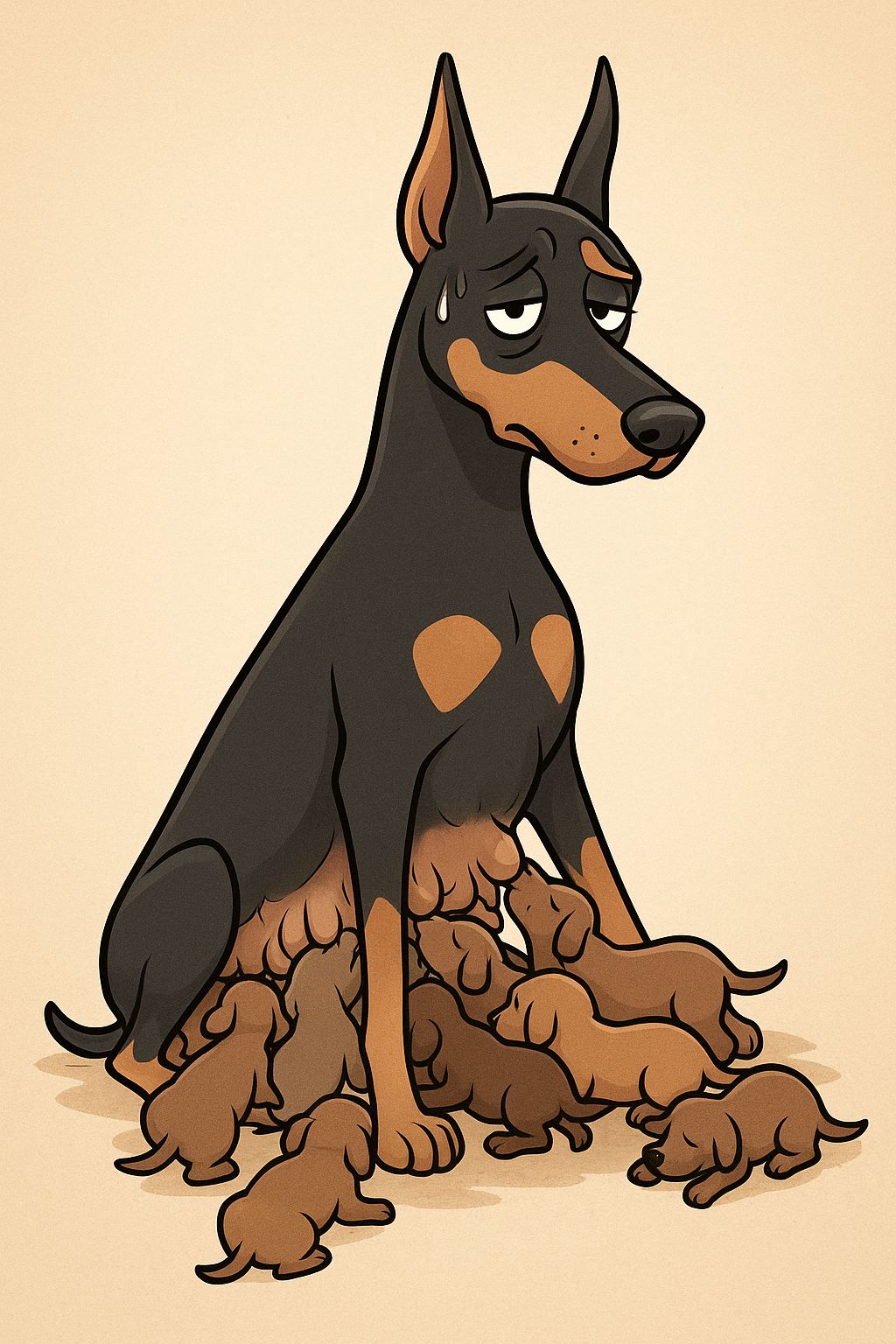
Eclampsia in Dogs: A Complete Guide for Breeders and Owners
Learn More: Eclampsia in Dogs: A Complete Guide for Breeders and OwnersEclampsia in dogs, sometimes called puerperal hypocalcemia, lactation tetany, or milk fever, is one of the most urgent and frightening postpartum emergencies a breeder or dog owner can face. It occurs most often in small and medium-sized breeds, but any breed — including Dobermans — can develop it if conditions are right.
-
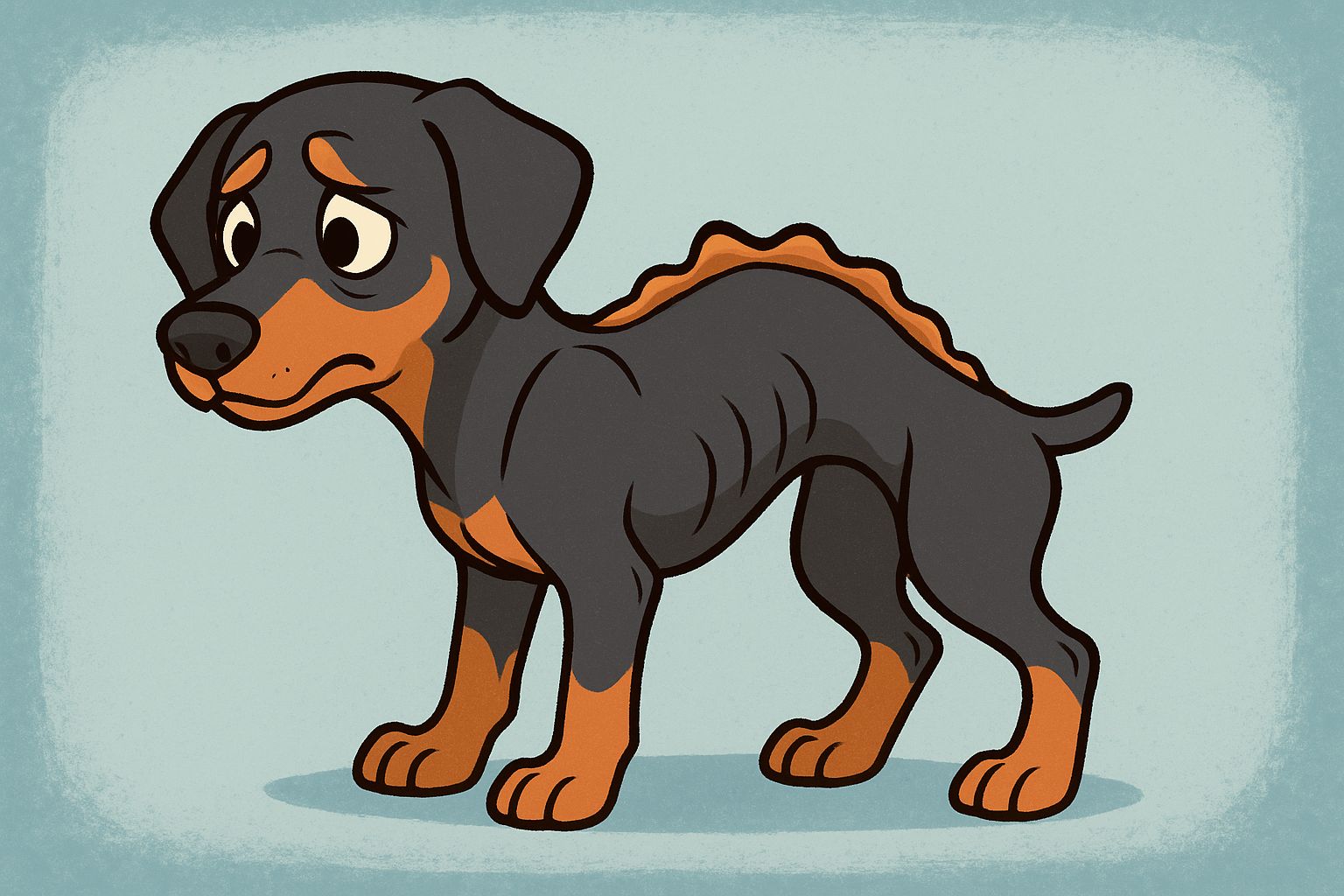
Understanding Spinal Defects in Dogs: Causes, Prevention, and Care
Learn More: Understanding Spinal Defects in Dogs: Causes, Prevention, and CareThe spine is the backbone (literally) of a dog’s health. It’s the structural column that allows movement, protects the spinal cord, and supports the body’s posture and balance. Unfortunately, puppies can sometimes be born with congenital spinal defects or develop spinal issues early in life.
-
Cleft Palate in Puppies – Causes, Prevention, Diagnosis, and Life Outcomes
Learn More: Cleft Palate in Puppies – Causes, Prevention, Diagnosis, and Life OutcomesCleft palate in puppies is one of those conditions that sounds small — just a gap in the roof of the mouth — but in reality, it can mean the difference between life and death in the first days of life. For a newborn puppy who should be nursing peacefully from its mother, a cleft palate makes feeding dangerous, sometimes impossible. Without intervention, most affected puppies die within days.
-
Preparing for a Successful Puppy Whelping: Everything You Need to Know and Have Ready
Learn More: Preparing for a Successful Puppy Whelping: Everything You Need to Know and Have ReadyBringing a litter of puppies into the world is both an exciting and demanding journey. For responsible breeders, it’s not just about getting puppies on the ground—it’s about doing everything in your power to ensure the birth is safe, healthy, and smooth for both the dam and her litter. Whether it’s your first litter or your fiftieth, proper preparation is essential to success.
-
A Complete Guide to Canine Pregnancy: From Conception to Whelping with Confidence and Care
Learn More: A Complete Guide to Canine Pregnancy: From Conception to Whelping with Confidence and CareAt Wonder Doberman, we believe that canine pregnancy should never be left to chance. It’s not just about producing puppies, it’s about nurturing life, ensuring health, and doing everything in our power to make the process as smooth, safe, and successful as possible. A well-managed pregnancy leads to healthier puppies, a happier mother, and fewer veterinary emergencies.
-
The Many Benefits of Coconut Oil For Dogs: Nature’s Miracle Ingredient and Why We Swear By It at Wonder Doberman
Learn More: The Many Benefits of Coconut Oil For Dogs: Nature’s Miracle Ingredient and Why We Swear By It at Wonder DobermanIn a world flooded with synthetic medications, chemical preventives, and processed pet foods, many dog owners are turning back to nature to help support their dogs’ health. One natural remedy has steadily risen in popularity—not just among holistic veterinarians, but among conscientious dog lovers who want the best for their companions. That remedy is coconut oil.
-
Obesity in Dogs: Why Fit Should Be the New Normal
Learn More: Obesity in Dogs: Why Fit Should Be the New NormalAt Wonder Doberman, we don’t shy away from difficult conversations when it comes to the health and well-being of our dogs. One topic that tends to ruffle feathers, and yet urgently needs to be addressed, is obesity in dogs.
-
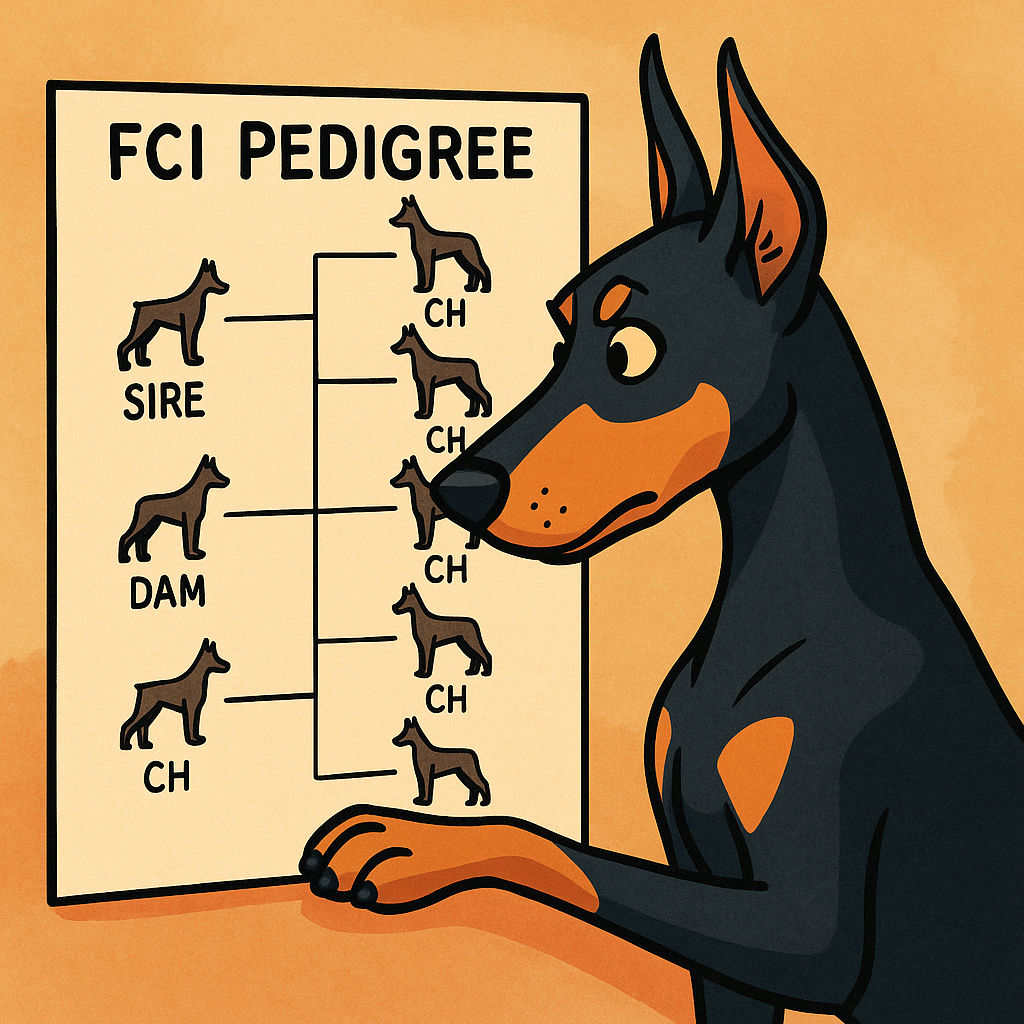
Dog’s Pedigree Explained: Why It Matters More Than You Think
Learn More: Dog’s Pedigree Explained: Why It Matters More Than You ThinkWhen looking for a new dog, especially a purebred Doberman, it’s common to focus on appearance, titles, or personality of the parents. But there’s something even more important that often goes overlooked: the pedigree.
-
Dog Noise Phobias and how to deal with Thunder & Fireworks
Learn More: Dog Noise Phobias and how to deal with Thunder & FireworksFor many dog owners, summer holidays and thunderstorm season bring dread not because of the weather or the celebrations, but because of how their dog reacts. Thunderstorms and fireworks are two of the most common dog noise phobias. What seems like harmless noise to us is an overwhelming, often traumatic experience for many dogs.
-
Beat the Heat: Cool Summer Treats for Dogs
Learn More: Beat the Heat: Cool Summer Treats for DogsSummer is the perfect time for outdoor fun with your dog, whether it’s a hike in the woods, a dip in the lake, or a lazy day in the backyard. But with the warmer temperatures comes the risk of overheating, dehydration, and general discomfort for our furry companions. One easy and fun way to help your dog stay cool is by offering them refreshing summer treats.