
Paddle Boarding with Dogs: The Ultimate Guide to Prepare for the Season
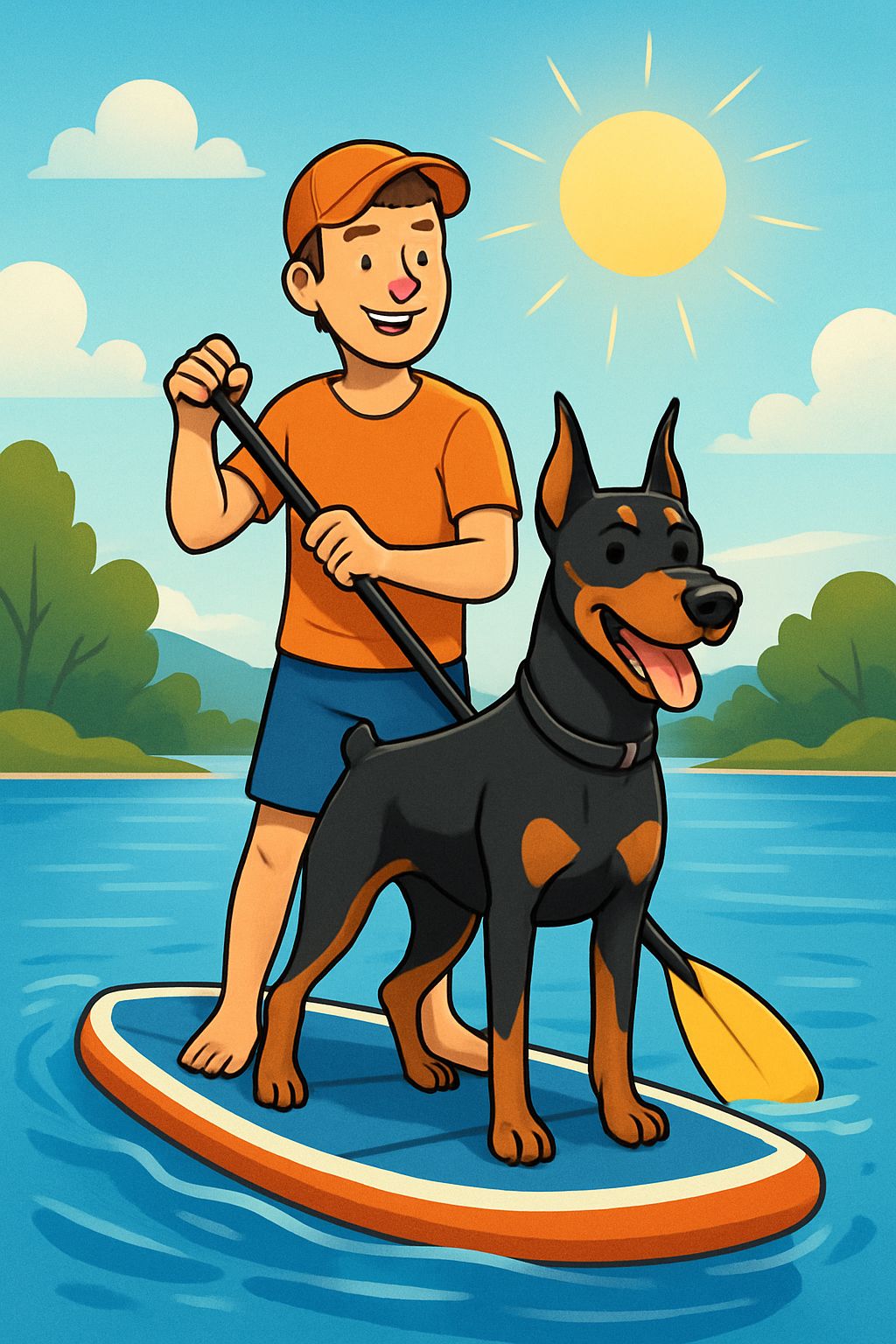
As the ice melts and spring blossoms into summer, many dog lovers are dusting off their favorite warm-weather gear. And one activity that’s rapidly gaining popularity across the dog community is paddle boarding with your pup. It’s serene, it’s bonding, it’s active – but best of all, it’s fun for both you and your dog.
Paddle boarding with dogs can be an incredible experience, even if your dog isn’t a natural water lover. With the right preparation, fitness, and safety measures, your dog can become your confident co-captain out on the water.
Now is the perfect time to start preparing, even if it still feels a bit early.
Let’s dive in!
Table of Contents
Why Dogs and Paddle Boards Go So Well Together
Paddle boarding offers an ideal balance between adventure and calm for dogs. Unlike fast-moving sports, it’s slow-paced and peaceful, making it accessible for many breeds and personalities. Dogs get to explore nature, bond with their humans, and challenge their senses, all while soaking up the sun.
Benefits of Paddle Boarding for Your Dog
- Mental stimulation: New smells, sights, and sounds keep their minds sharp.
- Physical activity: Balancing and shifting weight engages core muscles.
- Confidence building: Mastering a new environment boosts your dog’s bravery.
- Quality bonding: There’s nothing like floating on a calm lake with your best friend.
- Cooling off: On hot days, a quick dip in the water helps your dog regulate their temperature.
The best part? Your dog doesn’t need to be a swimmer or a water fanatic to enjoy paddle boarding. Many dogs love being on the water, even if they don’t enjoy being in it.
Is Paddle Boarding Right for My Dog?
Most dogs can enjoy paddle boarding with proper training and preparation. Still, there are a few considerations:
Good Candidates for Paddle Boarding
- Dogs who are calm or trainable in new environments
- Medium to large breeds with good core stability
- Dogs with some leash manners and impulse control
- Pups who are okay with strange surfaces (like textured boards)
Might Need More Preparation
- High-strung or reactive dogs (they may need extra desensitization)
- Dogs with major balance issues or physical limitations
- Flat-faced breeds or senior dogs: stick to shorter, cooler outings
- Dogs terrified of water (you can still try, but go slow and keep them dry)
If your dog isn’t an obvious candidate, don’t worry, this post is full of tips to ease them in.
Start Now: Pre-Season Paddle Prep in Spring
Even if the lakes and rivers are still chilly, now is the perfect time to start introducing your dog to paddle boarding. The key to success? Build familiarity and stability before adding water.
Step 1: Inflate Your Paddle Board at Home
Set up your paddle board indoors or in your backyard. Let your dog sniff it, walk around it, and explore it at their own pace.
Tip: Don’t rush. Let your dog investigate with their own curiosity. Use praise, food rewards, or toys to encourage interaction.
Step 2: Encourage Your Dog to Get On
Use treats or a favorite toy to lure your dog onto the paddle board. At first, they might only place one paw. That’s okay! Reward each small step.
Practice “climb on” and “climb off” multiple times until they’re confident.
Optional cue: Teach a command like “Board” or “Up” to signal that it’s time to get on the paddle board.
Step 3: Simulate Movement
Once your dog is comfortable sitting or standing on the board, start gently rocking it. Pick up one end, shift it slightly, or move it in a circular motion.
Start slow, and make it fun! Praise and treat generously.
This builds vestibular resilience: training your dog’s sense of balance and confidence in shifting environments.
Balance and Core Fitness for Paddle Boarding with Dogs
Even if your dog isn’t on the water yet, you can strengthen their core and improve balance through canine fitness activities.
1. Use Balance Discs or Inflatable Cushions
Place your dog on a wobble disc or a half-ball cushion. Encourage them to sit, stand, or do “paws up” while maintaining balance.
Start with short intervals (10–30 seconds) and increase as their strength grows.
2. Teach Rear-End Awareness
Exercises like backing up, pivoting with front paws on a perch, or “step over” obstacles help your dog understand and control their body.
3. FitPaws Workouts
If you already do canine fitness, incorporate boards, planks, and low platforms that simulate a paddle board’s surface and motion.
Safety Note: Always supervise, keep sessions short, and use non-slip surfaces.
4. Doggy Yoga or Stretching Routines
Stretching improves flexibility, reduces injury risk, and helps your dog stay limber during paddle boarding. Gentle positions like “bow stretch” and “play bow” are a good place to start.
Essential Gear for Paddle Boarding with Dogs
Before hitting the water, make sure you have the right equipment to keep both you and your dog safe and comfortable.
For Your Dog:
- Dog Life Jacket (PFD): Even if your dog swims well, a life vest adds buoyancy, visibility, and a handy grab handle.
- Non-slip pad for your board: Some boards have textured grip, but you can also add EVA foam or a yoga mat for better traction.
- Sun protection: Dogs with light noses or short coats can get sunburned. Use dog-safe sunscreen or plan shaded breaks.
For You:
- Dry bag for treats, water, poop bags, and towel
- Leash
- Water shoes for traction while launching
- Whistle or phone in case of emergency
Training Your Dog to Stay Calm on the Board
Water adds excitement, so once you move your training to the lake or river, keep sessions short and positive.
First Time in the Water
- Pick a quiet, calm day: no big waves or strong currents
- Launch slowly from a shallow, safe edge
- Let your dog walk into the water if possible (avoid lifting them if it stresses them)
- Stay near the shore at first, and end the session on a good note
Expect your dog to jump off the board at least once. That’s okay. Just bring them back with a calm voice and plenty of encouragement.
Common Challenges and How to Handle Them
My Dog Keeps Jumping Off!
- Lower your expectations and go back to dry land training
- Work on impulse control commands like “wait” and “stay”
- Shorten paddle sessions until your dog builds more focus
My Dog Is Nervous About the Board
- Use high-value treats only near or on the paddle board
- Let them “own” the board at home, make it part of their play area
- Practice with the board in new locations like parks or driveways
My Dog Hates Getting Wet
- Use a towel to dry off quickly after accidental splashes
- Avoid launching or paddling in windy or wavy conditions
- Gradually desensitize with gentle misting or shallow wading
Remember: Your dog doesn’t need to like swimming to enjoy the ride. Some dogs never get in the water and that’s perfectly fine.
DIY Ideas to Practice at Home
Before paddle season kicks off in full force, here are a few creative home activities to help your dog feel more prepared:
1. Paddle Board + Exercise Ball
Place a yoga ball or balance cushion under your paddle board (or a wide plank) to simulate real-life wobble. Always supervise!
2. Make a “Board Obstacle Course”
Combine your paddle board with other fitness props like tunnels, cones, or cavalettis. Teach your dog to jump on and off, go around, or do tricks on the board.
3. “Dock Training” in Your Yard
Create a “launch zone” with towels or platforms to mimic getting on the board from a dock or shore. Use treats to cue calm behavior in this new context.
Advanced Tips: Taking Paddle Boarding to the Next Level
Explore New Places
Once your dog is a pro, explore lakes, gentle rivers, or calm bays together. Choose dog-friendly zones where you can beach easily for breaks.
Combine Hiking, Camping and SUP with dogs
Bring your board along on outdoor adventures. Many inflatable SUPs fold up small and light enough to carry.
Try Doggie Paddle Board Yoga
Yes, it’s a thing! You do yoga on your board, and your dog practices staying calm, focused, and balanced beside you.
Real-Life Story: Our Dobermans and the Paddle Board
At Wonder Doberman, we’re all about finding meaningful and enriching activities for our dogs, even ones that aren’t typical for the breed. While many people assume Dobermans are natural athletes in every arena, the truth is: most of our Dobermans really don’t like water.
That said, paddle boarding with dogs has become a favorite activity, especially on those insanely hot days when even the most water-averse dogs will tolerate a little splash here and there.
One of our Dobermans, Jarvan, is the exception to the rule. He actually enjoys water, and he absolutely loves paddle boarding. He’ll happily hop onto the board, cruise around, and doesn’t mind getting his paws or belly wet in the process. Paddle days with him are easy and joyful, no matter the temperature.
Our other Dobermans, however, tend to be much more selective about their water adventures. They typically only enjoy paddle boarding when it’s the kind of day where the sun is beating down so hard you feel like your skin might melt – that kind of heat. On those scorching summer days, even our most water-wary Dobes are willing to tolerate the occasional splash from a paddle or an accidental tumble into the water (yes, it happens, even to the pros… oops!).
Because of that, we plan our paddle board outings accordingly. We choose hot, sunny days and warm water: lakes instead of rivers, for example. In our experience, that makes all the difference. Jarvan might be happy to paddle even in chillier conditions, but for the rest of the crew, location and weather really matter.
And that’s the beautiful thing about paddle boarding with dogs: you don’t have to force anything. You adjust to your dog’s preferences, make the experience fun, and discover what works best for you, and for them.
Final Words: Start Now, Paddle Later
May is the perfect time to start prepping for paddle board season. Even if the water’s too cold, your dog can begin practicing balance, building confidence, and learning the basics right at home.
Remember:
- Start slow and reward often
- Focus on building trust and stability
- Safety gear is essential, don’t skip the life vest!
- Even water-wary dogs can enjoy paddle boarding (as long as you respect their boundaries)
And above all, make it fun. Paddle boarding with dogs should feel like a vacation, not a chore. With a little preparation, this summer can be the one where you and your dog discover the joy of floating side by side, adventuring together under the sun.
Ready to give it a try? Tag us @WonderDoberman with your first paddle board attempts – we’d love to cheer you on!