
Doberman in Apartment vs House: What You Need to Know
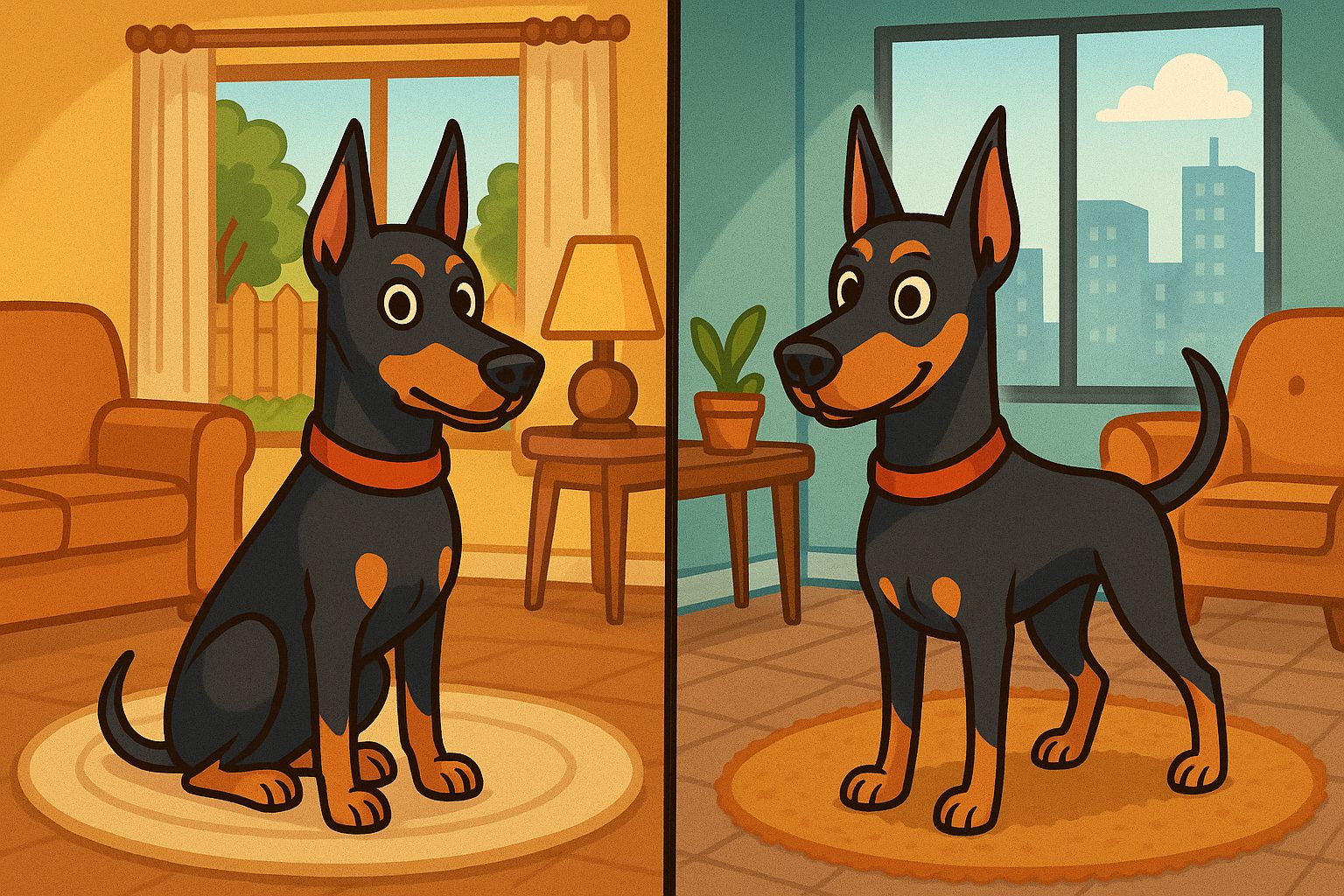
Dobermans are intelligent, energetic, loyal companions that thrive on structure, engagement, and quality bonding time with their humans. But one of the biggest decisions prospective or current Doberman owners face is where and how to live with such a powerful and high-drive breed: house or apartment? Can a Doberman in apartment live a full life?
The truth is, both options can work—but each comes with its own set of challenges and advantages. This comprehensive guide explores the pros and cons of each living situation, with practical tips, behavioral insight, and real solutions to make either setup successful.
Table of Contents
Understanding the Doberman’s Needs
Before comparing homes and apartments, it’s important to understand what makes the Doberman unique:
- High energy level – This is not a lazy couch potato breed. While they enjoy lounging with you, they need daily physical and mental stimulation.
- Intelligence – Dobermans are problem-solvers. Left unstimulated, they can quickly get into mischief.
- Bonding – They’re known as “velcro dogs” for a reason. Dobermans crave closeness and connection.
- Drive – Many Dobermans have strong prey drive and alert instincts. These traits can manifest in barking, pacing, or boundary guarding if not channeled appropriately.
- Separation anxiety – Due to their intense loyalty, many Dobermans develop stress when left alone for extended periods.
Now that you understand the breed, let’s dive into how their needs translate to different living environments.
Living in a House with a Doberman
Pros
1. More Space to Move Freely
Houses usually come with more square footage, allowing your Doberman to stretch, play, and explore more freely indoors. This is particularly beneficial for young or high-drive dogs who need room to “zoom.”
2. Fenced Yards Provide a Safe Outlet
A securely fenced yard is a game-changer. It doesn’t replace walks or mental stimulation, but it gives your Doberman a space to release energy, play fetch, or sunbathe safely.
3. Noise Buffer
You’re less likely to get noise complaints if your Doberman barks at a doorbell or plays roughly. Detached homes offer more forgiveness for vocal dogs.
4. Easier Potty Training
With direct access to outdoor space, house training is often faster and easier. You can bring your pup out multiple times a day without hauling them through elevators or long hallways.
5. Better for Multi-Dog Homes
If you own more than one dog or plan to, a house gives everyone more breathing room.
Cons
1. A Yard Can Lead to Lazy Habits
Some owners rely too heavily on the yard for exercise. Dobermans still need structured walks, training, and brain work—even if they have outdoor access.
2. Risk of Under-Socialization
Owners in rural or suburban homes may not encounter many strangers, other dogs, or new environments. This can lead to fear-based reactivity or poor social skills unless you make an effort.
3. Easier for the Dog to Become Guardy
Dobermans can become territorial if they spend too much time unsupervised in the yard. Regular outings and controlled exposure to the world prevent over-protectiveness.
Living with a Doberman in Apartment
Pros
1. Forces Structure
Apartment life typically results in a more structured routine. You have to walk your dog multiple times a day, which increases bonding, mental stimulation, and exposure to new sights and sounds.
2. Better Socialization Opportunities
Dobermans living in apartments often meet more people, dogs, and environments on a daily basis. This promotes adaptability and confidence.
3. Closer Human Bonding
Smaller living quarters often enhance the velcro bond Dobermans crave. They tend to stay close to you, which satisfies their need for companionship.
4. Teaches Patience and Calm
Crate training and managing stimulation in a shared building teaches impulse control—especially for young, excitable Dobermans.
Cons
1. Less Room to Move
Smaller spaces can make it hard for energetic dogs to decompress or stretch their legs, especially during bad weather. You’ll need to compensate with extra walks and training sessions.
2. Potential for Noise Complaints
Dobermans are alert and vocal when they detect movement in hallways or nearby apartments. Soundproofing, training, and white noise can help—but you may need to educate neighbors too.
3. Potty Break Inconvenience
Late-night emergencies or extreme weather can make potty trips difficult. Having a balcony potty setup or training your Doberman to “go on command” helps.
4. Elevator or Stair Sensitivities
Some Dobermans dislike elevators or slippery stairwells. Early exposure and positive reinforcement is key to building confidence in these situations.
Making Apartment or House Life Work: Key Essentials
Regardless of where you live, Dobermans can thrive when their needs are met. Here are the universal tools and practices that make any living situation successful:
The Importance of Crate Training
A crate-trained Doberman is a confident Doberman. Crates provide a safe, den-like space for rest and security—and they prevent destructive behavior during unsupervised moments.
Benefits:
- Helps with potty training in any home
- Reduces anxiety when left alone
- Prevents chewing, digging, or breaking windows
- Keeps them safe during cleaning, visitors, or chaos
Tips for crate success:
- Never use it for punishment
- Introduce it positively with food, toys, and calm praise
- Use a covered crate for privacy in loud environments
- Size it appropriately—large enough to stand and turn, not roam
At Wonder Doberman, we encourage all owners to crate train from puppyhood. It’s one of the best tools for mental stability and indoor management—apartment or house.
Dealing with Separation Anxiety
Dobermans are prone to separation anxiety, especially in apartments where you may not notice subtle signs (like pacing or whining) until they escalate to howling or destruction.
Signs to watch for:
- Barking or crying when alone
- Chewing windows, doors, or furniture
- Trying to escape the crate or home
- Drooling, pacing, or shaking
Solutions:
- Practice short departures and returns
- Leave with a special chew or frozen Kong
- Use calming music, white noise, or anxiety wraps
- Avoid big emotional greetings or goodbyes
- Consider doggy daycare or a dog walker if you’re gone all day
It’s a great idea to set up a pet camera so you can check in on your Doberman while you’re away—some models even allow you to talk to your dog, which can be comforting for both of you. Just be sure to choose a reputable brand with strong security measures. Some popular cameras, like Furbo, have had concerning reports of being hacked, so always read user reviews and look into the company’s data protection practices before bringing one into your home.
Enrichment: The Equalizer for Space
Whether you’re in a high-rise or a farmhouse, enrichment bridges the gap. A mentally tired Doberman is a calm Doberman.
Mental stimulation ideas:
- Snuffle mats or puzzle feeders
- Scent games (find the treat)
- Obedience or trick training sessions
- Nose work or hide-and-seek
- Lick mats or frozen chews
One 20-minute training session is often more exhausting (and satisfying) than an hour of off-leash zooming.
Exercise: How Much Do Dobermans Need?
Minimum: 1.5 to 2 hours of activity per day, including both physical and mental components.
For apartment Dobermans:
- At least 3 walks a day, including one structured long walk
- Playtime in open space when safe
- Obedience and focus games indoors
For house Dobermans:
- Don’t rely on the yard alone!
- Incorporate fetch, training, and structured walks
- Use the yard for fun, but keep brains engaged indoors too
Avoiding Dog Parks:
Avoid dog parks at all costs. These places are a breeding ground for parasites, viruses, and behavioral problems. You never know the health status, temperament, or vaccination history of the other dogs present—and many owners don’t have proper control over their pets. Dog parks often encourage bad habits like overexcitement, rude greetings, or even aggression. They’re not worth the risk—there are far safer and healthier ways to socialize and exercise your Doberman.
Avoiding Overstimulation:
Overstimulation is just as harmful as under-stimulation. A dog that’s constantly exposed to chaos, loud noises, fast movement, and high-energy environments can become anxious, hyperactive, or reactive. It’s crucial to teach your Doberman how to relax and settle. Calmness is a skill—and a dog that doesn’t know how to rest will struggle with impulse control, obedience, and emotional stability. Balance high-energy activities with structured downtime to develop a confident, well-adjusted companion.
The Fenced Yard Debate
A fenced yard is a dream for most dog owners, but it’s not a requirement. Here’s the truth:
Fenced Yard Pros:
- Easy potty access
- Safe space for play and training
- Great for high-energy bursts
Fenced Yard Cons:
- Can lead to under-stimulation if overused
- Encourages fence fighting or barking if not supervised
- Not a replacement for walks or training
Alternatives:
- Use long lines in open fields
- Rent time at private dog parks (Sniffspot, etc.)
- Build a small outdoor pen if allowed by condo rules
- Train for reliable recall and use quiet hours to play off-leash in safe spaces
One surprising downside of a fenced yard is that some dogs may become too comfortable doing their business only when off-leash in their yard—and completely refuse to go on a walk.
A good example is our own Doberman, Bango. Even though we walk him multiple times a day, he strongly prefers to do his business in the yard. In fact, during dog shows or expos, he’ll sometimes hold it in all weekend long—he might eventually pee on a leash if he really needs to, but when it comes to poop, he’ll wait until he’s back home in his yard. That’s why it’s important to regularly reinforce leash bathroom habits, even if you have a yard, to avoid this kind of problem down the road.
Tips for Apartment Living with a Doberman
Use rugs and runners to prevent sliding and reduce noise
- Teach a “quiet” command to manage barking at hallway noises
- Walk before work to burn energy and reduce anxiety
- Create a window-free zone if your dog gets overstimulated
- Rotate toys weekly to keep interest high
- Train elevator manners early
Tips for House Living with a Doberman
- Don’t skip leash walks, even if you have a yard
- Supervise yard time—don’t allow unsupervised play
- Socialize regularly off-property to avoid isolation
- Invest time in perimeter training so they don’t guard the fence line
A Word About Noise and Neighbors
In apartments especially, you’ll need to communicate with neighbors. Let them know you’re training your dog and provide your number in case they ever hear barking.
If your Doberman is reactive or vocal, soundproofing your space with rugs, curtains, or acoustic panels can make a big difference.
The Bottom Line: Can Dobermans Live in Apartments?
Yes—with the right owner. It’s less about the space, and more about your time, structure, and commitment.
Dobermans can be calm, obedient, and content in apartments when:
- They’re crate trained
- They’re walked and exercised daily
- They have mental challenges and jobs
- Their anxiety is addressed early
- Their humans are consistent leaders
And in houses, Dobermans can thrive when:
- They’re not left to their own devices in the yard
- They’re still walked, trained, and bonded with
- Boundaries and expectations are clearly defined
Wonder Doberman’s Take
At Wonder Doberman, we’ve seen amazing Dobermans thrive in condos, rural farms, city lofts, and suburban homes. It’s not the size of the space—it’s the size of your commitment.
A Doberman wants YOU. Not your floor plan.
Whether you’re living in a downtown high-rise or a countryside bungalow, if you provide love, leadership, exercise, and enrichment, your Doberman will be just as devoted—and just as happy.
Got questions about apartment setups, crate training, or preparing your home for a Doberman? Reach out—we’re always here to help new and seasoned owners give their dogs the life they deserve.
Let us know on our social media: Are you living with your Doberman in an apartment or a house? What works best for you?