
Are Dobermans Smart? Maybe Too Smart for Their Own Good!
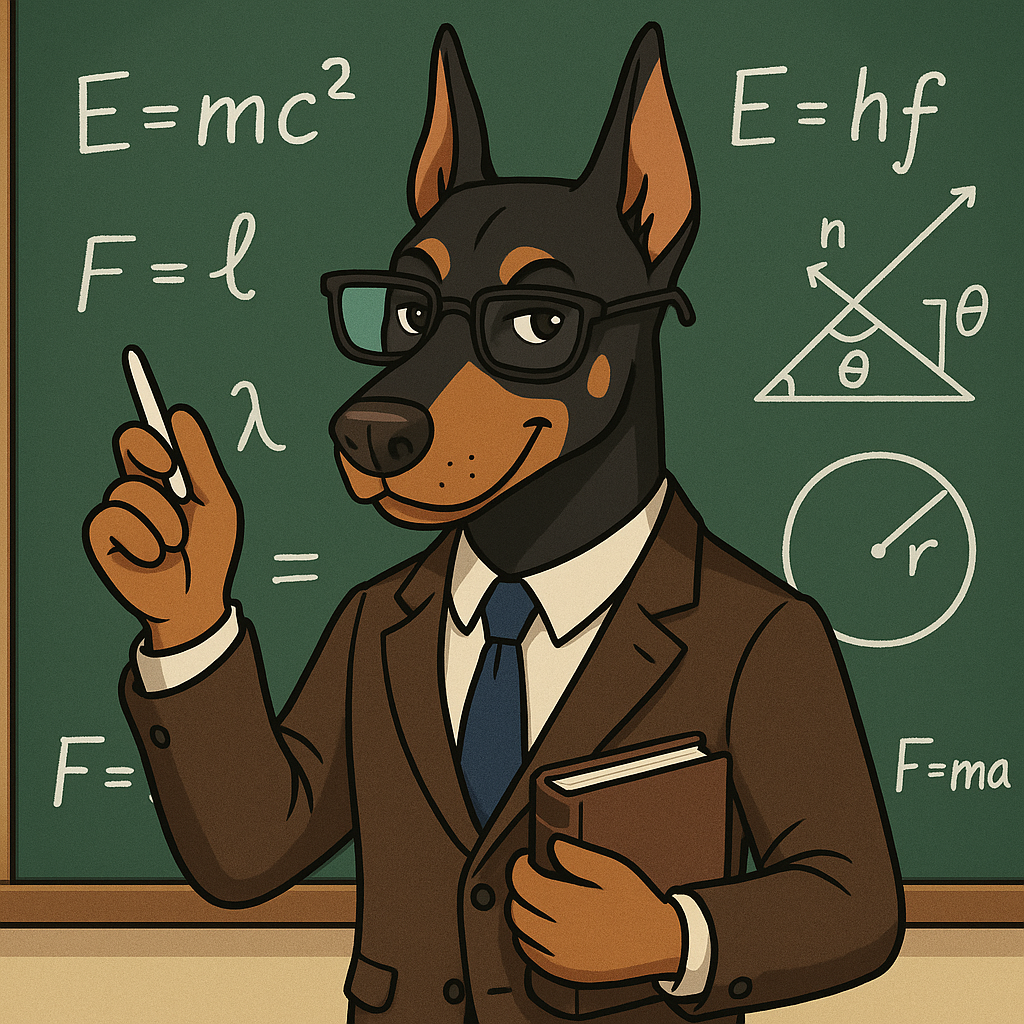
Are Dobermans smart? At Wonder Doberman, we know one thing for certain: Dobermans are brilliant. Not just intelligent in the way many dogs are—they are truly strategic, problem-solving, emotionally aware dogs who often leave even experienced dog owners scratching their heads.
This intelligence makes them incredibly rewarding to live and train with—but it can also make things a lot more complicated. In fact, one of the most common comments we hear from first-time Doberman owners is, “I didn’t expect them to be this smart… and this manipulative.”
In this post, we’ll explore what makes Dobermans so intellectually advanced, the double-edged sword of that intelligence, how they can outsmart their owners, and—most importantly—what you can do to channel that brainpower into healthy, structured, and fulfilling outlets.
Table of Contents
How Smart Are Dobermans?
Dobermans consistently rank in the top 5 of canine intelligence across all major studies. According to Dr. Stanley Coren, a leading expert in canine psychology, the Doberman Pinscher is ranked #5 in the world for working and obedience intelligence, right after the Border Collie, Poodle, German Shepherd, and Golden Retriever.
But intelligence isn’t just about how fast a dog can learn a command. Dobermans excel in all three types of canine intelligence:
- Obedience Intelligence – How quickly they learn and obey commands (usually in under five repetitions).
- Adaptive Intelligence – How well they solve problems on their own without being taught.
- Emotional Intelligence – How well they read and respond to human emotion and social cues.
In short, Dobermans are smart across the board. They learn fast, think for themselves, and know how to get what they want from you. That’s where things get tricky.
The Double-Edged Sword: When ‘Dobermans Smarts’ Becomes Too Smart
Dobermans don’t just learn commands—they learn patterns, schedules, habits, weaknesses, and opportunities. They observe. They wait. They test. And if you’re not two steps ahead, they will outwit you.
Here are some real-life examples Doberman owners often experience:
- Your Doberman learns that the “down” command is usually followed by a treat, but only if you say it while you’re in the kitchen. So they only obey when you’re near the treat jar.
- They understand that the word “walk” means fun—but if you say it without following through, they’ll harass you relentlessly until you follow up.
- They figure out how to open gates, fridge doors, cabinets, and sometimes even locked crates.
- They feign confusion when asked to do something they don’t want to do—but “suddenly” remember how when a reward appears.
- They can manipulate multiple people in the household by adjusting their behavior—subtle guilt-tripping, stubborn silence, selective affection—all to get what they want.
This level of reasoning and strategy is what makes people say Dobermans are too smart. They don’t just learn—they plot.
Manipulative Behavior: Smart Dog, Clever Mind Games
One of the most astonishing aspects of Doberman intelligence is their capacity to manipulate. While it might sound like we’re giving them too much credit, experienced Doberman owners know: these dogs are actors, negotiators, and mind-game champions.
Here are some classic manipulative behaviors:
1. Feigning Confusion
They “forget” how to sit when you don’t have food in your hand. They suddenly can’t hear “come” when there’s something more interesting nearby. But wave a leash? Their memory returns in a flash.
2. Dividing and Conquering
Dobermans quickly identify who in the household is more permissive. They’ll push limits with that person while behaving perfectly with the strict one. Many couples find themselves being “played” by the dog without realizing it.
3. Emotional Manipulation
Dobermans are emotionally intelligent. They know how to make eye contact, sulk, or act anxious to get out of something they don’t want to do—or into something they do want (like your bed or the front seat of the car).
4. Testing Boundaries
They’ll do something wrong—slowly, while looking at you—just to see how you react. “Can I steal this sock if I do it reaaaally slowly?” “Will you notice if I sneak onto the couch with one paw first?”
5. Inventing Distractions
Some Dobermans will learn to create distractions to get out of situations. For example, barking at the window during training to redirect your attention or chasing their tail to avoid a command.
Why This Can Be Frustrating for Owners
Many people get a Doberman expecting a loyal, obedient companion—and they absolutely are. But most people don’t expect that obedience to be wrapped in constant negotiation.
Some frustrations new owners face include:
- Feeling like they always have to “out-think” their dog.
- Exhaustion from constant boundary testing.
- Dobermans acting differently depending on who is giving the command.
- Obedience that feels conditional: they can do it, they just choose not to unless it benefits them.
Without proper training, structure, and mental stimulation, this can quickly become overwhelming. But it doesn’t have to be.
How to Handle a Highly Intelligent Doberman
Smart dogs require smart owners—or at least owners who are willing to learn. Here are practical ways to work with your Doberman’s intelligence rather than against it.
1. Be Consistent
Smart dogs find and exploit inconsistency. Everyone in the house must follow the same rules, use the same commands, and reinforce the same expectations.
2. Train for Life, Not Just for Commands
Use obedience as a language, not a trick. Smart dogs like Dobermans do best when training is part of daily life. Incorporate it into play, walks, feeding routines, greetings, and even nap time.
Tip: Ask for a “down” before every meal. Ask for a “place” when guests arrive. Use “wait” at the door before going for a walk.
3. Add Layers to Training
Dobermans love a challenge. Instead of just teaching “sit,” add distractions. Teach them to “sit” while you turn your back. Teach “place” with another dog nearby. Teach “leave it” with toys, food, or their favorite person involved.
When training is too easy, they lose interest or find loopholes.
4. Don’t Over-Rely on Food
Dobermans can become transactional if food is the only motivator. Use praise, play, affection, and access to privileges (couch time, fetch, car rides) as part of your reward system.
This keeps them engaged and less likely to manipulate you for treats only.
5. Mentally Stimulate Them
A bored Doberman is a mischievous Doberman. Some ways to engage their mind:
- Scent games (hide a treat or toy and let them find it)
- Advanced obedience drills
- Trick training (yes, even silly tricks like bow or roll over)
- Agility or obedience competition
- Puzzle toys and treat dispensers
- Canine sports like dock diving, tracking, or even bikejoring
6. Call Their Bluff—Kindly
If your Doberman is “pretending” not to know something, don’t cave. Don’t show frustration. Stay calm, and follow through. If you give in, they learn how to get their way next time.
Confidence and calm are your best tools.
7. Don’t Skip the Rules Because They’re Cute
Dobermans have expressive eyes and affectionate natures—but don’t let charm override structure. If the rule is “no counter surfing,” that rule stands—even if they gave you a kiss before doing it.
The Importance of Balanced Training for Smart Dogs
At Wonder Doberman, we believe in balanced training—a thoughtful and structured approach that combines positive reinforcement with clear, consistent boundaries. Our goal is to create an environment rooted in fairness, mutual respect, and open communication between human and dog.
Dobermans are highly intelligent and thrive when they understand both what is expected of them and how to succeed. They gain confidence and security when their world is predictable—when certain behaviors lead to praise, play, or affection, while others gently redirect them toward better choices.
We focus on setting our dogs up for success by being proactive, not reactive. Instead of allowing confusion or inconsistency to take hold, we provide calm, firm guidance that helps prevent problem behaviors before they start. When needed, we use humane and constructive feedback to help dogs make better decisions—never out of frustration, but as part of a compassionate learning process.
A Doberman without structure will eventually begin to make their own rules, often leading to pushy, chaotic, or even anxious behavior. That’s not fair to them—or to their families. With balanced, respectful training, Dobermans blossom into the focused, loyal, and well-mannered companions they were born to be.
Real Life at Wonder Doberman
We’ve lived with many Dobermans over the years. We know their tricks. We’ve had puppies that learned how to open gates at 10 weeks old. Adults that learned the exact angle needed to escape a crate. Dogs that waited until a human turned their back to sneak onto the couch—and got down the moment they heard footsteps.
We’ve also had dogs that passed advanced obedience titles with flying colors, who respond to subtle hand signals, who know how to alert to danger, retrieve medicine pouches, or help calm anxious children.
The same intelligence that causes mischief also enables incredible training, communication, and partnership. That’s why we love this breed.
Final Thoughts: Smart Dogs Need Smart Relationships
Owning a Doberman isn’t about domination or submission—it’s about respectful leadership. These dogs are so intelligent that they crave purpose, clarity, and consistency. Without it, they’ll take matters into their own paws.
But with it? You’ll never find a more loyal, intuitive, and capable partner. They’ll become your shadow, your teammate, your best friend, and your daily challenge—in the best possible way.
So yes—Dobermans are “too smart” sometimes. But when you embrace that intelligence and learn to work with it, the results are nothing short of amazing.
Got a Smart Doberman of Your Own?
Let us know how your Doberman outsmarts you on our social media—or contact us if you’re looking for help building a better training relationship with your dog.
At Wonder Doberman, we love smart dogs—and we’ll help you love yours even more.