
Obstruction and Intestinal Blockage in Dogs: A Serious Health Emergency Every Owner Should Understand
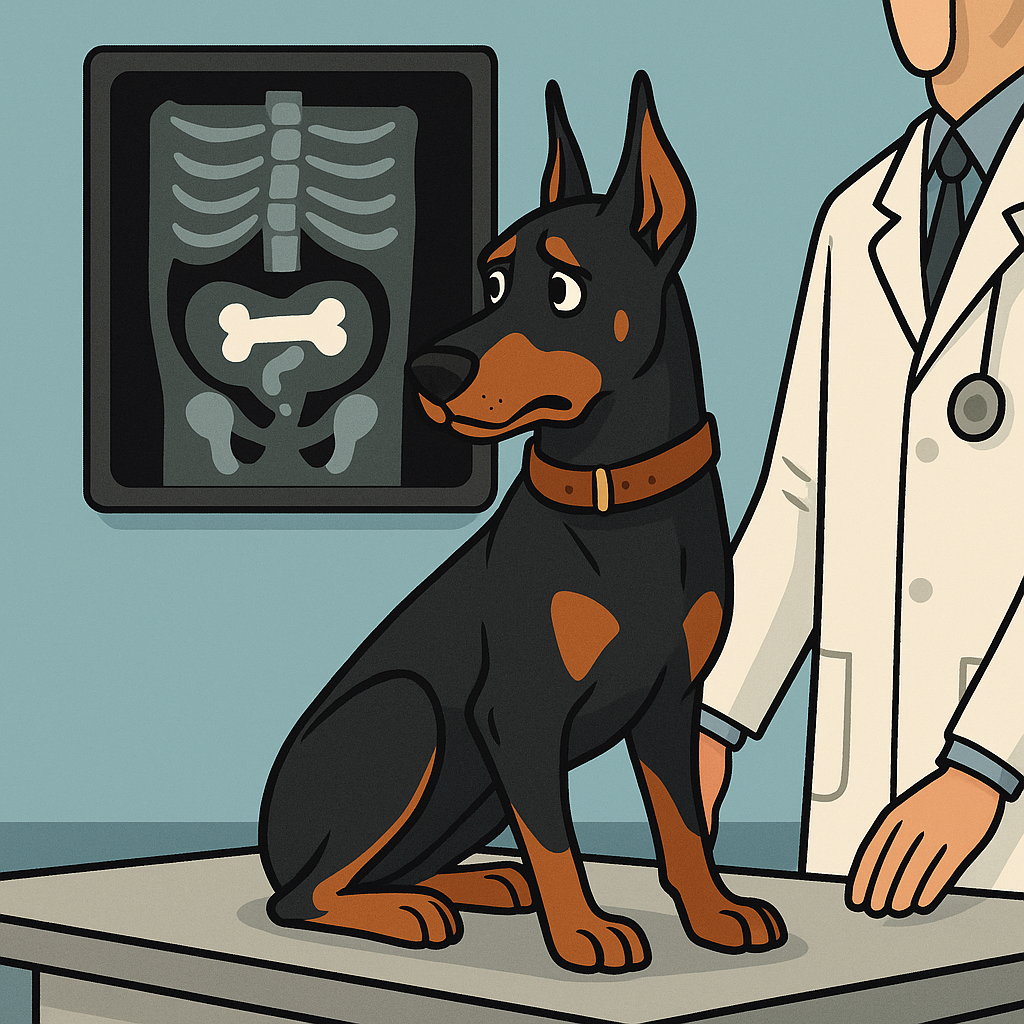
When it comes to dog health emergencies, few things are as frightening or as urgent as an intestinal blockage. Unlike minor issues that can be monitored, obstructions can escalate rapidly, leading to pain, infection, organ damage, or even death if left untreated. Unfortunately, dogs are naturally curious creatures, and many of them explore the world with their mouths. This curiosity sometimes leads to swallowing objects that were never meant to be ingested, setting the stage for a potentially life-threatening emergency.
This post will dive deep into the subject of blockages and obstructions in dogs: what they are, what causes them, how to recognize the signs, the dangers involved, treatment options, and perhaps most importantly: how to prevent them in the first place.
Table of Contents
What Is a Blockage in Dogs?
A blockage (or intestinal obstruction) occurs when something prevents the normal passage of food, fluids, and gas through the digestive tract. Obstructions can happen in different parts of the gastrointestinal system, including:
- Stomach – preventing food from leaving the stomach.
- Small intestine – the most common and most dangerous location, as it disrupts nutrient absorption and can cut off blood flow.
- Large intestine/colon – less common, but can still be very serious.
Obstructions may be partial (allowing some material to pass) or complete (fully blocking passage). Both are dangerous, but a complete obstruction requires immediate intervention.
Common Causes of Blockages
Dogs of all breeds and ages are at risk, but young and curious dogs, particularly large-breed puppies, are most likely to swallow inappropriate objects. Here are the main culprits:
1. Foreign Objects
The most frequent cause of obstruction. Examples include:
- Toys (especially rubber balls, squeakers, or pieces of chewed toys)
- Bones (rawhide, cooked bones, or large marrow bones)
- Socks, underwear, or clothing
- Sticks, corn cobs, or rocks
- Plastic bags or wrappers
2. Bones and Rawhide
Even when marketed for dogs, some chews can splinter or swell, creating blockages. Cooked bones are especially dangerous as they can also puncture the gut.
3. Hair and Fur
Long-haired dogs or those who groom themselves excessively may swallow large amounts of fur, forming hairballs (trichobezoars) that block the stomach or intestines.
4. Tumors or Growths
Sometimes the obstruction isn’t caused by ingestion but by growths within the digestive tract, narrowing the pathway.
5. Intestinal Twisting (Volvulus)
A severe and often fatal condition where the intestine twists on itself, blocking passage and blood flow.
Why Blockage in Dogs Is So Dangerous
An obstruction does more than stop digestion—it sets off a cascade of dangerous consequences:
- Pressure Build-Up – Gas and food accumulate behind the blockage, stretching and damaging the intestines.
- Restricted Blood Flow – If the blockage presses on the intestinal wall, circulation can be cut off, leading to tissue death.
- Bacterial Overgrowth and Toxins – Stagnant food becomes a breeding ground for bacteria, which release toxins into the bloodstream.
- Perforation – Severe pressure or sharp objects can tear the intestinal wall, spilling bacteria into the abdomen and causing peritonitis, a life-threatening infection.
- Shock and Death – Left untreated, obstruction can progress quickly to collapse, organ failure, and death.
Recognizing the Symptoms
Because dogs can’t tell us what’s wrong, owners must rely on observing signs. Symptoms vary depending on the type and location of the blockage but commonly include:
- Vomiting (often repeatedly, sometimes with undigested food, bile, or foam)
- Loss of appetite (refusing food despite usually being eager)
- Abdominal pain (whining, hunching, or reacting when touched)
- Lethargy (weakness, lack of interest in play or walks)
- Bloating (distended abdomen from gas buildup)
- Straining to defecate or producing very little stool
- Diarrhea mixed with mucus or blood (in partial obstructions)
- Restlessness or pacing as the dog can’t get comfortable
If you notice persistent vomiting, abdominal swelling, and lethargy together, treat it as an emergency.
Risk Factors: Which Dogs Are More at Risk?
While any dog can suffer from a blockage, some are more prone:
- Puppies – curious, teething, and prone to chewing/swallowing non-food items.
- Large-breed dogs – their size allows them to swallow bigger objects.
- Breeds with strong chewing tendencies – such as Dobermans, Rottweiller, and German Shepherds.
- Dogs prone to scavenging – including many hounds and terriers.
- Dogs with a history of pica (the habit of eating non-food items).
Diagnosis: How Veterinarians Confirm a Blockage
If you suspect your dog has an obstruction, a vet visit is non-negotiable. Time is critical. Diagnosis may involve:
- Physical Examination – feeling the abdomen for pain or swelling.
- X-Rays – may reveal foreign objects, gas buildup, or blockages.
- Ultrasound – provides more detail, especially if the object is not visible on X-ray.
- Endoscopy – allows direct visualization of the stomach and upper intestines.
- Blood Work – checks hydration, electrolyte balance, and signs of infection.
Treatment Options
The right treatment depends on the severity and location of the obstruction.
1. Inducing Vomiting (Early Cases)
If ingestion was very recent and the object is still in the stomach, a vet may induce vomiting—though never at home without guidance, as sharp objects can cause damage.
2. Endoscopy
For objects in the stomach or upper intestine, a flexible scope may be used to retrieve the item without surgery.
3. Surgery (Enterotomy or Resection)
The most common solution for lodged items. The vet makes an incision into the intestine (enterotomy) to remove the object. If tissue has died, a section of intestine may need to be removed (resection).
4. Supportive Care
After removal, dogs may require IV fluids, antibiotics, pain management, and dietary restrictions during recovery.
Recovery and Prognosis
The outcome depends largely on how quickly the blockage is treated.
- Early intervention – excellent prognosis, with most dogs making a full recovery.
- Delayed treatment – prognosis worsens if tissue death, infection, or perforation has occurred.
Most dogs require a few weeks of restricted activity and a special diet to allow the intestines to heal fully.
Prevention: Keeping Your Dog Safe
Preventing blockage in dogs is far easier and far less costly than treating it. Practical prevention steps include:
- Supervise chewing – especially with bones, rawhide, and toys.
- Choose safe toys – size-appropriate, durable, and too large to swallow.
- Dog-proof your home – keep socks, underwear, and garbage out of reach.
- Feed appropriate bones only – raw meaty bones sized for your dog, never cooked bones.
- Address pica – if your dog eats non-food items compulsively, work with a trainer or vet.
- Regular vet checkups – to detect underlying issues like tumors early.
Cost Considerations
Intestinal blockage in dogs is not only dangerous, but can also be expensive. Depending on location and treatment type:
- X-rays/diagnostics: $300–800
- Endoscopy: $1,000–2,500
- Surgery: $2,000–6,000 (or more in emergencies)
- Complicated cases with ICU stay: $5,000–10,000+
Pet insurance or emergency savings can make the difference between life-saving treatment and financial hardship.
Special Note on Dobermans and Blockages
Dobermans, like other large and athletic breeds, are particularly vulnerable to gastrointestinal emergencies. Their curious, intelligent, and often mischievous nature means they may be more inclined to ingest inappropriate items when bored. In addition, large-chested breeds have an increased risk of conditions like bloat and volvulus, which can mimic or complicate obstruction symptoms.
At Wonder Doberman, we emphasize:
- Strict toy supervision, especially with chew toys and balls.
- Avoiding rawhide altogether.
- Monitoring stools daily for early signs of slowed digestion.
- Using structured obedience and engagement to prevent boredom chewing.
Doberman owners must be extra vigilant: quick action can mean the difference between a routine surgery and a devastating loss.
A real example from our own experience is with Hydra, one of our females, who unfortunately had to undergo the same surgery twice for intestinal obstruction caused by toys she ingested. We have lived with Hydra for many years, and it never once happened under our care it only occurred when she was with a babysitter. The two situations involved completely different people: the first time it was a friend, and the second time it was my own brother and his wife. Both are responsible, caring individuals who truly love dogs, yet Hydra still managed to swallow something dangerous when left under their watch. After the first surgery, everything went smoothly and Hydra recovered beautifully.
However, during the second surgery, things were very different: she almost died on the table. We are incredibly fortunate that one of the best veterinarians was there, fighting for her, because without that level of expertise and care, Hydra might not be here today. She is the best dog, and her story is a sobering reminder that even a single mistake can have devastating consequences. Choosing a sitter isn’t just about trust, it’s about ensuring they understand constant supervision and safety, because your dog’s life can truly depend on it.
Final Thoughts
Intestinal obstructions and blockage in dogs are among the most urgent emergencies an owner can face. The combination of rapid progression, severe pain, and potential for fatal complications makes it critical for every dog owner to recognize the risks and act quickly.
By knowing the signs, seeking veterinary help without delay, and taking steps to prevent accidents, you protect your dog from one of the most common, and preventable, health emergencies in canine care.
When in doubt, always err on the side of caution. If your dog has swallowed something suspicious or is showing worrying signs, treat it as an emergency. Quick action saves lives.