
The Ultimate Guide to Dog Massage: Benefits, Techniques, and When to Use It
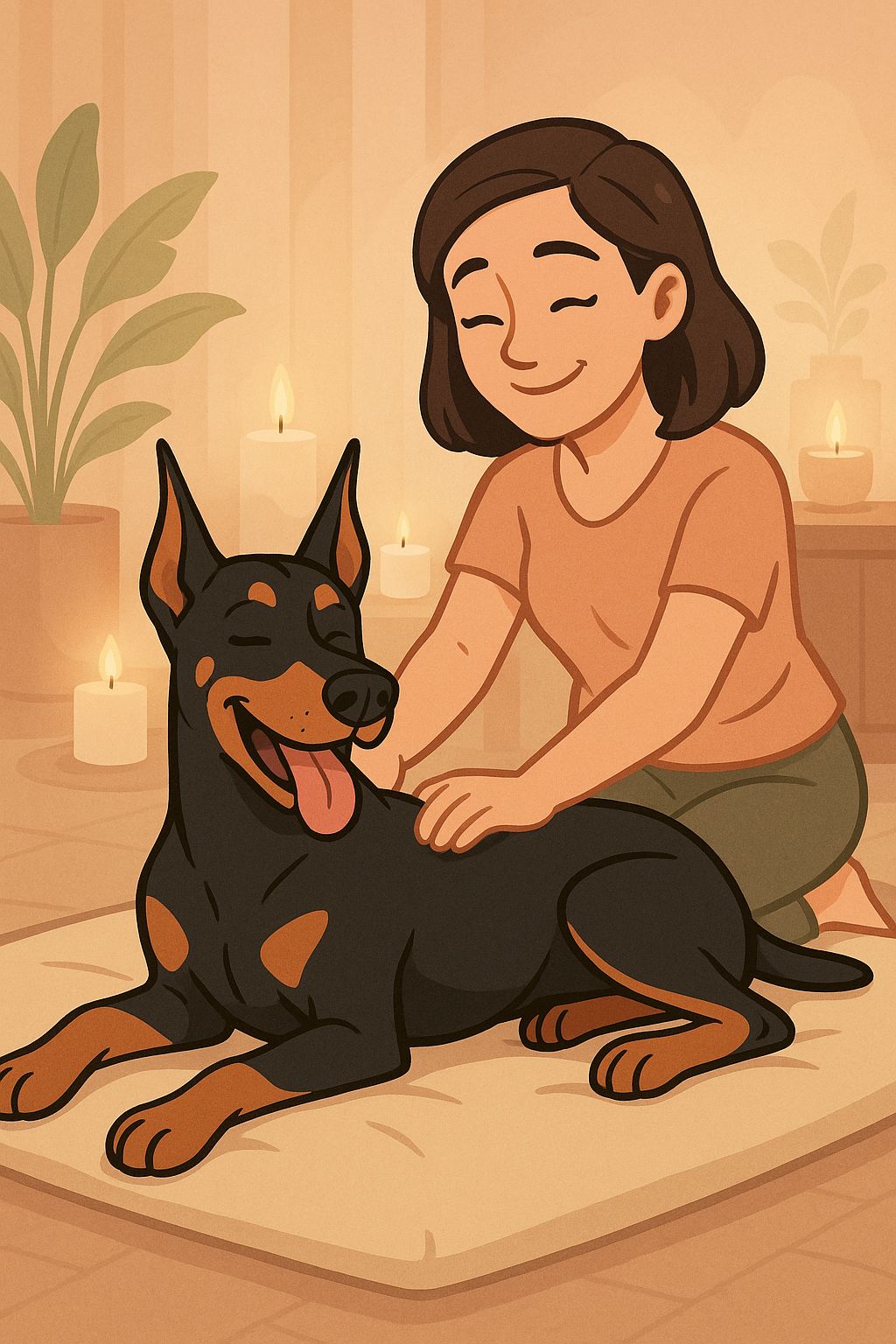
Dog massage might sound like a luxury, but it’s far more than just pampering your pup. Just like humans, dogs experience tension, muscle soreness, stiffness, and stress. Regular massage can help your dog physically and emotionally, and it’s an amazing way to bond with your companion. Whether you have a couch potato or a high-drive working Doberman, every dog can benefit from massage in some way.
In this in-depth guide, we’ll walk you through everything you need to know about dog massage—why it matters, how to do it safely and effectively, and when you should seek out a professional.
Table of Contents
What Is Dog Massage?
Dog massage is the practice of using intentional, gentle pressure and movement of the hands to manipulate your dog’s muscles, tendons, ligaments, and soft tissues. It mimics many of the techniques used in human massage therapy, adapted for canine anatomy and behavior.
Unlike just petting your dog (which is still great!), dog massage is deliberate and therapeutic. It can be used to address specific issues like tension, soreness, recovery after exercise, anxiety, and even digestive discomfort.
Dog massage is often included as part of a larger approach to holistic canine health. It may also be used in conjunction with veterinary treatment, chiropractic care, physiotherapy, or acupuncture.
Benefits of Massaging Your Dog
There are both physical and emotional benefits to regular dog massage. Whether you’re helping an active Doberman unwind after an intense training session or comforting a senior rescue with arthritis, the advantages of massage extend far beyond simple relaxation.
Here are the most important and well-documented benefits of dog massage:
1. Improves Circulation
One of the core functions of dog massage is to stimulate blood flow throughout the body. By applying rhythmic pressure and movement to muscles and soft tissues, you help the heart pump oxygen-rich blood to extremities, muscles, and organs more efficiently.
Increased circulation is particularly important for:
- Working dogs who need quicker recovery between intense activity
- Senior dogs who may have poor peripheral circulation
- Dogs recovering from illness or surgery, where oxygen-rich blood aids tissue regeneration and speeds healing
Improved circulation also helps regulate body temperature and supports the efficient delivery of nutrients, hormones, and immune cells to where they’re needed most.
2. Relieves Muscle Tension and Stiffness
Just like humans, dogs accumulate tension in their muscles—especially in the shoulders, back, and hindquarters. This can come from overexertion, improper posture, anxiety, or even compensation from previous injuries.
Massage gently breaks up adhesions and knots in the muscles, allowing:
- Greater flexibility and fluidity in movement
- Reduction of painful “guarded” postures
- A more natural and balanced gait
This is especially useful for:
- Active breeds like Dobermans who engage in jumping, sprinting, or turning activities
- Senior dogs who develop stiffness from inactivity or arthritis
- Dogs recovering from physical trauma, where tension builds in surrounding muscle groups
Dog massage can reduce the need for over-reliance on pain medications and improve the quality of life significantly.
3. Supports Joint Health
Canine joints—especially hips, shoulders, and knees—take a lot of stress from running, climbing, and playing. Over time, these joints can become inflamed or develop degenerative conditions like osteoarthritis.
Dog massage helps joint health in a few powerful ways:
- Stimulates synovial fluid production, which naturally lubricates joints
- Relieves pressure on the joint capsule by relaxing surrounding muscles
- Encourages better joint alignment and prevents compensatory stress on other limbs
For arthritic dogs or breeds predisposed to hip dysplasia, regular massage can make movement more comfortable and delay the progression of joint degeneration.
4. Reduces Anxiety and Stress
Massage activates the parasympathetic nervous system—also known as the “rest and digest” response. This helps lower heart rate, slow breathing, and release calming hormones like oxytocin and serotonin.
This is invaluable for:
- Dogs with separation anxiety, reactivity, or generalized anxiety
- Dogs recovering from traumatic pasts, such as rescues or abuse survivors
- High-strung working dogs, like Dobermans, who tend to live in a state of alertness or hypervigilance
In many cases, a dog that is too anxious to lie still or sleep deeply may begin to relax during regular massage sessions. Over time, they begin to associate your touch with calm and security—helping them self-regulate even outside of massage time.
5. Improves Lymphatic Drainage
Unlike the circulatory system, the lymphatic system does not have a central pump like the heart. It relies on muscular movement and pressure to move lymph fluid throughout the body.
Lymphatic fluid is responsible for:
- Removing cellular waste and toxins
- Supporting immune system function
- Transporting white blood cells and nutrients
Massage stimulates the lymphatic system, improving the efficiency of these essential tasks. For dogs recovering from illness, injury, or surgery, lymphatic massage can reduce inflammation, speed healing, and prevent fluid buildup (edema).
It’s also a great way to support detoxification in dogs exposed to environmental toxins, medications, or heavy exercise regimens.
6. Aids in Digestion and Gut Health
Gentle abdominal massage—done with care and proper technique—can have powerful effects on your dog’s digestion. By stimulating nerves and muscles in the belly region, you help promote the natural movement of the intestines (peristalsis).
Massage can:
- Alleviate gas and bloating
- Help relieve constipation
- Support gut motility after anesthesia or medication
- Ease mild stomach discomfort or tension
For dogs with sensitive stomachs, irritable bowel syndrome, or a history of bloat (a serious concern in deep-chested breeds like Dobermans), massage should always be gentle and done only when the dog is relaxed. When used appropriately, it can be part of a holistic approach to maintaining gut health.
7. Improves Posture and Body Awareness
When dogs experience injury, pain, or chronic stress, they often adjust their posture without us realizing. They may carry more weight on one side, tilt their hips, or curl their spine. Over time, these compensations can cause muscular imbalances or strain on joints.
Massage helps:
- Increase your dog’s awareness of their own body (called proprioception)
- Release tense or overused muscle groups
- Encourage a more natural and neutral posture
This is essential for performance dogs, service animals, or those involved in sports like obedience, protection, dock diving, or agility. Even for family pets, posture affects comfort, movement, and long-term health.
8. Enhances the Human-Dog Bond
Physical touch is one of the most powerful ways we communicate with our dogs. While grooming, feeding, and training are vital, massage creates a unique opportunity for emotional connection.
During massage:
- Your hands communicate trust, safety, and affection
- You become more attuned to your dog’s nonverbal signals
- You build a ritual that reinforces calm, cooperative behavior
This is especially beneficial for dogs who are hand-shy, fearful of handling (like for nail trims or vet exams), or uncertain around new people. Over time, your dog will begin to associate your touch with comfort and relaxation—not just restraint or correction.
At Wonder Doberman, we’ve found massage to be a game-changer for building connection with our high-drive Dobermans. Many of our dogs begin to request massage sessions by nudging our hands or lying down in their favorite massage spots. It’s a beautiful way to reinforce trust and show them that we’re not just their trainer—we’re their safe space.
When Massage Is Most Helpful
Some dogs benefit from regular, routine massage. Others need it more during specific periods. Here are a few situations where massage is especially helpful:
- After intense exercise, competition, or training
- During recovery from an injury (with vet approval)
- In senior dogs who are losing muscle mass or mobility
- For anxious, fearful, or overstimulated dogs
- After major changes like moving, surgery, or a new family member
- For high-drive breeds (like Dobermans!) who struggle to relax
At Wonder Doberman, every one of our moms receives a well-deserved VIP spa massage after giving birth. Welcoming a litter of 10 puppies is no small feat—it’s physically intense and incredibly taxing. Just like human mothers need recovery and care, so do our devoted girls. We believe they deserve the absolute best to help them relax, restore their strength, and bounce back into top shape as soon as possible. Their comfort is our priority, because great moms deserve great treatment.
Basic Dog Massage Techniques
You don’t have to be a professional to give your dog a safe, relaxing massage. Here are some beginner techniques to try at home:
1. Effleurage (Gliding Strokes)
Use flat palms to gently glide over your dog’s body in the direction of hair growth. This warms the muscles and helps your dog relax.
Best for: Warming up and calming nervous dogs.
2. Petrissage (Kneading)
Use your fingers and thumbs to knead the muscles, like kneading dough. Great for working into the shoulders, thighs, and neck.
Best for: Releasing muscle knots and tension.
3. Compression
Apply gentle pressure to a muscle and release. It’s a pulse-like action that helps increase blood flow.
Best for: Larger muscles like the thighs and shoulders.
4. Friction
Small, circular motions with your fingertips to target specific knots or sore spots.
Best for: Trigger points or specific areas of tightness.
5. Passive Range of Motion (PROM)
Gently bend and extend your dog’s joints (elbows, hips, knees) through a natural range of motion without force.
Best for: Maintaining flexibility, especially in older dogs.
How to Prepare Your Dog for a Massage
Not all dogs will immediately understand or enjoy massage, so setting the scene helps:
- Choose a quiet, calm environment. No distractions or excitement.
- Let your dog lie down naturally. Never force them into position.
- Start with gentle petting. Then transition slowly into massage techniques.
- Watch your dog’s body language. Stop if they show signs of discomfort.
- Use calm, soothing voice cues. This helps associate massage with peace.
Precautions and When to Avoid Massage
Massage is safe for most dogs—but there are times when it’s not appropriate.
Do NOT massage your dog if:
- They have a fever or infection
- There’s swelling or unexplained lumps
- They have a recent fracture or open wound
- They’re showing signs of intense pain (limping, yelping, guarding)
- They just had surgery and your vet hasn’t cleared them
If in doubt, consult your vet before beginning massage therapy.
How Often Should You Massage Your Dog?
Frequency depends on your dog’s lifestyle, health, and age.
- For active or working dogs (like Dobermans): 1–2 times per week
- For seniors or arthritic dogs: 2–3 times per week or daily for short sessions
- For healthy pets: Once a week or as needed for bonding and maintenance
- For recovery: Follow your vet or rehab therapist’s guidance
You can also do mini-massage sessions after playtime or during your nightly routine.
Professional Dog Massage Therapists
While you can do a lot at home, certified canine massage therapists offer deeper, targeted techniques for injury recovery, chronic conditions, and performance prep.
Look for therapists who:
- Are certified through programs like NBCAAM or CCMRT
- Work in partnership with your vet or rehab specialist
- Have a gentle, calm energy around dogs
- Offer tailored plans based on your dog’s needs
In some regions, vet referrals may be required for therapeutic massage.
Massage and Performance Dogs (like Dobermans!)
At Wonder Doberman, we work with athletic, intelligent dogs that train hard and give their best. Massage is an incredible tool for maintaining their performance and preventing injury.
Our high-drive Dobermans found massage incredibly helpful for:
- Calming post-training arousal
- Preventing overuse injuries
- Speeding up recovery after long days of obedience, protection, or agility
- Keeping older retired dogs comfortable and mobile
Some of our dogs even seem to ask for massages by lying belly-up and staying still, waiting for their turn!
Your Hands Are a Tool for Communication
Massage is more than physical care—it’s a conversation. By learning how your dog’s muscles feel, you’ll notice changes over time: tightness, heat, flinching, or discomfort. This body awareness can help catch issues early before they become serious.
Use massage as a check-in. Combine it with brushing, nail care, and health checks to give your dog full-body attention in a way that builds connection.
Conclusion
Massage is one of the most underrated tools in a dog owner’s toolkit. It’s simple, natural, and deeply powerful—whether you’re helping a senior move better, calming an anxious rescue, or boosting recovery in your working Doberman.
With a little knowledge and consistency, you can use your hands to give your dog better health, a stronger body, and a deeper bond with you.
Start small. Learn your dog’s preferences. Watch how their body melts into your touch. The benefits speak for themselves.
Want to Learn More?
Follow us at Wonder Doberman for more wellness tips, performance care advice, and real-life experiences from living with high-drive, intelligent Dobermans who need both structure and softness in their routines.
And tell us—have you tried massaging your dog? What did they think?