
Obesity in Dogs: Why Fit Should Be the New Normal

At Wonder Doberman, we don’t shy away from difficult conversations when it comes to the health and well-being of our dogs. One topic that tends to ruffle feathers, and yet urgently needs to be addressed, is obesity in dogs.
In recent years, the definition of what a “healthy” dog looks like has become seriously distorted. So much so that a lean, well-conditioned dog is often seen as “too skinny” by the average eye. People are frequently proud of their dogs’ immense size, mistaking it for strength, majesty, or good care. But the hard truth is: the new normal is obesity, and it is slowly killing our dogs.
Fit should be the normal. And we believe it’s time for a wake-up call.
Table of Contents
The Distorted Image of a “Healthy” Dog
Over and over again, we see people post photos of their dogs online, proudly claiming how “solid,” “massive,” or “big-boned” their dogs are — and unfortunately, many of those dogs are clinically obese. Even more concerning, when someone presents a fit and muscular dog, comments often flood in suggesting that the dog is “underfed” or “too thin.” The misunderstanding is widespread, and the normalization of obesity in dogs is everywhere.
This distorted image is not just a cosmetic issue — it’s a serious health threat.
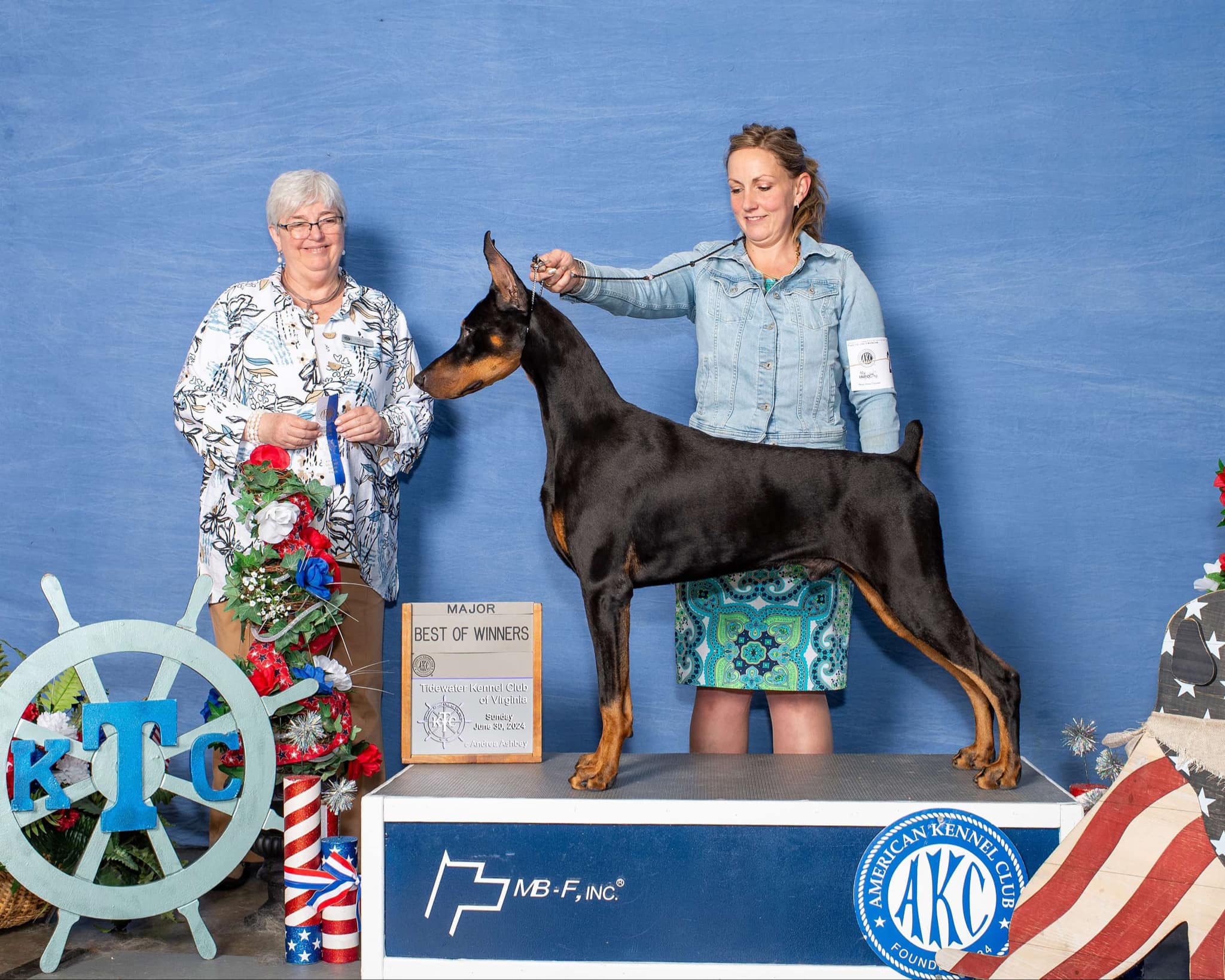
Here is a photo of Jupiter, showcasing the ideal example of a perfectly fit canine physique.
Obesity in Dogs Is Not a Breed Trait, But a Medical Problem
Let’s be clear: being overweight is not normal or healthy for any breed — large or small.
Whether you have a Doberman, Rottweiler, Great Dane, Irish Wolfhound, or even a tiny Chihuahua, Pomeranian, or Dachshund, no dog benefits from carrying extra weight. Obesity in dogs is not a breed trait. It’s not something to take pride in or brush off as “just how the breed is built.” It’s a preventable medical condition that dramatically increases the risk of chronic health problems and can significantly shorten your dog’s life.
The reality is, the larger the dog, the greater the strain that excess weight puts on the joints, heart, and internal systems. A 10-pound gain on a Great Dane is far more damaging than it may appear, especially when those already-vulnerable hips and knees are absorbing every ounce of that impact with every step. Larger breeds are already predisposed to joint problems like hip dysplasia, arthritis, and ligament injuries — obesity compounds those risks dramatically and often leads to a painful, immobile life far too soon.
That said, small dogs aren’t off the hook either. Breeds like Chihuahuas and Pomeranians may seem less affected due to their size, but even a few extra ounces can cause or worsen conditions like luxating patella (floating kneecap) — a painful and common issue that can often be prevented or reduced by simply keeping the dog lean and fit.
Yes, genetics play a role in a dog’s health — but obesity in dogs is one of the most destructive and completely avoidable contributors to chronic illness, pain, and premature death in dogs today. It is quietly stealing years off our pets’ lives, and we have the power — and the responsibility — to stop it.
Health Consequences of Obesity in Dogs
Obesity in dogs is a serious and progressive condition. It opens the door to a host of health issues, including:
1. Joint and Mobility Problems
Excess weight puts incredible pressure on a dog’s joints, leading to:
- Arthritis
- Hip and elbow dysplasia
- Cruciate ligament injuries
- Chronic pain
- Reduced mobility
Larger breeds like Dobermans and Great Danes are especially vulnerable. What starts as a little extra weight can turn into chronic suffering in just a few short months.
2. Heart Disease
Extra fat increases the workload on your dog’s heart. Over time, this leads to:
- High blood pressure
- Congestive heart failure
- Poor circulation
- Increased respiratory effort
Your dog shouldn’t be panting just from standing up. That’s not stamina — that’s stress.
3. Diabetes
Obese dogs are at far greater risk of developing Type 2 diabetes. Once diabetes starts, your dog may need insulin injections for life. Symptoms include:
- Excessive thirst and urination
- Weight loss despite appetite
- Lethargy
- Cataracts or blindness
4. Cancer
Fat isn’t just inactive tissue — it produces hormones and inflammatory compounds that increase the risk of certain cancers. Several studies have linked obesity to:
- Mammary gland tumors
- Bladder cancer
- Lymphoma
- Soft tissue sarcomas
5. Liver and Kidney Disease
Carrying too much weight overtaxes the liver and kidneys, both of which are essential for filtering toxins and metabolizing food. Long-term obesity can lead to organ failure — often without obvious symptoms until it’s too late.
6. Shortened Lifespan
Multiple studies show that fit dogs live an average of 1.8 to 2.5 years longer than their overweight counterparts. That’s not just time — that’s quality time. That’s more walks, more games, more cuddles, more life.
At Wonder Doberman, We Take This Seriously
At Wonder Doberman, we take immense pride in celebrating the many joys of dog ownership — the beauty, athleticism, intelligence, and loyal companionship that define our breed. But alongside the joy comes a deep sense of responsibility. And part of that responsibility is being honest about the serious issues that can impact a dog’s quality of life. Obesity in dogs is one of those issues, and we do not take it lightly.
Whenever someone visits us with an overweight dog — whether they’re coming for training, consultation, or simply stopping by to show us how one of our puppies has grown — we always address it. Not to criticize, but to educate. We approach the conversation with kindness and respect, but also with clarity and conviction, because we understand exactly what’s at risk: chronic pain, serious health complications, and a reduced lifespan.
Our intention is never to shame or judge. It’s to advocate for the dog’s well-being. Raising awareness about obesity in dogs isn’t about appearances — it’s about health, function, and longevity. As breeders, trainers, and lifelong dog advocates, we believe it’s our duty to speak up when a dog’s health is compromised, even if the conversation is uncomfortable. Because in the end, true care means telling the truth — especially when it matters most.
The Illusion of “Hunger”: Why Your Dog Isn’t Actually Starving
One of the most common concerns we hear from dog owners is: “But he still acts hungry after eating.”
It’s an understandable worry — no one wants to feel like they’re denying their dog. But it’s important to understand that dogs are naturally opportunistic feeders. They’re hardwired to take advantage of any food that’s available, especially in breeds with strong appetites. Just because a dog wants more doesn’t mean they need more.
If your dog’s daily ration is correctly portioned — based on their size, age, breed, energy level, and whether they’re intact or altered — and they still appear hungry, there are effective, healthy strategies to manage that behavior without risking overfeeding.
1. Use a Slow Feeder Bowl
Fast eating isn’t just a behavioral quirk — it can be dangerous. Dogs that gulp their meals are at higher risk for digestive upset, gas, and more alarmingly, bloat and gastric torsion (GDV) — a life-threatening condition most common in large and deep-chested breeds like Dobermans, Great Danes, and Weimaraners.
At Wonder Doberman, every single one of our dogs eats from a slow feeder, regardless of how fast or slow they eat. Even our calmer eaters benefit from it, as it naturally encourages better chewing, reduces the risk of choking, and helps their body process food more efficiently.
If your dog tends to inhale their food, a slow feeder is a non-negotiable safety tool. You can also try puzzle feeders or food-dispensing toys to mentally engage your dog while extending meal time.
2. Consider Splitting Meals
Some dogs may do better with three or even four smaller meals per day, especially those with high metabolisms, strong food drive, or a tendency to bolt their food. Smaller, more frequent meals can help curb hunger pangs, reduce begging, and provide a steadier energy release throughout the day.
This is particularly useful for:
- Puppies in growth stages
- Underweight or recovering dogs on a controlled plan
- Dogs transitioning to a diet
- Breeds at risk of bloat, where smaller meals reduce stomach stress
You don’t need to increase the total food — just divide the daily portion into more servings.
3. Add Low-Calorie Fillers
To help your dog feel satisfied without adding unnecessary calories, consider mixing in healthy, low-calorie vegetables. These natural fillers are full of fiber, water, and crunch — helping dogs feel full while keeping their diet lean.
Some of our favorite go-to fillers:
Zucchini: The Wonder Veggie
- Low in calories
- High in fiber
- Satisfies that “full belly” feeling
- Dogs love the crunch!
Other great fillers include:
- Steamed green beans
- Chopped celery
- Cucumber slices
- Lettuce or spinach
Pro Tip: These fillers can be added to meals or given as snacks without throwing off your dog’s caloric balance.
Table Scraps: The Silent Weight Gainer
Even one bite of your dinner can add up fast for a dog. A small piece of cheese, a chunk of meat, or a lick of gravy might not seem like much — but relative to your dog’s daily caloric needs, it’s massive.
Let’s break it down:
- A 70-pound Doberman typically needs around 1200–1500 calories a day, depending on activity.
- One slice of bacon: ~80 calories
- One bite of buttered toast: ~100 calories
- One spoon of peanut butter: ~90 calories
It adds up. Fast.
If you’re planning on giving your dog treats or table scraps (though we don’t recommend it), you must reduce their regular food portion accordingly. Otherwise, you’re setting your dog on a direct path to weight gain.
How to Tell if Your Dog Is Overweight
A quick hands-on test can reveal a lot:
- Rib Check: You should be able to feel your dog’s ribs easily without pressing too hard.
- Waist: Viewed from above, your dog should have a defined waist.
- Tummy Tuck: From the side, their belly should slope upward, not hang down.
If these are missing — your dog is likely overweight.
Your veterinarian can also perform a Body Condition Score (BCS), which rates your dog from 1 (too thin) to 9 (morbidly obese). A healthy dog should score 4 or 5 out of 9.

What to Do If Your Dog Is Already Overweight
It’s never too late to make a change. Here’s a plan:
Step 1: Talk to Your Vet
Make sure your dog’s weight gain isn’t related to a medical issue (like thyroid dysfunction or Cushing’s disease). Once cleared, ask for a target weight and daily caloric goal.
Step 2: Switch to Measured Feeding
- Weigh your dog’s food, don’t scoop.
- Stick to a feeding schedule.
- No free-feeding or grazing.
Step 3: Cut the Extras
- Eliminate table food.
- Reduce treat quantity.
- Use vegetables or your dog’s kibble as training rewards.
Step 4: Increase Activity
Start gradually:
- Short walks
- Playtime
- Low-impact swimming
- Obedience drills that engage the mind and body
Step 5: Use Fillers to Prevent Begging
As we mentioned, zucchini and other low-calorie veggies can be game changers.
Breeds at High Risk of Obesity
While any dog can become overweight, certain breeds are more prone to it. If you own one of these breeds, you’ll need to be even more vigilant:
- Labrador Retrievers
- Bulldogs
- Pugs
- Beagles
- Basset Hounds
- Rottweilers
- Great Danes
- Golden Retrievers
- Dobermans (especially inactive or spayed/neutered ones)
The Emotional Side: “But I Want to Spoil Him”
We get it. You love your dog. You want to show it. Food feels like love — but when it leads to pain, illness, and an early death, it’s not love anymore.
Real love is saying no when needed.
Real love is keeping your dog lean so they can live longer, feel better, and stay active into their senior years.
Your dog would trade that extra treat in a heartbeat for one more healthy year by your side.
Final Thoughts: Choose Fit, Choose Life
At Wonder Doberman, we are passionate about health — not just beauty. Our dogs are bred to be athletes, partners, and companions. They deserve to live full, vibrant lives. That starts with keeping them at a healthy weight.
Whether your dog is a lean Doberman, a goofy Labrador, or a sassy Chihuahua — they deserve to feel good in their body. They deserve strength, energy, and pain-free movement. You have the power to give them that.
Take obesity seriously — for your dog’s sake.
And if you ever need help, support, or guidance on where to start, don’t hesitate to reach out to us. At Wonder Doberman, we’re here to support not just your dog — but you, the owner who loves them enough to make the tough choices.
Let’s normalize fit dogs again.