
Understanding Obsessive Behaviors in Dogs: Causes, Risks, and Solutions
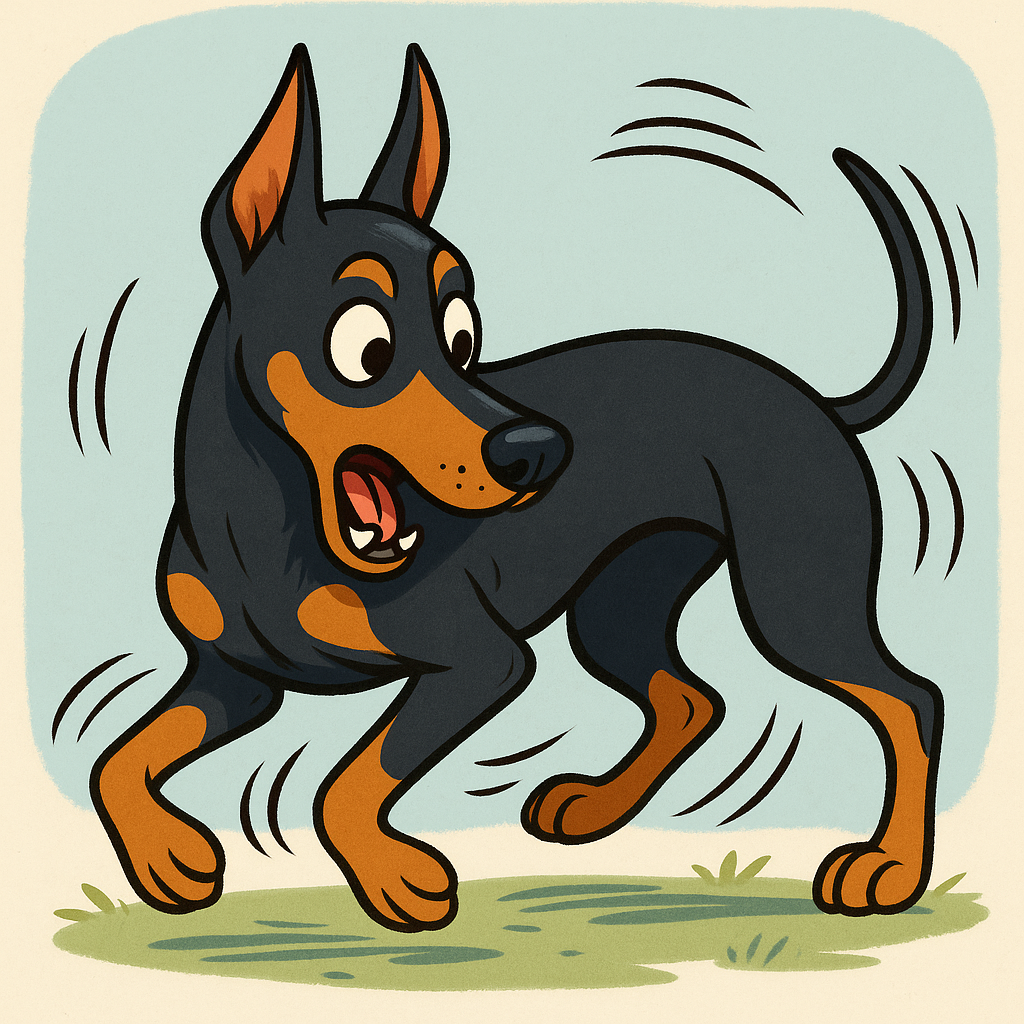
Dogs, like humans, can sometimes develop repetitive, compulsive, or obsessive behaviors. These behaviors may look strange, amusing, or even harmless at first—such as tail chasing, spinning in circles, or pacing up and down the same path. But when they become persistent and hard to interrupt, they can signal deeper issues that deserve careful attention.
In this article, we’ll explore what obsessive behaviors in dogs are, why they happen, and what owners can do to help.
What Are Obsessive Behaviors in Dogs?
Obsessive or compulsive behaviors are repetitive actions that a dog performs excessively, often without obvious purpose or reward. Common examples include:
- Tail chasing or spinning
- Repetitive pacing or circling
- Excessive licking or chewing (on paws, objects, or skin)
- Shadow or light chasing
- Barking at nothing for prolonged periods
- Fixation on one toy or object
- Repetitive digging in the same spot
It’s important to distinguish between normal play or excitement and a true obsessive pattern. A puppy chasing its tail once in a while is normal and usually outgrown. But a dog who spends long periods chasing its tail daily, or injures itself in the process, is showing a compulsive disorder that needs addressing.
Why Obsessive Behaviors Develop
Obsessive behaviors rarely come from one single cause. Instead, they often arise from a combination of physical, emotional, and environmental factors. Below, we’ll break down the most common reasons.
1. Boredom and Lack of Mental Stimulation
Dogs are intelligent, social animals. When they don’t get enough mental stimulation, they may invent their own “activities”—which can turn into obsessive patterns.
- Example: A dog left alone all day with nothing to do may start pacing along the fence or shadow chasing.
- Underlying reason: The behavior relieves frustration and gives the dog an outlet for pent-up energy.
Solution:
- Increase daily enrichment—puzzle toys, training sessions, and games.
- Rotate toys often to keep them exciting.
- Engage in activities like obedience, tracking, or nose work.
2. Excessive Energy Without Proper Outlet
Some breeds, especially working and sporting dogs like Dobermans, Border Collies, or Malinois, are hardwired for activity. Without structured outlets, their energy often spills into repetitive movements.
- Example: A high-drive Doberman may begin tail chasing at night if daily exercise was insufficient.
- Underlying reason: The dog’s energy is “backfiring” into compulsive actions.
Solution:
- Provide adequate physical exercise—not just walks, but running, structured fetch, agility, or obedience.
- Incorporate mental work: dogs tire out faster when they use their brains.
- Aim for predictable routines so the dog doesn’t accumulate stress.
3. Stress and Anxiety
Stress is one of the biggest drivers of obsessive behaviors. Dogs may repeat certain actions as a way to self-soothe.
- Examples:
- Separation anxiety → repetitive pacing near doors or windows.
- Social stress (too many new dogs, chaotic environment) → spinning or licking.
- Underlying reason: The behavior becomes a coping mechanism, like nail-biting in humans.
Solution:
- Identify and reduce triggers (too much noise, long isolation, constant visitors).
- Build independence gradually to prevent separation anxiety.
- Use calming strategies: enrichment, crate training with positive associations, pheromone diffusers.
- For severe anxiety, consult a veterinarian about supplements or medication.
4. Medical Conditions
Not all obsessive behaviors are psychological. Sometimes, they are symptoms of underlying medical issues.
- Examples:
- Allergies or infections → obsessive paw licking.
- Neurological issues (like seizures) → sudden tail chasing or “fly snapping.”
- Pain in hips or spine → pacing or circling.
- Underlying reason: The dog may repeat the behavior because it is reacting to discomfort, itchiness, or neurological misfiring.
Solution:
- Always rule out medical causes first with a veterinarian.
- Check for skin irritations, ear infections, thyroid imbalances, or seizures.
- Treat the medical issue—often, the obsessive behavior fades once the cause is addressed.
5. Genetics and Predisposition
Some dogs are simply more predisposed to obsessive tendencies because of their genetics or breeding.
- Examples:
- Bull Terriers are notorious for tail chasing.
- Herding breeds may compulsively chase shadows or reflections.
- Underlying reason: Certain bloodlines carry stronger compulsive traits.
Solution:
- Acknowledge that genetics play a role—prevention through structured lifestyle is crucial.
- Training, exercise, and enrichment must be carefully balanced.
- Responsible breeding helps reduce risk in future generations.
6. Learned Behaviors Reinforced by Owners
Sometimes, owners unintentionally encourage obsessive behaviors.
- Example: Laughing or filming a dog spinning in circles may reinforce the behavior with attention.
- Underlying reason: Dogs repeat behaviors that get them rewarded—whether with treats, toys, or attention.
Solution:
- Avoid giving attention when the dog performs the obsessive act.
- Redirect to a more positive behavior (sit, fetch, come).
- Reward calm, alternative behaviors consistently.
Why Obsessive Behaviors Can Be Dangerous
At first, obsessive habits may look harmless. But if left unchecked, they can lead to serious physical and emotional problems:
- Physical injuries: raw skin, infected paws, broken teeth, spinal strain.
- Increased anxiety: the more the dog repeats the action, the more ingrained it becomes.
- Social issues: obsessive barking or spinning can make it hard for dogs to interact normally.
- Escalation: what begins as mild pacing can grow into severe self-injury.
Solutions for Obsessive Behaviors
The right solution depends on identifying the root cause. Here’s a structured approach to addressing obsessive tendencies.
Step 1: Veterinary Check-Up
- Rule out medical problems first.
- Ask your vet about skin conditions, neurological issues, allergies, thyroid imbalance, or pain.
- If needed, request referral to a veterinary behaviorist.
Step 2: Increase Physical and Mental Enrichment
- Ensure daily exercise appropriate to breed and age.
- Provide structured outlets: obedience, agility, nose work, hiking, tracking.
- Use puzzle feeders, snuffle mats, or hidden treats.
- Rotate activities to prevent monotony.
Step 3: Manage Environment
- Reduce stress triggers (noise, chaotic spaces).
- Give the dog a safe, calm retreat (crate or quiet room).
- Block access to triggers (for light chasers, manage lighting).
Step 4: Behavior Modification Training
- Teach alternative behaviors using positive reinforcement.
- Example: redirect pacing to a “go to bed” command.
- Interrupt gently, then reward a calm action.
- Avoid punishment—this often increases stress and worsens the cycle.
Step 5: Build Independence and Confidence
- Avoid reinforcing separation anxiety.
- Teach the dog to relax alone for short periods.
- Practice calm departures and arrivals.
- Confidence-building through training reduces anxiety-based compulsions.
Step 6: Professional Help
- For severe cases, a certified behaviorist can create a tailored plan.
- In extreme cases, medication may help alongside training.
- Supplements like Zylkene, L-theanine, or calming chews can be useful for mild cases.
Preventing Obsessive Behaviors
Prevention is always easier than treatment, and the earlier you start, the better the long-term results. While some breeds or bloodlines may carry stronger tendencies toward compulsive patterns, the majority of dogs can be guided into a healthy, balanced lifestyle where obsessive behaviors never develop. Here are the key pillars of prevention explained in detail:
1. Early Training and Socialization to Reduce Anxiety Later
- Why it matters:
Puppies are most impressionable during their critical development window (around 3–16 weeks of age). During this time, positive experiences with people, environments, and other animals teach them resilience. A dog that learns early to adapt to new sights, sounds, and situations is far less likely to develop obsessive coping mechanisms later in life. - How to do it well:
- Introduce puppies gradually to new environments—parks, busy streets, car rides, and quiet spaces.
- Pair new experiences with positive reinforcement (treats, praise, play).
- Expose them to manageable levels of frustration (e.g., short crate times, waiting calmly before meals) so they learn patience.
- Avoid overwhelming them—flooding a puppy with too many stressors at once can backfire.
- Doberman note:
Dobermans in particular are highly sensitive and very intelligent. Without proper early guidance, they may resort to pacing, whining, or self-soothing behaviors. Structured socialization combined with obedience foundations helps channel their intelligence productively.
2. Balanced Lifestyle: Exercise, Training, Play, and Rest
- Why it matters:
Just like humans, dogs need balance in their daily routines. Too much inactivity can lead to boredom and compulsions, while overstimulation with no downtime can create anxiety. - The right balance looks like:
- Physical exercise: Daily walks, runs, or active play sessions tailored to your dog’s breed and age. Working breeds like Dobermans often need 1–2 hours of structured exercise per day.
- Mental stimulation: Training sessions, problem-solving games, scent work, or interactive toys.
- Play: Free, fun, and bonding activities—tug, fetch, or social play with trusted dogs.
- Rest: Dogs need much more sleep than humans (12–16 hours a day for adults, up to 20 hours for puppies). Without adequate rest, overstimulated dogs may start repetitive pacing or licking out of fatigue.
- Tip: Establish a predictable daily routine. Dogs thrive when they know what to expect, and predictability lowers the risk of stress-driven compulsions.
3. Observation: Catch Small Repetitive Habits Before They Escalate
- Why it matters:
Many obsessive behaviors begin as small quirks. A dog might lick its paw once or twice out of boredom, or chase its tail occasionally. Without intervention, these behaviors can spiral into full-blown compulsive patterns that are harder to reverse. - What to watch for:
- Repetitive licking of one spot (may indicate irritation, boredom, or stress).
- Constant pacing along the same line in the yard.
- Excessive fixation on reflections, shadows, or toys.
- Spinning more than once in excitement or frustration.
- Intervention tips:
- Redirect immediately to an appropriate behavior (e.g., “sit,” fetch, or go to bed).
- Increase mental and physical outlets if you see repetitive habits.
- Use these moments as signals—your dog is asking for engagement, relief, or comfort.
4. Responsible Breeding: Avoid Dogs with Known Compulsive Disorders in Their Lines
- Why it matters:
Genetics play a powerful role in shaping temperament and behavior. Some lines of certain breeds (Bull Terriers, Dobermans, German Shepherds, etc.) have stronger predispositions to obsessive tendencies. Breeding dogs with known compulsive disorders only perpetuates the problem. - For breeders:
- Screen breeding dogs not just for physical health but also for behavioral soundness.
- Avoid pairing two high-drive or anxious dogs, even if they look good on paper.
- Keep detailed records of family temperaments—avoid repeating matings that produced obsessive tendencies.
- For puppy buyers:
- Ask breeders about the behavioral history of their dogs, not just health testing.
- Visit in person if possible to observe how the dogs behave in a natural environment.
- Choose breeders who prioritize mental stability and not only appearance or performance.
- At Wonder Doberman:
We monitor our breeding program not just for health (hips, elbows, heart, genetic testing) but also for temperament stability. We avoid stacking fragile traits, and our goal is to produce Dobermans with low COI (<1%) and steady, confident temperaments—minimizing the risk of obsessive tendencies.
Putting It All Together
Prevention isn’t about a single strategy—it’s about lifestyle design. From puppyhood to adulthood, dogs benefit from a thoughtful mix of training, exercise, structure, rest, and genetic care. When all these pieces align, obsessive behaviors are far less likely to take root, and dogs grow into calm, confident companions.
Final Thoughts
Obsessive behaviors in dogs—whether tail chasing, pacing, or compulsive licking—are not just “quirks.” They are red flags that something in the dog’s physical, emotional, or environmental balance is off. The good news is that with proper diagnosis, enrichment, training, and care, most dogs can recover from these habits or at least reduce them to manageable levels.
At Wonder Doberman, we believe every dog deserves to live free from stress and compulsions. By understanding the root causes and addressing them patiently, owners can give their dogs healthier, happier lives.