
Narcolepsy in Dogs: Signs, Causes, Diagnosis, Treatment & Daily Life Tips
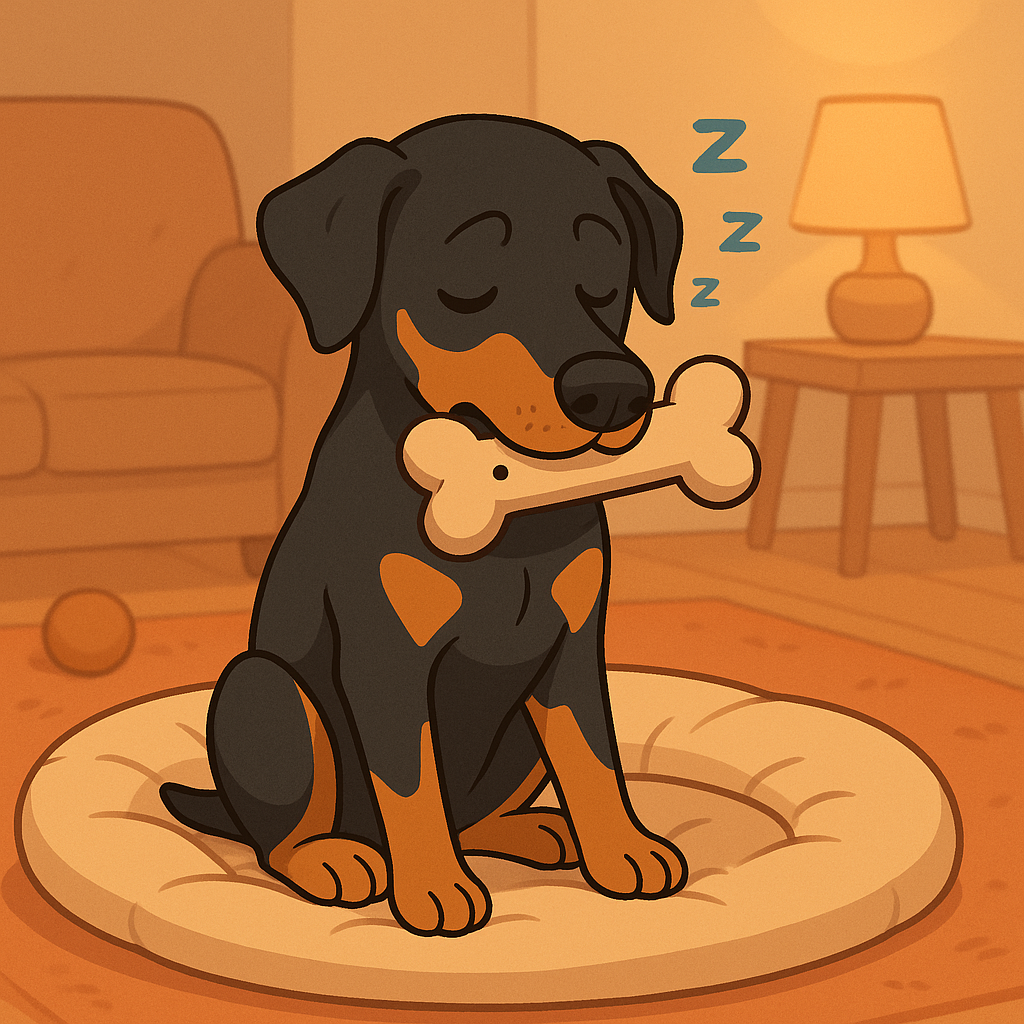
If your dog suddenly crumples mid-play, collapses at the food bowl, or seems to “fall asleep” during moments of excitement, then pops back up like nothing happened, you’re not imagining things. Your dog could be experiencing narcolepsy, a neurologic sleep–wake disorder that sometimes includes cataplexy (a sudden loss of muscle tone triggered by strong emotions like joy, food anticipation, or play). While scary to watch, narcolepsy in dogs itself isn’t typically painful or life-shortening, but it does need proper diagnosis and smart day-to-day management to keep your dog safe and happy.
Below is a clear, practical guide for owners on what narcolepsy in dogs looks like, why it happens, how vets diagnose it, treatment options, and how to set up your home and routine so your dog can thrive.
Table of Contents
Key Takeaways (TL;DR)
What it is: A brain-based sleep disorder causing excessive sleepiness and/or sudden, emotion-triggered collapse (cataplexy). Episodes are brief and dogs usually recover quickly.
Why it happens: Many cases are genetic (especially in certain breeds) due to changes in the hypocretin/orexin system, which helps regulate wakefulness; other cases are sporadic/acquired. [1]
Breeds: Familial forms have been documented in Doberman Pinschers, Labrador Retrievers, and Dachshunds, among others.
Onset: Often starts in adolescence, commonly between 4–6 months in inherited cases. [2]
Diagnosis: Based on history, videos of events, neuro exam, ruling out look-alikes (fainting, seizures), and sometimes specialized testing. [3]
Treatment: Safety/trigger management is foundational. Some dogs benefit from medications such as tricyclic antidepressants (e.g., imipramine, clomipramine) to reduce cataplexy frequency and severity (veterinarian-directed, off-label). [4]
Outlook: With good management, most dogs live normal lifespans and enjoy full, joyful lives.
What Narcolepsy in Dogs Looks Like
Typical episode pattern:
- Your dog is playing, greeting, or about to eat (high excitement).
- Suddenly, their hind legs buckle, the head/neck droops, and they may collapse to the ground.
- The dog looks floppy but awake (eyes may be open), may have brief REM-like twitches, and is quiet—no paddling, no violent muscle contractions, no loss of bladder/bowel control.
- Within seconds to a couple of minutes, the episode passes; your dog stands, shakes off, and resumes life as if nothing happened. [5]
These cataplexy episodes are distinct from seizures (no prolonged unconsciousness, no rigid paddling or post-ictal confusion) and different from fainting (syncope), which is often linked to heart rhythm problems and can involve pale gums or rapid recovery after exertion. A video of an event is pure gold for your veterinarian. [5]
Why Dogs Get Narcolepsy: The Hypocretin/Orexin Story
Deep in the brain, hypocretin (also called orexin) neurons help stabilize wakefulness. In canine narcolepsy, this system is disrupted:
- Inherited (familial) narcolepsy in breeds like Doberman Pinschers and Labrador Retrievers is caused by mutations in the HCRTR2 gene (hypocretin/orexin receptor 2). This discovery in dogs was pivotal for sleep science and mirrors mechanisms seen in people. [6]
- In some cases, hypocretin signaling is reduced or absent in the cerebrospinal fluid; in humans, CSF hypocretin-1 testing is a recognized diagnostic tool and has been studied in dogs as well. [7]
- Beyond strictly genetic cases, sporadic/acquired narcolepsy has been described in dogs, sometimes emerging later in life. The exact triggers aren’t always clear, but immune mechanisms have been explored in research. [8]
Because positive emotions (play, food anticipation, greetings) can trigger cataplexy, owners often first notice episodes at mealtime or during fetch. [5]
Breeds & Genetics
- Documented familial forms: Doberman Pinscher, Labrador Retriever, Dachshund; additional breeds can be affected sporadically. [1]
- Onset & inheritance: In inherited forms, signs often start by 4–6 months; mode of inheritance is autosomal recessive, meaning a pup must receive the mutation from both parents to be clinically affected. [2]
- Genetic testing: DNA tests exist for breed-specific variants, helping breeders avoid producing affected puppies while maintaining genetic diversity.[2]
Breeder note (for Doberman homes): At Wonder Doberman, we screen for testable conditions and plan matings to avoid producing affected puppies health comes first.
How Vets Diagnose Narcolepsy in Dogs
There’s no single “instant test” that’s used universally in general practice. Instead, veterinarians build the diagnosis through pattern recognition plus rule-outs:
- History & Video Evidence
Your description and phone videos of episodes are crucial—what your dog was doing, how long it lasted, how they looked, and how quickly they recovered. [3] - Physical & Neurologic Exam
To screen for systemic or neurologic disease that could mimic collapse. [3] - Rule-Out Tests
Depending on your dog’s age and signs, your vet may recommend bloodwork (metabolic disease), ECG/echocardiography (heart-related syncope), and sometimes imaging or other tests to rule out seizure disorders or neuromuscular disease. [5] - Specialty/Advanced Testing (select cases)
- CSF hypocretin-1 measurement is a research/tertiary-care tool more common in human sleep medicine; it’s informative but not routinely done in everyday veterinary practice. [8]
- Pharmacologic provocation (e.g., physostigmine) is historically known to exacerbate cataplexy, underscoring the cholinergic–adrenergic interplay in the condition; it’s not something owners should attempt and is not a home test. [1]
- Genetic testing: Helpful in breeds with known variants to clarify risk and inform breeding decisions (carrier vs affected vs clear). [2]
Treatment: What Actually Helps
There’s no “cure” that rewires the hypocretin system, but you can significantly improve quality of life with environmental management and, for many dogs, medication:
1) Management & Safety (Foundation)
- Trigger mapping: Track when episodes happen (food prep, doorbell, rough play). Use this to shape routines: quieter meal setups, calmer greetings, structured play with built-in breaks.
- Safe spaces: Non-slip flooring, padded beds, avoid stair access during high-excitement moments. Consider a harness (less neck risk if collapse occurs) and supervise around pools/uneven terrain.
- Predictable schedule: Many dogs do better with consistent sleep–wake cycles, exercise, and mealtimes.
- Body condition & fitness: Good fitness supports overall resilience. (Always introduce changes slowly.)
- Video log: Keep a record of episode frequency/duration to share with your vet and track progress.
2) Medications (Vet-Directed, Off-Label)
Several drug classes have been studied in narcoleptic dogs, mainly to reduce cataplexy frequency and improve wakefulness:
- Tricyclic antidepressants (TCAs) like imipramine and clomipramine have shown benefit in canine cataplexy and are among the most historically reported options. Your veterinarian will determine dosing, monitor side effects, and decide whether a trial is appropriate.[9]
- Other medications (e.g., fluoxetine, an SSRI) have been explored in small cohorts/case reports. Therapy is individualized and evidence in dogs is more limited than in humans. [9]
Important: Never start, stop, or combine behavior/neurologic medications without veterinary guidance. TCAs, SSRIs, and stimulant-type agents can interact with other drugs and require dose tailoring and monitoring.
3) What About “Human Narcolepsy” Drugs?
In people, modern narcolepsy therapy may include modafinil/armodafinil, pitolisant, solriamfetol, and oxybat(e)s to address sleepiness and cataplexy. These are not standard veterinary therapies, and evidence/guidelines for dogs are limited; any off-label use belongs strictly under a board-certified veterinary neurologist’s guidance. [10]
Living with a Dog Who Has Narcolepsy
Home setup & routines
- Meal strategies: Reduce pre-meal frenzy: prep meals out of sight, use slow-feeders or snuffle mats to lower arousal. Feed in a padded, cornered area so if collapse occurs, your dog’s head and body are supported.
- Play & training: Favor structured, moderate-arousal games (nosework, gentle fetch with pauses) over high-octane, continuous thrills. Use calm marker cues and settle behaviors.
- Grooming & vet visits: Ask teams to keep greetings low-key. Schedule appointments during your dog’s “best hour” (based on your log).
- Car safety: Use a crash-tested harness or secured crate; avoid letting your dog stand unrestrained where a sudden collapse could cause injury.
- Alone-time: Provide restful enrichment (lick mats, chew items vetted for safety) and consistent nap spots. Many narcoleptic dogs sleep more during the day; let them.
- Emergency planning: A short list on your fridge: diagnosis, meds/dose, your vet’s number, and bullet-point instructions for helpers.
Exercise & enrichment
- Keep activity regular but measured. Aerobic walks, controlled hill work on leash, scent games, and easy trick training give a balanced mix without pushing arousal into the cataplexy zone. Adjust based on your dog’s log.
Behavioral wellness
- Narcolepsy in dogs isn’t a behavior problem, but stress and frustration can raise arousal. Use predictable routines, clear communication, and humane training (reward good choices, interrupt overstimulation early, then pivot to calmer outlets).
Prognosis & Quality of Life
The good news: narcolepsy in dogs itself isn’t considered fatal. Most dogs have excellent overall prognosis with smart routines and, when needed, medication. The biggest risks are injury during an episode (stairs, hard floors, water) and the stress owners feel when episodes first appear. Once you understand triggers and have a plan, confidence grows and life gets a lot easier.
When to See the Vet (and What to Bring)
Call your vet if you notice:
- Sudden collapses, especially around food or excitement
- Excessive daytime sleepiness or abrupt sleep episodes
- Any new episodes that look different, last longer, or involve distress
Bring:
- Videos of episodes
- A timeline (first episode, frequency, duration)
- Your dog’s full diet, meds, and supplements list
- Any family history if your dog is a breed at risk
From there, your vet may manage the case or refer you to a veterinary neurologist for confirmation and tailored treatment.
For Breeders & Puppy Buyers
- Test, disclose, and plan: In breeds with known variants (e.g., Doberman, Labrador), use reputable DNA testing and plan matings to avoid producing affected puppies. In autosomal recessive conditions, pairing a carrier to a clear can avoid affected pups while maintaining genetic diversity; your program’s long-term goal may be to reduce carrier frequency responsibly. [2]
- Early owner education: Teach puppy families what narcolepsy/cataplexy looks like and what to do (protect the dog, stay calm, time the event, and let the dog recover).
At Wonder Doberman, health is our priority. We screen for genetic risks that are testable and plan breedings to never produce affected puppies.
The Science Corner (for the curious)
Hypocretin/orexin system: Discovered in the late 1990s, it stabilizes wakefulness. Landmark studies in narcoleptic Dobermans and Labradors identified mutations in the HCRTR2 receptor—an insight that transformed human sleep medicine, too. [6]
Cataplexy circuitry: Research in dogs shows adrenergic and cholinergic systems interact to shape cataplexy; blocking alpha-1 receptors can worsen attacks, while stimulating them can help: one reason some TCA medications can be effective. [9]
Developmental aspects: In genetically narcoleptic dogs, the normal developmental pattern of CSF hypocretin-1 differs from unaffected dogs, reflecting the receptor-level problem. [11]
What to Do During an Episode (Step-by-Step)
- Stay calm and prevent injury (block stairs, cushion the head if needed).
- Time the episode if you can; most last seconds to a couple of minutes.
- Avoid startling or forcefully handling—let your dog ride it out safely.
- Record a video (if safe) to show your vet.
- Log details (trigger, duration) afterward.
Seek urgent care if the episode is atypical (prolonged, distressed breathing, cyanosis, seizure-like paddling, loss of continence, or repeated clusters).
Final Thoughts
Narcolepsy in dogs is odd, unnerving, and once you know what it is very manageable. Understanding the hypocretin/orexin story explains why episodes happen; knowing the triggers helps you shape safer routines; and working with your veterinarian on treatment strategies keeps life active and joyful.
If you suspect narcolepsy, partner with your vet, bring videos, and build a plan. With insight and a few tweaks to daily life, narcoleptic dogs can run, learn, cuddle, and do all the dog things on their own delightful schedule.
References
- MSD/Merck Veterinary Manual: congenital/inherited cerebral disorders in animals (narcolepsy/cataplexy; breeds; triggers; physostigmine note). MSD Veterinary Manual
- UC Davis Veterinary Genetics Laboratory: Doberman narcolepsy variant testing; onset and inheritance. vgl.ucdavis.edu
- Diagnosis of Behavior Problems in Animals – Merck Veterinary Manual
- Treatment of cataplexy in a dog with narcolepsy – https://pubmed.ncbi.nlm.nih.gov/2925499/
- https://veterinarypartner.vin.com/apputil/project/defaultadv1.aspx?pid=24437&catid=&id=9383004&meta=&authorid=
- Classic and review research on hypocretin/orexin and canine narcolepsy (HCRTR2 mutation; pathophysiology; CSF hypocretin; medication evidence). PubMed+4Cell+4PMC+4
- https://www.nature.com/articles/s41598-018-36942-8
- https://onlinelibrary.wiley.com/doi/full/10.1111/jvim.16116
- Effects of imipramine, chlorimipramine, and fluoxetine on cataplexy in dogs – https://pubmed.ncbi.nlm.nih.gov/1035802/
- https://www.merckmanuals.com/professional/neurologic-disorders/sleep-and-wakefulness-disorders/narcolepsy
- Developmental changes in CSF hypocretin-1 (orexin-A) levels in normal and genetically narcoleptic Doberman pinschers https://pmc.ncbi.nlm.nih.gov/articles/PMC1665256/
Educational content only; not a substitute for veterinary diagnosis or treatment.