
Dangerous Outdoor Plants for Dogs: What Every Owner Should Know
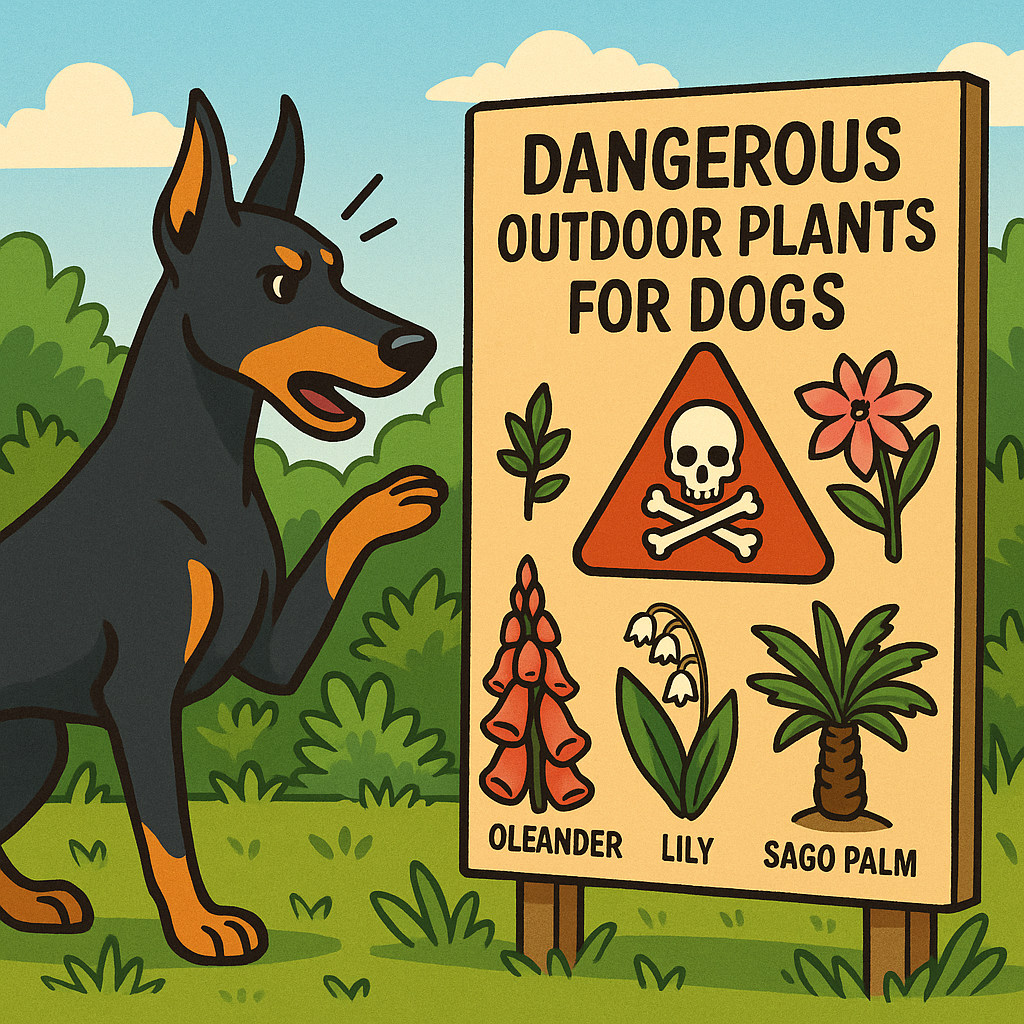
At Wonder Doberman, we believe in doing everything possible to keep our dogs safe, healthy, and thriving. While many dog owners are aware of indoor dangers, we often underestimate the hidden risks outside our homes.
From common landscaping plants to wildflowers, shrubs, decorative trees, and even seasonal holiday decorations, your yard could contain plants that are toxic or deadly to dogs.
This guide is designed to help you identify dangerous outdoor plants, understand their effects on dogs, and learn how to protect your four-legged friend.
Why Outdoor Plants Can Be So Dangerous
Dogs are naturally curious. They sniff, lick, chew, and explore their environment without understanding the risks. Unfortunately, many plants contain compounds that can harm dogs — sometimes even in small amounts.
Key reasons outdoor plants are hazardous:
- Easy access — dogs roam yards, parks, and trails freely.
- Lack of warning signs — many dangerous plants look harmless.
- Varied toxicity levels — some cause mild stomach upset, while others lead to liver failure, heart problems, or sudden death.
- Delayed symptoms — some toxins take hours or days to show effects, making diagnosis harder.
30+ Common Outdoor Plants That Are Dangerous for Dogs
To make this easier to follow, we’ve grouped plants into categories based on where dogs are most likely to encounter them.
1. Garden & Landscaping Favorites
Sago Palm (Cycas revoluta)
- Toxicity: Extremely poisonous — all parts, especially seeds.
- Effects: Vomiting, bloody diarrhea, jaundice, seizures, liver failure.
- Fatal Dose: As little as one seed can be lethal.
Oleander (Nerium oleander)
- Toxicity: Highly poisonous — common in hedges and warm-climate landscaping.
- Effects: Drooling, slowed heartbeat, tremors, collapse, and sudden death.
- Warning: Dried leaves are just as deadly.
Foxglove (Digitalis purpurea)
- Toxicity: Deadly — contains digitalis, used in heart medications.
- Effects: Abnormal heart rhythms, tremors, weakness, seizures.
Azalea & Rhododendron
- Toxicity: Very toxic — even a few leaves can poison a dog.
- Effects: Drooling, vomiting, weakness, coma, potential cardiac arrest.
Hydrangea (Hydrangea spp.)
- Toxicity: Moderate.
- Effects: Lethargy, vomiting, diarrhea; in large doses, breathing problems.
Lantana (Lantana camara)
- Toxicity: Highly poisonous decorative shrub.
- Effects: Weakness, loss of appetite, vomiting, liver failure.
2. Shrubs & Ornamental Trees
Yew Trees (Taxus spp.)
- Toxicity: Extremely toxic — needles, seeds, and bark.
- Effects: Tremors, collapse, sudden cardiac arrest.
- Warning: Death can occur within hours.
Japanese Yew (Taxus cuspidata)
- Same as above but even more concentrated toxins.
Boxwood (Buxus spp.)
- Toxicity: Moderate to severe.
- Effects: Diarrhea, vomiting, seizures.
Wisteria
- Toxicity: Seeds and pods are highly toxic.
- Effects: Abdominal pain, vomiting, dehydration, collapse.
3. Flowering Plants & Bulbs
Lily of the Valley (Convallaria majalis)
- Toxicity: Severe — contains cardiac glycosides.
- Effects: Vomiting, irregular heartbeat, collapse.
Tulips (Tulipa spp.)
- Toxicity: Bulbs most dangerous.
- Effects: Drooling, stomach upset, lethargy.
Daffodils (Narcissus spp.)
- Toxicity: Bulbs and flowers are toxic.
- Effects: Nausea, diarrhea, low blood pressure, convulsions.
Autumn Crocus (Colchicum autumnale)
- Toxicity: Extremely poisonous.
- Effects: Bloody vomiting, organ failure, bone marrow suppression.
Morning Glory (Ipomoea spp.)
- Toxicity: Mild to severe, depending on species.
- Effects: Hallucinations, tremors, vomiting.
4. Wild Plants & Forest Dangers
Poison Hemlock (Conium maculatum)
- Toxicity: Deadly — contains neurotoxins.
- Effects: Muscle tremors, paralysis, respiratory failure.
Death Camas (Zigadenus spp.)
- Toxicity: Highly poisonous.
- Effects: Vomiting, slow heartbeat, seizures, coma.
Wild Mushrooms
- Toxicity: Some species are deadly.
- Effects: Neurological damage, kidney failure, seizures.
Milkweed (Asclepias spp.)
- Toxicity: Mild to severe.
- Effects: Weakness, drooling, digestive upset, rapid heart rate.
5. Seasonal Outdoor Decorations
Poinsettias (Euphorbia pulcherrima)
- Toxicity: Moderate but dangerous for sensitive dogs.
- Effects: Irritation, vomiting, difficulty breathing.
- Case Study:
One of our adopters lost a young Dog after poinsettias were placed in their yard during the holidays. The dog only sniffed the plant — no chewing — but days later, he developed breathing issues. Despite emergency care, his lungs filled with pus, and he tragically passed away.
Full List of Other Dangerous Outdoor Plants
- Angel’s Trumpet (Brugmansia spp.)
- Bird of Paradise (Strelitzia reginae)
- Crown of Thorns (Euphorbia milii)
- Golden Dewdrop (Duranta erecta)
- Heavenly Bamboo (Nandina domestica)
- Sweet Pea (Lathyrus odoratus)
- Delphinium (Delphinium spp.)
- Lupines (Lupinus spp.)
- Philodendron (Philodendron spp.)
Symptoms of Plant Poisoning in Dogs
Watch for:
- Drooling or foaming
- Vomiting or bloody diarrhea
- Difficulty breathing
- Tremors or seizures
- Pale gums or sudden weakness
- Collapse or coma
Diagnosis & Treatment
What Vets Do
- Full physical exam
- Blood tests for organ damage
- Imaging if blockages suspected
- Activated charcoal to bind toxins
- IV fluids and medications
- Anti-seizure or anti-arrhythmic drugs in severe cases
Early treatment saves lives — don’t wait for symptoms to worsen.
How to Protect Your Dog
Preventing plant-related poisoning is always better than treating it. Dogs are naturally curious, and while we can’t control every sniff or chew, we can create a safer environment for them. Below is a step-by-step prevention plan to help you keep your Doberman — and any dog — safe.
1. Research Every Plant Before Planting
Before adding anything new to your yard, double-check whether it’s safe for dogs. Many beautiful landscaping favorites, shrubs, and decorative flowers are actually toxic.
How to research properly:
- Use reputable sources:
- ASPCA’s Toxic Plants Database
- Veterinary poison control websites
- University agricultural extension lists
- Check all parts of the plant: Sometimes, only certain parts are toxic. For example:
- Tulips → bulbs are most dangerous
- Hydrangeas → leaves and buds contain toxins
- Sago palm → seeds are deadly, but even the leaves are unsafe
- Beware of seasonal plants: Poinsettias, holly, and mistletoe often appear during holidays but are dangerous if sniffed or chewed.
Pro Tip: Keep a “safe plants” list handy when shopping at garden centers. Many nurseries don’t label toxicity warnings, so it’s up to you to verify.
2. Choose Dog-Safe Landscaping
If you’re redesigning your yard, prioritize non-toxic plants. Luckily, there are plenty of safe, beautiful options.
Dog-friendly outdoor plant examples:
- Herbs: Basil, rosemary, thyme, and parsley
- Flowers: Marigolds, sunflowers, petunias, snapdragons
- Shrubs: Bamboo palm, camellia, bottlebrush
- Ground cover: Creeping thyme, clover, or Irish moss
Avoid these common landscaping mistakes:
- Planting thorny shrubs like roses or barberries near play areas — injuries can happen.
- Using fertilizers, mulch, or weed killers without checking dog safety — cocoa mulch, for example, is toxic.
- Adding decorative mushroom kits — some varieties are lethal if ingested.
Pro Tip: When in doubt, consult your landscaper and specifically request dog-safe designs.
3. Supervise Outdoor Play
Even if your yard is fenced and “dog-proofed,” supervision matters — especially for young, curious Doberman puppies.
Best practices:
- Watch closely during yard time, especially near flower beds or hedges.
- Use a long lead for partial freedom while maintaining control.
- Teach a strong “leave it” command. This single skill can save lives when your dog approaches something dangerous.
- Rotate toys and add enrichment to keep them focused on safe activities instead of plants.
Pro Tip: Tired dogs get into less trouble. Provide structured play and training before letting them roam unsupervised.
4. Remove Toxic Wild Plants if Possible
Yards and walking paths can quickly become overgrown with invasive weeds, poisonous berries, and wild mushrooms. Some species spread fast, so regular maintenance is critical.
What to remove immediately:
- Wild mushrooms — especially after rain.
- Poison hemlock and water hemlock — extremely toxic.
- Milkweed — dangerous if chewed.
- Nightshade berries — often grow unnoticed along fences.
- Datura (Jimsonweed) — causes hallucinations and seizures.
Pro Tip: Always wear gloves when removing unknown plants. Some toxins can irritate your skin and transfer to your dog if touched.
5. Inspect Your Yard Weekly
Storms, wind, and seasonal changes can introduce new hazards overnight. New wild plants, fallen branches, and exposed bulbs are common after heavy weather.
Weekly yard safety checklist:
- Walk your yard slowly and scan for new growth.
- Look for broken branches — some toxic trees (e.g., yew, cherry, or black walnut) can drop dangerous parts after storms.
- Check mulch, compost piles, and planters for exposed bulbs or berries.
- Search shaded areas where wild mushrooms tend to thrive.
Pro Tip: Take photos of unfamiliar plants and use plant ID apps or bring them to your local nursery to confirm safety.
6. Keep Emergency Vet Contacts Handy
Even the most careful owners can’t prevent every accident. If your dog chews, licks, or even sniffs a toxic plant, time matters.
What to prepare in advance:
- Save your veterinarian’s phone number in your contacts.
- Locate the nearest 24/7 emergency animal hospital.
- Canada – Québec & Nationwide:
Centre Antipoison Animal du Québec (CAPAQ)
Phone: 1-800-463-5060 (24/7 emergency service) - United States:
ASPCA Animal Poison Control Hotline
Phone: 1-888-426-4435 (24/7 emergency service) - If you’re traveling outside Canada or the U.S., look up your regional veterinary poison control center ahead of time.
Pro Tip: Keep a dedicated “poison emergency kit” at home that includes:
- Hydrogen peroxide (only if your vet instructs to induce vomiting)
- Activated charcoal (if prescribed)
- Bottled water and a syringe for rinsing your dog’s mouth
- A Ziploc bag to collect any plant material for identification
Final Warning
The best protection for your Doberman is a combination of research, prevention, and supervision. By being proactive, you can significantly reduce the risk of accidental poisoning and keep your dog safe to explore, play, and enjoy your yard.
This guide covers many dangerous outdoor plants, but not all.
Before adding any new plant to your yard or garden, double-check its safety.
When in doubt, choose plants known to be safe for dogs — your Doberman’s life may depend on it.