
Eye Infections in Dogs: What Every Dog Owner Needs to Know
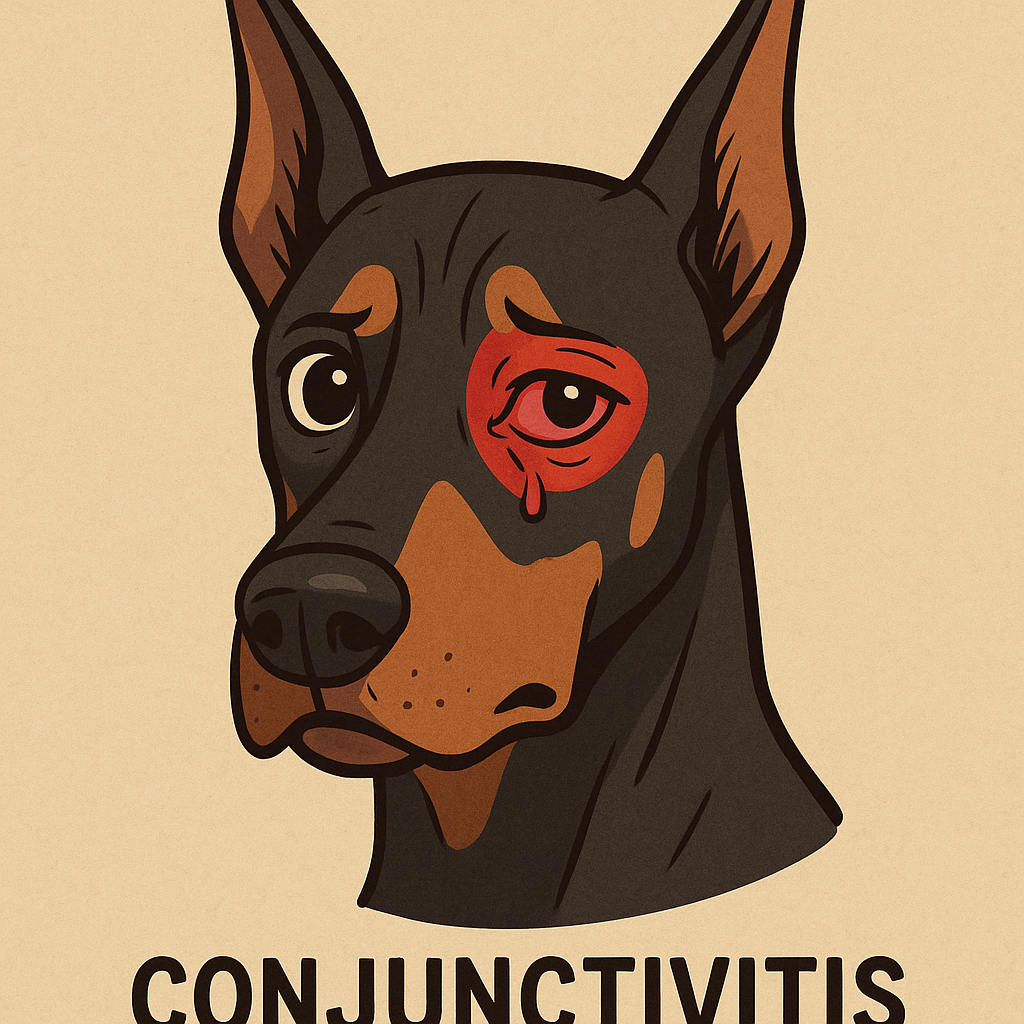
When it comes to your dog’s health, few things are as easy to overlook — yet potentially dangerous — as an eye infection. At Wonder Doberman, we believe in proactive care, clear education, and fast action when something seems off with your canine companion. Dog eye infections may seem minor at first, but left untreated, they can lead to pain, vision loss, and even permanent damage.
In this post, we’ll explore everything you need to know about eye infections in dogs: the types, causes, symptoms, treatment options, when to consult a vet, home remedies, and the serious complications that can arise from delay.
Let’s make sure your dog’s eyes stay bright, healthy, and infection-free.
Table of Contents
Why Dog Eye Infections Are Serious
Dogs rely heavily on their sense of sight for interpreting their environment. Although their sense of smell is dominant, healthy vision helps your dog:
- Navigate their surroundings
- Avoid hazards
- Read your body language and signals
- Engage in training and dog sports
An untreated eye infection can lead to discomfort, behavioral changes, and in the worst cases, blindness. Since eye infections often worsen rapidly, early detection and intervention are key to protecting your dog’s vision.
Common Types of Dog Eye Infections
1. Bacterial Conjunctivitis
This is one of the most common forms of dog eye infections. It occurs when bacteria invade the conjunctiva — the pink tissue around the eye.
Causes: Injury, irritants (e.g., dust, debris), or secondary to other infections.
Symptoms: Yellow or green discharge, red or swollen eyes, squinting.
Treatment: Antibiotic eye drops or ointments prescribed by a vet.
2. Viral Conjunctivitis
Viral conjunctivitis can be caused by several viruses, including canine distemper and canine herpesvirus.
Causes: Viral infections, often in puppies or dogs with weak immune systems.
Symptoms: Watery discharge, redness, fever, cough, or nasal discharge.
Treatment: Supportive care, antiviral medications in some cases, and managing secondary infections.
3. Fungal Eye Infections
Rare but serious, these infections can damage the cornea and deeper tissues.
Causes: Fungi entering the eye through injury or contaminated environments.
Symptoms: Persistent inflammation, cloudy cornea, swelling, discharge.
Treatment: Antifungal medication, sometimes surgical intervention if severe.
4. Allergic Conjunctivitis
This is not an infection, but it’s often mistaken for one due to the similar symptoms.
Causes: Pollen, mold, dust mites, food allergies.
Symptoms: Red eyes, watery discharge, rubbing or pawing at the eyes.
Treatment: Identifying and removing allergens, antihistamines, or steroid eye drops.
Tip: Check our dedicated post on seasonal allergies in dogs here.
5. Uveitis
This is inflammation of the uvea (middle layer of the eye), and it can be a symptom of systemic illness.
Causes: Autoimmune disease, trauma, infections, or cancer.
Symptoms: Eye pain, cloudiness, squinting, pupil size changes.
Treatment: Requires immediate veterinary attention, often with corticosteroids and pain management.
6. Keratitis
This involves inflammation of the cornea and can be infectious or non-infectious.
Causes: Trauma, viruses, dry eye, or corneal ulcers.
Symptoms: Squinting, corneal cloudiness, tearing.
Treatment: Depends on the underlying cause—antibiotics, antivirals, or lubricating drops.
7. Dry Eye (Keratoconjunctivitis Sicca)
This condition results from reduced tear production and often leads to secondary infections.
Causes: Immune-mediated destruction of tear glands, breed predisposition, or medications.
Symptoms: Thick mucus discharge, red eyes, dull or cloudy cornea.
Treatment: Tear-stimulating medications, artificial tears, and monitoring for infection.
8. Corneal Ulcers
Ulcers are open wounds on the cornea and can develop from untreated eye infections or trauma.
Causes: Scratches, foreign bodies, chemical irritation.
Symptoms: Squinting, severe redness, eye held shut, visible ulcer under staining.
Treatment: Antibiotics, pain relief, protective collars; sometimes surgery.
9. Tear Duct Infections (Dacryocystitis)
Tear duct infections cause drainage issues and recurrent eye inflammation.
Causes: Blocked tear ducts, foreign objects, facial injuries.
Symptoms: Discharge from the inner eye corner, swelling, excessive tearing.
Treatment: Flushing of tear ducts, antibiotics, and removal of any foreign material.
Causes of Eye Infections
Dog eye infections can stem from a wide range of issues:
- Environmental irritants (dust, smoke, wind, pollen)
- Foreign bodies (grass seeds, splinters)
- Injury or trauma (scratches, fights)
- Autoimmune disorders
- Underlying illness (distemper, Lyme disease)
- Breed predisposition (e.g., Pugs, Bulldogs)
- Poor hygiene or grooming (especially around the eyes)
Symptoms to Watch For
Always observe your dog closely. Signs of an eye problem include:
- Redness or swelling
- Eye discharge (clear, yellow, green, or thick)
- Excessive tearing
- Squinting or keeping one eye closed
- Rubbing or pawing at the eyes
- Sensitivity to light
- Cloudiness in the eye
- Visible injury or ulcer
- Crusting around the eyelids
- Change in pupil size
If your dog shows any of these signs, it’s time to take action.
When to See the Vet
You should contact your vet within 24–48 hours of spotting symptoms — even if they seem minor.
However, go immediately if:
- Your dog is holding the eye closed
- The discharge is thick or green
- The eye appears cloudy
- There’s evidence of trauma
- Your dog is in visible pain or acting differently
- There’s a sudden change in vision or pupil size
Delaying care can lead to complications that are harder – or impossible – to reverse.
Home Remedies for Mild Eye Irritations
For mild cases or while waiting for a vet appointment, you can try the following temporary, non-medical interventions to soothe your dog’s eye and potentially prevent things from worsening.
These remedies are not cures and should never replace veterinary care for infections that worsen or persist beyond 24–48 hours.
1. Saline Eye Wash
Use a sterile saline solution (not contact lens solution) to gently rinse the eye. This helps flush out pollen, dust, and minor irritants.
How to use:
- Wash your hands thoroughly
- Use a clean dropper or syringe
- Tilt your dog’s head slightly and gently flush the eye
- Repeat 2–3 times a day
2. Warm Compress
A warm (not hot) compress can reduce swelling, soothe irritation, and help loosen crust or discharge.
How to use:
- Soak a clean, soft cloth in warm water
- Wring out excess water
- Hold it gently against the eye for 5 minutes
- Repeat 2–3 times daily as needed
3. Chamomile Tea Compress (Optional)
Chamomile has mild anti-inflammatory and calming properties.
How to use:
- Brew a chamomile tea bag and allow it to cool completely
- Place the cooled tea bag over the closed eye
- Leave in place for 2–3 minutes
- Use a fresh tea bag for each eye to avoid spreading bacteria
4. Room Temperature Milk Wash
Plain whole milk at room temperature has gentle antibacterial properties due to the natural enzymes and fats it contains. It can soothe irritation, clean discharge, and help with very mild infections.
How to use:
- Use fresh, plain cow’s milk (unflavored, unsweetened, not plant-based)
- Let it sit until it reaches room temperature
- Soak a cotton pad or soft cloth in the milk
- Gently wipe around the eye and allow a few drops to enter the eye
- Use separate cotton for each eye
- Repeat 1–2 times a day for no more than 48 hours
Many old-school breeders and even some vets use this remedy as a first step, especially for puppies with slight eye irritation.
Very Important:
Never use the following on your dog’s eyes without veterinary guidance:
- Human eye drops (Visine, Clear Eyes, etc.)
- Hydrogen peroxide
- Apple cider vinegar
- Essential oils
- Antibiotics not prescribed for the eye
These substances can irritate, damage, or even blind your dog if used incorrectly.
Veterinary Treatments for Dog Eye Infections
After diagnosing the specific condition, your vet may prescribe:
- Antibiotic drops or ointments
- Antiviral or antifungal medications
- Pain relievers or anti-inflammatories
- Artificial tears or lubricants
- Steroids (only if no corneal ulcers are present)
- Eye flushing or surgical procedures for blockages or ulcers
- Elizabethan collar (cone) to prevent scratching
Treatment may last from a few days to several weeks, depending on severity. Always complete the full course of medication.
What Happens If You Wait Too Long?
Delaying treatment can cause:
- Chronic eye infections
- Deep corneal ulcers
- Scarring of the eye
- Loss of vision (partial or complete)
- Permanent dry eye
- Eye rupture or loss
- Spread of infection to the brain (in rare but serious cases)
- Behavioral changes due to chronic discomfort
Some damage may be irreversible. In severe cases, the only option is surgical removal of the eye (enucleation). Catching infections early is the only way to prevent suffering and save your dog’s vision.
Eye Health Tips for Dobermans and All Breeds
Dobermans are not particularly prone to eye infections, but their active lifestyle means they are at risk for trauma, dust, and allergies. Keep your Doberman’s eyes healthy with:
- Routine vet checkups
- Regular grooming and cleaning around the eyes
- Avoiding chemical or perfumed cleaning products near them
- Using goggles for adventure dogs (e.g., biking or ATV rides)
- Avoiding letting your dog hang their head out the car window
- Watching for changes after forest walks, windstorms, or dusty days
If you have a Albinos, white or light-eyed Doberman, pay extra attention — they’re more sensitive to sun and irritants.
Final Thoughts & Disclaimer
At Wonder Doberman, we’ve seen how small issues can quickly become major ones when it comes to the eyes. While a little discharge or redness may seem minor, it’s never worth the risk to wait too long.
If your dog’s eyes look painful, swollen, or unusual — don’t guess. Call your vet.
Disclaimer:
This blog post is for informational purposes only and should not be considered medical advice. Always consult a licensed veterinarian for diagnosis and treatment of your dog’s health conditions. Home remedies are meant for temporary relief only and are not a substitute for professional care.
Let your dog see the world clearly. A few moments of caution today can save a lifetime of vision tomorrow.
If you found this post helpful, share it with a fellow dog lover — and check out our other health and training guides here at Wonder Doberman.