
Vitiligo in Dogs: What It Is, What It Isn’t, and How to Care for It
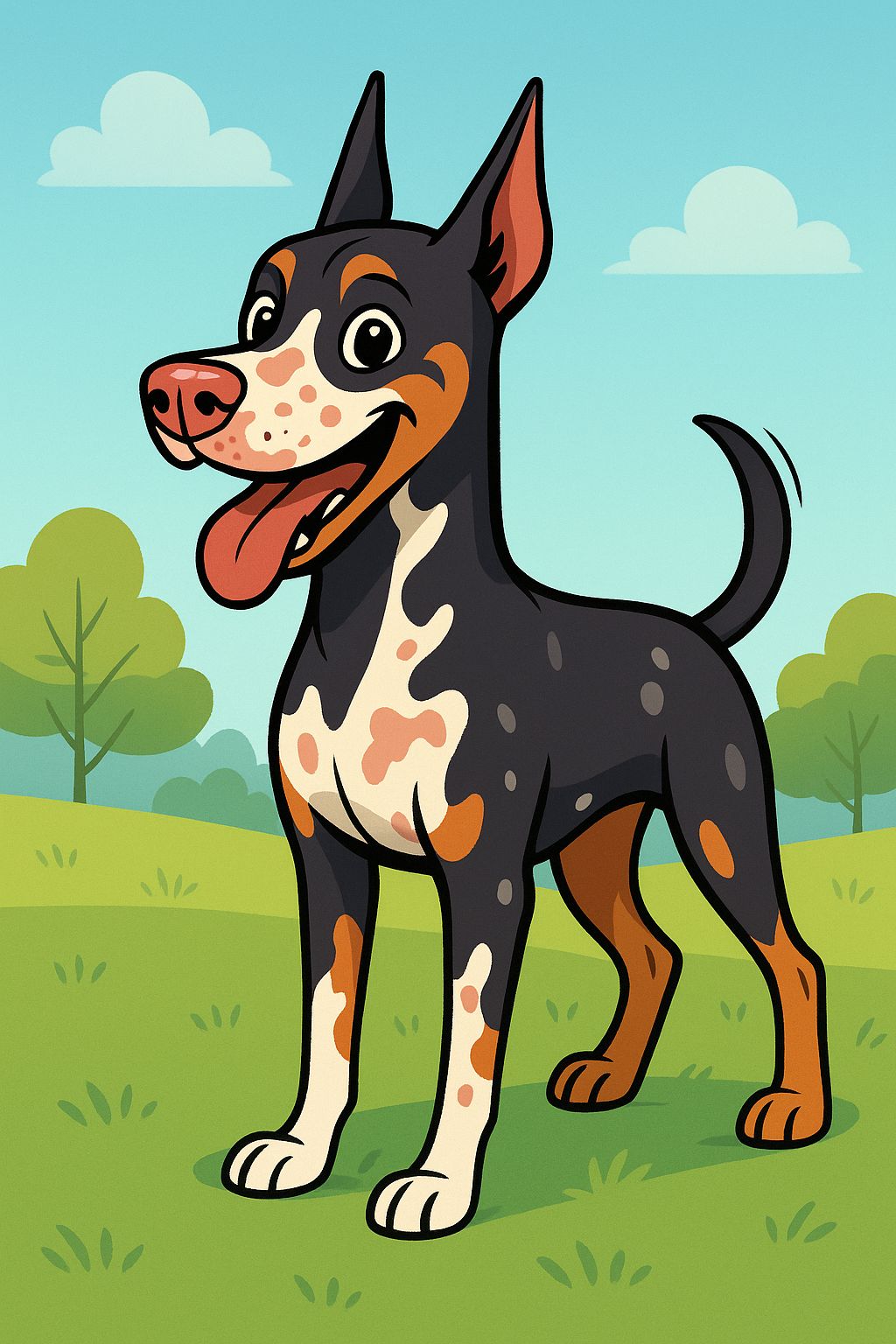
(Quick note: people often misspell it as “vertiligo.” The correct term is vitiligo.)
If your dog’s black nose is turning pink, or patches of fur are going white without any signs of itch or pain, you’re probably worried and searching. The good news: vitiligo in dogs is usually a cosmetic condition that doesn’t hurt or itch and rarely affects quality of life. That said, there are a few important caveats and look-alikes you should know, plus smart ways to protect depigmented skin.
This guide walks you through the signs, causes, diagnosis, care, and special considerations for breeders and owners, especially of predisposed breeds like Doberman Pinschers, Rottweilers, and Belgian Tervurens.
Table of Contents
Key Takeaways
Vitiligo is the loss of skin and/or hair pigment caused by the disappearance or dysfunction of melanocytes (pigment cells). In dogs, it’s uncommon and typically benign.
Typical onset is young adulthood but can occur at any age. Common sites: face, lips, nose (planum nasale), and periocular skin; hair can also turn white (leukotrichia).
Dobermans are among breeds reported with a predisposition. (Check our post on accepted by the breed standard colors here )
It’s not contagious and generally painless, and many cases are managed with “benign neglect” plus sun protection on pink skin.
Important look-alikes (some urgent) include uveodermatologic syndrome (UDS), discoid lupus, solar dermatitis, zinc-responsive dermatosis, and infections. A vet exam and sometimes a skin biopsy rules these in or out.
What Vitiligo in Dogs Looks Like
You’ll notice sharply demarcated pale or white patches on normally pigmented skin (leukoderma) and sometimes white hair in those areas (leukotrichia). Many owners first spot changes on the nose leather, lips, muzzle, or around the eyes. In some dogs, depigmentation remains patchy; in others, it can spread gradually and then stabilize. The underlying skin stays normal in texture: no swelling, crusting, or ulceration attributable to vitiligo itself.
In Dobermans and several other breeds, published descriptions highlight facial and oral depigmentation that may progress to a more generalized pattern, without itching or pain.
What Causes Vitiligo in Dogs?
The exact cause in dogs isn’t fully pinned down, but research and clinical texts point to autoimmune targeting of melanocytes in many cases, and familial/genetic tendencies in certain breeds. It’s not an infection and not caused by a nutrient deficiency in otherwise balanced diets.
In human medicine, vitiligo sometimes travels with other autoimmune diseases (e.g., thyroid disease), and rare associations are reported in veterinary literature too (for example, with hypoadrenocorticism in isolated reports). That said, most dogs with vitiligo are otherwise healthy. Your vet will decide if any screening labs are worthwhile based on the big picture.
Is Vitiligo in Dogs Harmful?
Generally, no. Veterinary manuals note no associated systemic illness and often recommend no medical treatment unless there’s another skin or eye disease present. The main practical concern is that depigmented skin (especially on the nose) is more vulnerable to sun damage, so sun-smart habits matter.
Conditions That Mimic Vitiligo in Dogs
Several skin/eye disorders can look like vitiligo early on but behave very differently. Here are the big ones your veterinarian thinks about:
- Uveodermatologic Syndrome (UDS, VKH-like): An immune disease that targets melanocytes in the eyes and skin. Skin depigmentation can resemble vitiligo, but the eye inflammation can cause blindness without prompt immunosuppressive treatment. If your dog has squinting, redness, vision changes, or pupil abnormalities along with pigment loss, that’s an urgent exam. Veterinary Practice+1
- Discoid Lupus Erythematosus (DLE): Immune disease of the nasal planum that causes depigmentation plus surface change—loss of the cobblestone texture, redness, erosions/ulcers, and crusting that worsen with sunlight. This needs diagnosis and management to prevent progression and reduce cancer risk on chronically damaged skin.
- Nasal Solar Dermatitis (“collie nose”): Sun-induced inflammation on lightly pigmented noses; can cause erythema, crusting, and, over time, serious damage—sometimes confused with lupus. Sun avoidance and protection are crucial.
- Idiopathic nasal depigmentation (“snow nose”) and Dudley nose: Cosmetic pigment changes of the nose without inflammation.
- Zinc-responsive dermatosis, mucocutaneous pyoderma, fungal/other infections, neoplasia: May involve depigmentation and texture changes, discharge, swelling, or pain. These are diagnosed by exam, cytology, cultures, and biopsy as indicated.
Because the differentials range from harmless to urgent, that first vet visit mattersespecially when lesions are new, spreading, or symptomatic.
How Vets Diagnose Vitiligo
Diagnosis is a mix of history and clinical appearance: well-demarcated depigmentation without inflammation in a comfortable dog. If there’s any doubt or if other diseases are possible, your vet may recommend a skin biopsy to look for the loss of melanocytes and to exclude lupus, UDS, or other pathology. Eye exams are warranted if there are any ocular signs or if UDS is suspected.
Living With Vitiligo: Care & Management
1) Sun Protection (Most Important Day-to-Day Step)
Depigmented skin, especially on the nose, lips, eyelids, and thinly haired areas—burns more easily. Use a pet-specific sunscreen and avoid human products containing zinc oxide or PABA, which are considered toxic if ingested. Apply before outdoor time, reapply as directed, and pair with shade, limited midday sun (10 a.m.–3 p.m.), and UV-protective gear if needed.
Why avoid zinc oxide if dogs might lick it? Guidance from the AKC and ASPCA emphasizes no zinc oxide/PABA in canine sunscreen to prevent toxicity risk from ingestion; pick vet-approved, dog-labeled products instead of improvising with human sunscreens.
Also remember: solar dermatitis on depigmented nasal skin can worsen other immune conditions and (with chronic damage) contribute to cancer risk—so the sun care is not just cosmetic.
2) “Benign Neglect” and Monitoring
Because vitiligo itself is painless and generally harmless, many dermatologists advise no active medical therapy—just protect from sun and monitor. Photos every 1–2 months help you track changes. If new symptoms (redness, scaling, erosions, eye signs) appear, recheck promptly.
3) When Treatment Is Considered
When owners seek cosmetic improvement, or when a trial may help repigment small areas (especially the face), dermatologists sometimes try topical anti-inflammatories (e.g., tacrolimus or mild corticosteroids), phototherapy, and in select cases L-phenylalanine adjuncts. Evidence in veterinary patients is limited, responses are variable/partial, and relapse can occur; many cases also spontaneously stabilize or partially repigment. Discuss realistic expectations with a board-certified dermatologist.
Special Notes for Dobermans and Other Predisposed Breeds
Multiple references list Doberman Pinschers among breeds with reported predisposition to vitiligo. That doesn’t make it common, but it does mean Doberman owners should be aware of the pattern—painless facial/oral depigmentation that may extend to hair whitening over time, often stabilizing after the initial spread.
For breeders:
- Vitiligo is cosmetic and not a temperament or performance issue.
- Because autoimmunity underlies several canine skin disorders, it’s sensible to track family history of immune diseases. A single, stable vitiligo case in an otherwise robust line is not the same as multiple autoimmune issues stacking up in close relatives.
- Prioritize health, soundness, and stable character; don’t select for depigmentation patterns, and avoid repeating breedings where autoimmune clusters are appearing.
FAQs
Q: Is vitiligo contagious?
No. It’s not an infection and cannot be “caught” from another pet.
Q: Does it hurt or itch?
Vitiligo is typically asymptomatic—no pain or itch. If your dog is uncomfortable, look for another cause and see your vet.
Q: Will diet or supplements fix it?
There’s no proven diet that reverses vitiligo. Keep your dog on a balanced, complete diet; talk with your vet before trying supplements. Some dermatologists may trial L-phenylalanine with other modalities for cosmetic repigmentation, but evidence is limited.
Q: Can it affect the eyes?
Vitiligo itself doesn’t, but UDS can affect both skin pigment and the eyes and can threaten vision. If you see eye redness, squinting, cloudiness, or vision changes along with depigmentation, that’s urgent.
Q: How is it different from “snow nose”?
Snow nose (seasonal nasal hypopigmentation) lightens the nose seasonally without inflammation or broader skin involvement and often waxes and wanes. Vitiligo can extend beyond the nose to skin and hair; patterns vary by dog.
Q: Could it be lupus or something serious?
Possibly—that’s why the first exam matters. Lupus and some cancers can start with pigment loss but add texture changes (ulcers, crusts, bleeding) and need treatment. Your vet will use history, exam, and testing/biopsy if needed to sort it out.
A Simple Home Care Checklist
Document: Take clear photos monthly to track changes.
Protect: Use pet-specific sunscreen (no zinc oxide/PABA), avoid midday sun, and provide shade or UV clothing if needed.
Observe: Watch for new symptoms—redness, erosions, crusting, pain, or any eye signs—and book a recheck if they appear.
Partner: If cosmetic treatment is important to you, consult a dermatology specialist to discuss realistic options.
Bottom Line
For most dogs, vitiligo is a cosmetic quirk, not a crisis. The priorities are accurate diagnosis (to rule out look-alikes like UDS or lupus), sun-smart care for pink skin, and realistic expectations: many cases stabilize, some partially repigment, and active treatments have variable success. If you share your life with a Doberman or another predisposed breed, knowing these patterns helps you act confidently and avoid unnecessary worry.