
Tricks to Welcome a Doberman Puppy Into Your Home: The Complete Guide
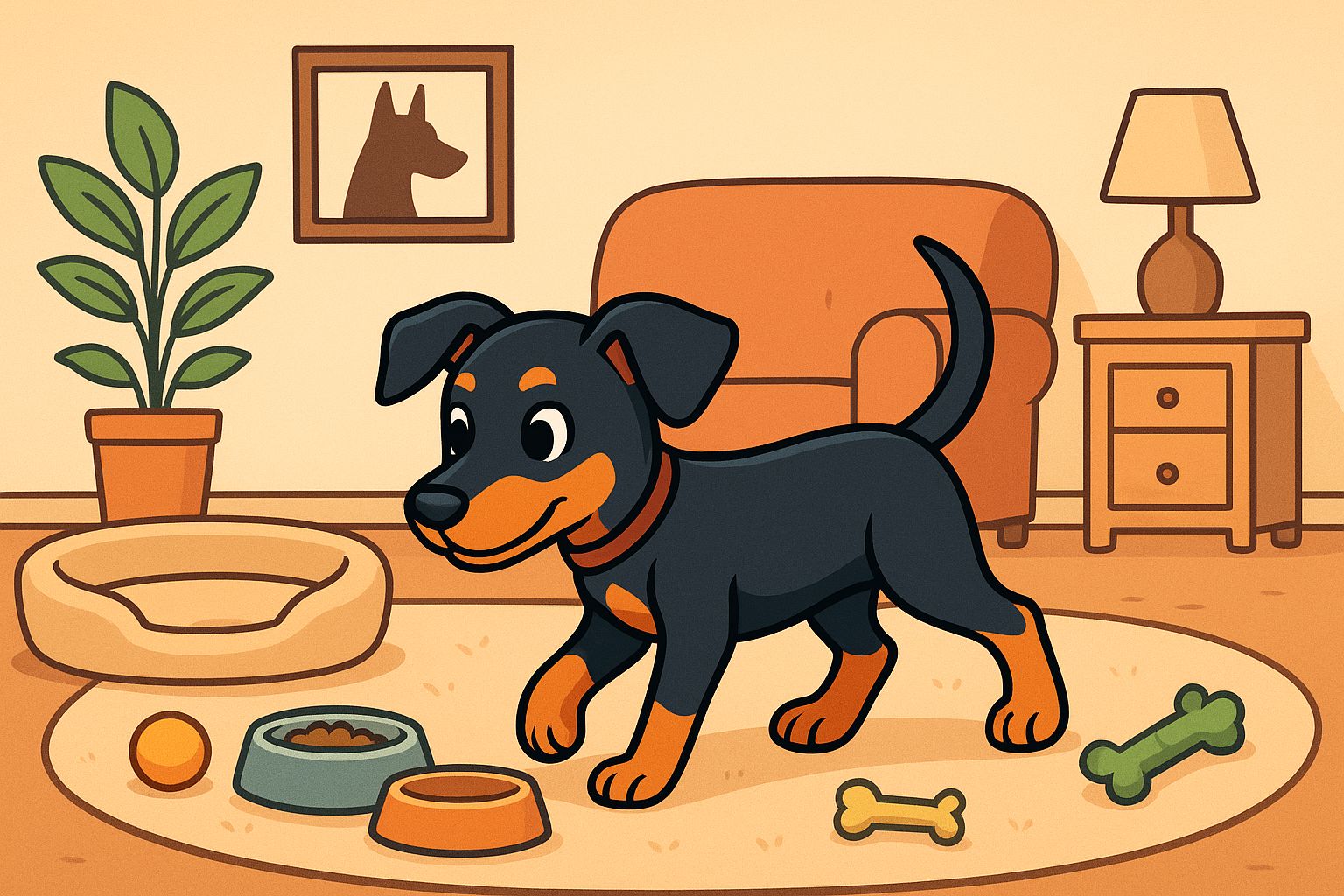
Bringing home a Doberman puppy is one of the most exciting and life-changing experiences you’ll ever have. These puppies are not only striking in appearance but also intelligent, loyal, and eager to bond with their families. But as with any working breed—especially one as sensitive and powerful as the Doberman—those first weeks at home matter more than most people realize.
Welcoming a Doberman puppy requires more than just love and excitement. It requires preparation, patience, structure, and an understanding of the breed’s unique needs. If you do it right, you set the foundation for a balanced, confident, and happy adult Doberman. If you skip steps or underestimate what it means to raise a Doberman, you might end up with a frustrated or unruly dog.
This guide goes in-depth—covering tricks, tips, and strategies to help you prepare your home, introduce your Doberman puppy to family life, and start building that lifelong bond.
Why Doberman Puppies Are Special
Before we dive into the tricks and tips, it’s worth understanding what makes Doberman puppies different from other breeds.
- Intelligence: Dobermans rank among the top five smartest breeds in working and obedience intelligence. This means they learn quickly—but also that they learn everything you teach them, intentionally or not.
- Sensitivity: They are often called “velcro dogs” because they thrive on human connection. A Doberman left isolated or raised without structure can develop anxiety or destructive habits.
- Energy and Drive: Bred originally for personal protection, they’re athletic, alert, and thrive when given a job to do—even if that “job” is obedience training or agility.
- Strong Bonding Instinct: From puppyhood, a Doberman naturally attaches to their humans. This is wonderful but can also lead to separation anxiety if not managed correctly.
Because of these traits, your puppy’s first experiences at home will shape who they become.
Step 1: Preparing Your Home Before Puppy Arrives
One of the biggest “tricks” to welcoming a Doberman puppy smoothly is to prepare before the puppy even sets paw in your house.
Puppy-Proofing
Doberman puppies are curious, mouthy, and fast. What looks harmless to you might be a serious hazard to them.
- Wires and Cords: Secure or cover electrical cords—puppies will chew.
- Shoes, Clothes, and Kids’ Toys: Put them out of reach unless you want them shredded.
- Houseplants: Many common houseplants are toxic to dogs (philodendron, aloe, lilies, etc.).
- Trash Bins: Use lidded, heavy trash bins or keep them in cabinets.
- Sharp Corners and Stairs: Consider baby gates if your home has dangerous stairs.
Designating Puppy Spaces
Your Doberman puppy will feel safer and more confident if they have a few designated areas:
- Crate: A properly sized crate is not cruel—it’s a safe den. Crate training prevents accidents, protects your puppy from hazards, and teaches independence.
- Playpen or Gated Area: Gives your puppy freedom while keeping them contained.
- Potty Area: Decide before the puppy comes home whether you’ll train them on pads, grass patches, or straight outside. Consistency is key.
Shopping Checklist
Have these essentials ready:
- Crate (with divider for growing puppy)
- Stainless steel food and water bowls
- High-quality puppy food (ideally recommended by your breeder)
- Collar, leash, and ID tag
- Safe chew toys (Kong, Nylabone, etc.)
- Puppy pads or cleaning supplies (enzymatic cleaners are a must)
- Grooming kit (brush, nail clippers, puppy shampoo)
- A comfortable bed
Step 2: The First Day—Setting the Tone
Your Doberman’s first day at home sets the tone for the relationship. Here’s how to do it right:
Keep It Calm
It’s tempting to overwhelm your new puppy with cuddles, toys, and introductions to friends. Resist the urge. Too much stimulation can frighten them. Instead:
- Give them time to explore one room at a time.
- Introduce family members slowly, one by one.
- Keep voices calm and gentle.
Potty First
Before entering your home, take your puppy outside to the designated potty spot. Praise them warmly if they go. This begins house training right away.
Introduce the Crate
Don’t just shove your puppy inside. Instead:
- Leave the crate door open with a blanket and toy inside.
- Toss a treat in and let them enter voluntarily.
- Praise calm behavior in or near the crate.
First Night Trick
The first night is often the hardest. Puppies miss their littermates and may cry. A trick to ease them:
- Place the crate near your bed so they don’t feel alone.
- Put a ticking clock or a puppy heartbeat toy nearby to mimic the sound of their litter.
- Use a worn t-shirt of yours for comfort (but make sure they can’t chew it up).
Step 3: Early Training and Structure
With Dobermans, training begins the moment you bring them home.
House Training Trick
Take your puppy out:
- First thing in the morning
- After eating or drinking
- After playtime
- Before bed
Always praise and reward immediately after they go outside.
Basic Commands
Start with:
- Sit
- Down
- Come
- Stay
- Leave it
Keep sessions short (10-15 minutes) and positive. Dobermans thrive on fast, fun, interactive learning.
Preventing Separation Anxiety
Because Dobermans bond so deeply, you need to teach independence early:
- Practice leaving the room for short periods.
- Never make a dramatic fuss when leaving or returning.
- Use the crate for short, positive sessions during the day.
Step 4: Socialization Tricks
Socialization is critical for Dobermans. Without it, their natural guarding instincts can turn into reactivity or fear.
The 3-3-3 Rule
Think of puppy adjustment in three stages:
- 3 days: Puppy is overwhelmed.
- 3 weeks: Puppy starts to settle and learn routine.
- 3 months: Puppy feels at home and starts testing boundaries.
Positive Exposures
Expose your puppy to as many new sights, sounds, and people as possible in a controlled way:
- Car rides
- People with hats, sunglasses, wheelchairs, or beards
- Different flooring (tile, carpet, wood, grass, gravel)
- Loud noises (gradually introduced)
Each experience should be positive, with treats and praise.
Puppy Classes
Enroll in a well-run puppy kindergarten class—not just for obedience, but for socialization.
Step 5: Tricks for Managing Energy
Doberman puppies have endless energy. If you don’t channel it, they’ll invent their own fun (often destructive).
Mental Stimulation
- Puzzle toys
- Snuffle mats
- Training games
- Hide-and-seek with toys or treats
Physical Exercise
Keep in mind that Doberman puppies’ joints are still developing. Avoid forced running or jumping until they’re older. Instead:
- Short walks
- Gentle play sessions
- Controlled fetch on soft surfaces
Step 6: Health and Nutrition
Feeding Tricks
- Use part of their kibble for training treats.
- Feed on a schedule (not free-feeding).
- Feed your Doberman from the ground rather than elevated bowls. Research has shown that raised feeding can actually increase the risk of gastric dilatation-volvulus (bloat). To reduce risk, feed in a natural posture, use slow-feeder bowls if your puppy gulps food, and avoid exercise before and after meals.
Veterinary Care
- Follow vaccination schedule.
- Ask your breeder what deworming and vaccines were already given.
- Keep socialization balanced with protection until fully vaccinated.
Grooming Habits
Start grooming early so they get used to handling:
- Brush weekly
- Clean ears gently
- Trim nails regularly
- Brush teeth (introduce slowly with dog toothpaste)
Step 7: Building Bond and Obedience
Dobermans are obedience stars if you build the foundation right.
Trick: Make Training a Game
Instead of drilling commands, use play:
- Ask for “sit” before tossing a toy.
- Reward calm leash walking with sniff breaks.
- Teach tricks like “touch” (nose to hand) to build focus.
Balanced Training Approach
While positive reinforcement is crucial, Dobermans also need boundaries. Praise good behavior, but don’t be afraid to correct gently and consistently when needed.
Step 8: Common Mistakes to Avoid
- Too much freedom too soon → leads to accidents and destructive habits.
- Skipping crate training → harder to housebreak and prevent anxiety.
- Over-exercising a puppy → can damage developing joints.
- Underestimating mental needs → a bored Doberman is a destructive Doberman.
- Neglecting socialization → creates a fearful or reactive adult.
Step 9: Tricks for a Smooth Transition Into Adulthood
Your Doberman puppy will grow fast—sometimes alarmingly fast. In just a few months, that small, clumsy pup will be nearly full-sized, with long legs, endless energy, and a growing mind. But while their body develops quickly, their brain and emotions are still those of a puppy. This mismatch can make adolescence (from around 6 months to 2 years) one of the most challenging phases for Doberman owners.
Here’s how to ensure your Doberman transitions into a well-mannered, confident, and balanced adult:
1. Keep Up Training Consistency
Dobermans are smart, but that also means they test boundaries. A rule enforced one day and ignored the next confuses them and leads to pushy behavior.
- Maintain the same rules: If the couch is off-limits, it’s always off-limits.
- Short, frequent training sessions: Even as they mature, keep training playful and rewarding.
- Raise expectations gradually: A young Doberman can sit for 5 seconds, then 30, then a full minute. Build up slowly.
Think of training as brushing their teeth: not a one-time fix, but daily maintenance.
2. Continue Controlled Exposure to New Situations
A Doberman’s natural guarding instinct blossoms as they approach adulthood. Without continued socialization, they may become overly suspicious.
- Keep meeting new people: Invite friends over, go to outdoor cafés, or let your Doberman meet polite strangers on walks.
- Controlled dog interactions: Allow safe playdates with stable dogs to maintain social skills. Avoid dog parks.
- Vary environments: Parks, hardware stores, busy streets, quiet trails—expose them to it all, calmly and positively.
- Teach neutrality: Not every person or dog is a playmate. Reward calm behavior when they ignore distractions.
Your goal isn’t to make your Doberman love everyone; it’s to help them feel comfortable in any situation.
3. Provide Outlets for Physical and Mental Energy
A bored young Doberman is a recipe for destruction. They’re athletic and brilliant, and if you don’t give them a job, they’ll invent one—like chewing furniture or digging craters in your yard.
Physical outlets:
- Age-appropriate exercise: As their joints develop, gradually increase activity. Avoid forced running until at least 18 months.
- Structured walks: Teach loose-leash walking early. Walks aren’t just potty breaks—they’re training opportunities.
- Play sessions: Fetch, tug-of-war, or controlled chasing games.
Mental outlets:
- Obedience drills (make them fun and fast-paced).
- Nosework games—Dobermans love scent challenges.
- Puzzle toys and food-dispensing games.
- Learning new tricks (yes, even silly ones—tricks keep the brain sharp).
Remember: a tired Doberman isn’t just a physically tired one—it’s a mentally satisfied one.
4. Build Independence Gradually
Dobermans are famously called “velcro dogs” for a reason. They want to be with you 24/7. While that devotion is part of their charm, it can turn into separation anxiety if not managed.
- Practice alone time daily: Start with just a few minutes in the crate or a separate room. Gradually build up to longer periods.
- Stay calm when leaving and returning: No dramatic goodbyes or excited reunions—keep it neutral.
- Teach them to settle without constant attention: Reward calm, relaxed behavior when you’re busy.
- Offer safe chews or enrichment when alone: Keeps them occupied and builds positive associations with separation.
By teaching independence now, you’ll prevent issues like destructive chewing, howling, or stress when you need to leave the house.
5. Navigate the Teenage Phase
Between 6–18 months, Dobermans often go through a “teenage stage.” They may:
- Ignore commands they previously knew.
- Test boundaries.
- Show bursts of hyper energy.
Don’t panic—this is normal. The trick is to stay consistent and patient. Double down on training, keep reinforcing boundaries, and ride out the storm. This stage passes, and with proper guidance, your Doberman will emerge mature and reliable.
Final Thoughts
Welcoming a Doberman puppy into your home isn’t just about providing food and a bed. It’s about creating an environment of safety, structure, and love. The first days and weeks matter more than most new owners realize.
If you prepare in advance, remain consistent, and invest the time and energy your Doberman deserves, you’ll be rewarded with one of the most loyal, intelligent, and loving companions imaginable.
At Wonder Doberman, we believe that how you welcome your Doberman puppy shapes their entire future. With preparation, structure, and a balance of love and boundaries, you’ll help your puppy blossom into the confident, healthy, and devoted Doberman they were born to be.