
Skin Sensitivity in Dogs: Causes, Treatments, and Breed Considerations
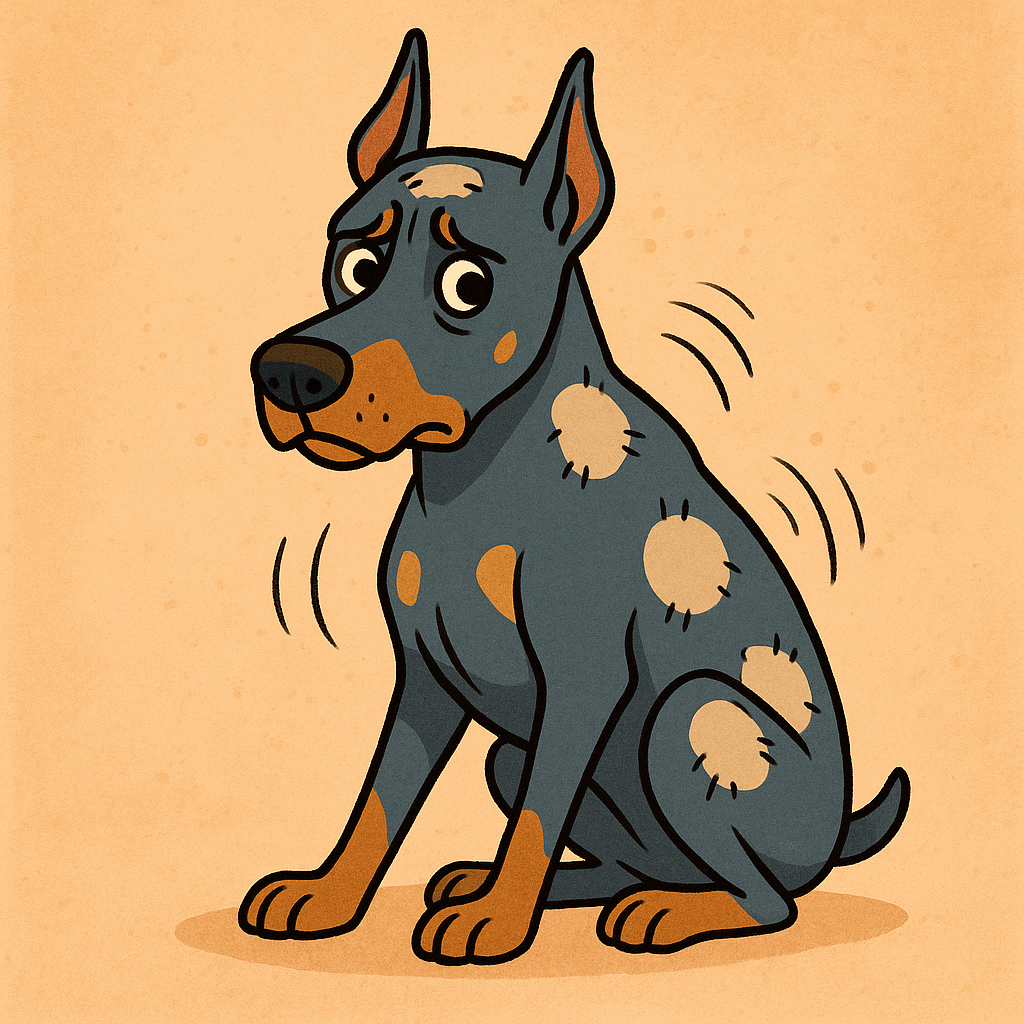
Dogs, like humans, can suffer from varying degrees of skin sensitivity. While some dogs can roll in the grass without a care in the world, others may develop rashes, itching, or irritation from environmental triggers, diet, or genetic predisposition. Skin health plays a crucial role in a dog’s overall well-being, so understanding the causes and solutions is essential for any responsible dog owner.
This article will explore the common causes of skin sensitivity in dogs, effective treatment options, and how specific breeds—including Dobermans and dogs with dilute or albino coloring—are more prone to certain skin issues.
Table of Contents
What Is Skin Sensitivity in Dogs?
Skin sensitivity in dogs refers to an increased reactivity of the skin to environmental, dietary, or internal factors. This can manifest in a range of symptoms, such as:
- Persistent scratching or licking
- Redness or inflammation
- Dry, flaky patches
- Hair loss in certain areas
- Small bumps or pustules
- Hot spots (localized moist skin infections)
The severity can vary from mild irritation to chronic, debilitating conditions.
Common Causes of Skin Sensitivity in Dogs
There’s no single cause of skin sensitivity in dogs. Often it’s a combination of factors working together. Some causes are short-term and easily resolved, while others are chronic and require lifelong management. Below are some of the most common culprits, along with how they affect your dog’s skin.
1. Environmental Allergies (Atopy)
Environmental allergies in dogs are similar to hay fever in humans, but instead of sneezing, dogs often show skin symptoms. Common allergens include pollen (from trees, grasses, and weeds), mold spores, dust mites, and even indoor air pollutants.
How it happens: When an allergic dog encounters the allergen—whether by inhalation, skin contact, or licking it off their fur—the immune system overreacts. This triggers inflammation in the skin, which can present as:
- Red, inflamed paw pads (dogs often lick or chew their feet)
- Rash-like irritation on the belly or armpits
- Recurrent ear infections (especially yeast infections)
- Chronic itchiness that worsens seasonally or year-round
Note: Because allergens are often unavoidable, environmental allergies tend to require ongoing management rather than a complete cure. (check our detailed post on allergies here)
2. Food Allergies & Intolerances
Food-related skin issues occur when the dog’s immune system reacts abnormally to a certain ingredient in the diet. This is different from food intolerance, which doesn’t involve the immune system but can still cause inflammation and irritation.
Common triggers:
- Animal proteins: chicken, beef, lamb, fish
- Dairy products
- Soy and certain grains (wheat, corn)
Signs to watch for:
- Generalized itchiness or constant scratching
- Ear infections that return even after treatment
- Redness or hair loss around the muzzle, eyes, or paws
- Accompanying digestive issues such as loose stools or chronic gas
Food allergies usually require an elimination diet—feeding a single novel protein or hydrolyzed protein diet for several weeks to see if symptoms improve, followed by careful reintroduction to identify the culprit.
3. Parasites
Parasite-related skin sensitivity in dogs can effect even the cleanest, best-groomed dogs. Fleas, ticks, lice, and mites all have the potential to cause severe irritation, but flea bites are by far the most common.
Flea Allergy Dermatitis (FAD): In sensitive dogs, even a single flea bite can cause an extreme allergic reaction to flea saliva. This often results in intense itching, hair loss, and open sores—particularly around the tail base and inner thighs.
Other parasitic skin issues include:
- Sarcoptic mange (scabies): Extremely itchy and contagious
- Demodectic mange: Often seen in young or immune-compromised dogs
- Ear mites: Cause scratching and head shaking, sometimes with crusty ear discharge
Prevention is key — but it doesn’t have to mean harsh chemicals.
At Wonder Doberman, we prefer natural parasite prevention whenever possible. This can include:
- Regular coat checks — running your hands through your dog’s fur daily to feel for ticks or flea dirt.
- Frequent grooming and bathing — using gentle, dog-safe shampoos to wash away parasites before they become a problem.
- Natural repellents — such as diluted essential oil sprays (only dog-safe ones, like cedarwood or lavender, and never on cats), neem oil, or food-based supplements that help make your dog less appealing to pests.
- Clean living spaces — frequent vacuuming, washing bedding in hot water, and keeping the yard tidy to reduce pest habitats.
These methods take more consistency and effort than a monthly chemical treatment, but they’re safer for your dog’s long-term health and help support a toxin-free lifestyle.
4. Contact Irritants
Contact dermatitis occurs when a dog’s skin reacts to something it physically touches. This is not always an allergy—it can also be a direct irritant reaction.
Possible triggers:
- Harsh shampoos or grooming products
- Carpet cleaners or household disinfectants
- Fertilizers, pesticides, or lawn treatments
- Certain fabrics or synthetic bedding materials
Signs:
- Localized redness, rash, or hives where the skin contacted the irritant
- Paw chewing after walking on treated lawns
- Belly rash from lying on certain surfaces
Avoidance is the best solution, along with switching to gentler products and rinsing your dog’s paws or belly after outdoor exposure.
5. Hormonal Imbalances
The endocrine system has a direct impact on skin health. When hormone production is out of balance, the skin and coat can show visible changes.
Common hormonal causes:
- Hypothyroidism: Low thyroid hormone slows skin regeneration, causing thinning hair, dry skin, and increased susceptibility to infections.
- Cushing’s disease: Excess cortisol causes thin, fragile skin, poor wound healing, and symmetrical hair loss.
- Sex hormone imbalances: Intact males and females with certain reproductive hormone issues may develop recurring skin problems.
These conditions usually require veterinary diagnosis through blood work and may need lifelong medication.
6. Genetics & Breed Predisposition
Some breeds naturally have more delicate skin or are prone to certain dermatological conditions. For example:
- Bulldogs and Shar-Peis have skin folds that can trap moisture and bacteria.
- Whippets and Greyhounds have thin skin and very short coats, making them prone to cuts and irritations.
- Dobermans (especially dilute colors) are susceptible to color dilution alopecia.
- West Highland White Terriers and Golden Retrievers often have allergic tendencies.
In these cases, prevention and regular monitoring are crucial, because the underlying predisposition can’t be changed—only managed.
Dobermans and Skin Sensitivity
Dobermans are generally a low-maintenance, short-coated breed, but that short, sleek coat comes with some unique skin considerations especially for certain color varieties (check our guide to Doberman coat colors).
Thin Coat & Minimal Undercoat
Unlike double-coated breeds such as Huskies or Shepherds, Dobermans have very little protective undercoat. Their single, close-lying coat means:
- Greater exposure to environmental elements like sun, wind, cold air, and dry indoor heat.
- Faster heat absorption and loss, which can contribute to dry, irritated skin in both summer and winter.
- Less natural barrier against grass seeds, dirt, and allergens that can penetrate to the skin’s surface more easily.
This makes them more susceptible to skin abrasions, sunburn (especially on lighter areas), and irritation from everyday environmental contact.
Dilute Colors and Color Dilution Alopecia (CDA)
Blue and fawn Dobermans, dilute variations of black and red, are more prone to a hereditary condition known as Color Dilution Alopecia (CDA). This condition affects the structure of the hair shaft due to an abnormal distribution of melanin granules.
How CDA affects the coat and skin:
- The hair shafts become weaker and more brittle, leading to progressive hair thinning or patchy bald spots.
- The surrounding skin often becomes dry, scaly, and more prone to bacterial or yeast infections.
- Coat loss typically starts along the mid-back and spreads over time, though the head and legs often remain unaffected.
While there’s no cure for CDA, careful management can help maintain skin comfort and prevent secondary infections. This may include:
- Gentle, moisturizing shampoos to avoid stripping oils.
- Omega-3 and omega-6 fatty acid supplementation to support the skin barrier.
- Regular vet checks to treat infections promptly.
- Avoidance of harsh grooming tools or frequent clipping, which can irritate the skin further.
Allergic Tendencies
Dobermans aren’t among the most allergy-prone breeds, but they can still suffer from food and environmental allergies, especially if they have dilute coat genes, which already compromise skin resilience. Symptoms may include:
- Chronic paw licking or chewing
- Seasonal belly or armpit redness
- Recurrent ear infections
- Hot spots in areas of hair thinning
A careful diet, natural parasite prevention, and routine skin checks can make a big difference in keeping allergic reactions under control.
Special Care Tips for Dilute Dobermans
Owners of blue or fawn Dobermans should be especially vigilant:
- Sun protection: Apply dog-safe sunscreen to exposed areas like the muzzle, ears, and bald patches when outdoors.
- Minimal bathing: Only bathe when necessary, using mild, hydrating products.
- Moisture maintenance: Use coconut oil, shea butter, or vet-approved moisturizers to prevent dryness.
- Year-round protection from elements: In colder climates, coats or sweaters can help prevent windburn and cold-related skin irritation.
With the right care routine, even dilute-colored Dobermans with CDA can live comfortably and maintain healthy skin throughout their lives.
At Wonder Doberman, we health test all of our breeding dogs and follow strict selection standards — including never producing dilute-colored puppies — to ensure the strongest possible coats and overall health in our lines.
Albinism and Skin Sensitivity in Dogs
True albinism in dogs is extremely rare and is caused by a genetic mutation that prevents the production of melanin, the pigment responsible for skin, coat, and eye color. Without melanin, there is no natural protection against UV light and certain environmental factors.
Physical Characteristics of Albino Dogs
- Coat and Skin: Pure white or cream-colored coat with underlying pale pink skin.
- Nose and Paw Pads: Light pink, often with little to no pigment.
- Eyes: Light blue, pinkish, or very pale amber due to lack of pigment in the iris.
- Eyelids and Eye Rims: Often pink or very light-colored, which contributes to light sensitivity.
Skin and Health Risks
Because melanin acts as a natural sunscreen and protective barrier, albino dogs face several unique challenges:
- Sunburn: Skin can burn within minutes of direct sunlight exposure.
- Skin Cancer Risk: Increased risk of squamous cell carcinoma and other UV-related skin cancers.
- Eye Sensitivity: Higher risk of photophobia (light sensitivity), which can cause squinting, tearing, or avoidance of bright areas.
- Irritation from Everyday Elements: Even mild environmental factors like wind, dust, or certain fabrics can cause redness and discomfort.
Special Care for Albino Dogs
Owning an albino dog requires dedicated preventive care:
- Sun Protection:
- Limit outdoor activity during peak sunlight hours.
- Use dog-safe sunscreen on exposed areas (nose, ears, belly).
- Provide shaded areas or UV-protective dog clothing when outside.
- Indoor Safety:
- Place beds and play areas away from windows with direct sunlight.
- Consider UV-blocking window films.
- Skin Maintenance:
- Use gentle, fragrance-free grooming products to avoid irritation.
- Keep skin moisturized with safe, non-toxic creams or coconut oil.
- Eye Care:
- Avoid prolonged exposure to bright lights.
- Consider tinted dog goggles or visors for dogs that spend time outdoors.
Breeding Considerations
Responsible breeders do not intentionally produce albino dogs, as the condition can lead to lifelong management needs and health challenges. Breeding for albinism is widely discouraged due to the potential for skin cancer, vision problems, and overall reduced quality of life if proper care isn’t maintained.
At Wonder Doberman, we test all our breeding dogs to avoid producing puppies with albinism or other preventable genetic conditions.
The “Z Factor” in Dobermans
In Dobermans, the term “Z Factor” refers to the presence of albino ancestry in a dog’s pedigree. The “Z” is a registry marker used by the American Kennel Club (AKC) to identify Dobermans that trace back to the first documented albino Doberman, “Padula’s Queen Sheba,” born in 1976 (see more here).
Dogs carrying the Z Factor are not necessarily albino themselves, but they have the genetic potential to produce albino offspring if bred to another Z Factor carrier. This is why many breeders choose to completely avoid Z Factor lines—to reduce the risk of albinism and the health issues associated with it, such as extreme skin sensitivity, eye problems, and increased cancer risk.
At Wonder Doberman, we carefully research every breeding dog’s pedigree to ensure our program is completely free of the Z Factor. In addition, all of our dogs are DNA-tested clear for Oculocutaneous Albinism, so our puppies are not at risk for albinism or the health issues associated with it.
Final Thoughts
Skin sensitivity in dogs can be frustrating for both pet and owner, but with the right care, it’s highly manageable. Whether your dog is a hearty-coated Labrador or a sleek, dilute-colored Doberman, paying attention to subtle changes in the skin and coat can help you act early and prevent bigger problems.
For dilute-colored Dobermans and albino dogs, extra protection and skin-friendly care routines aren’t optional—they’re a necessity. With proper management, even the most sensitive-skinned dog can live a comfortable, itch-free life.