
Dog DNA: The Genetic Blueprint of Life — and Why It Matters for You
Every living creature carries within its cells a microscopic instruction manual — a complex code that determines everything from the shape of its nose to how its heart beats. This blueprint is called DNA (Deoxyribonucleic Acid). Whether you’re looking at a human, a cat, a tulip, or a Doberman, DNA is what makes each individual unique, while still keeping it part of its species.
For dog lovers — especially breeders and owners who care about the long-term health of their lines — understanding dog DNA isn’t just a curiosity. It’s essential. In a world where irresponsible breeding has led to a rise in genetic disorders, having a grasp of DNA can mean the difference between producing healthy, long-lived puppies and unintentionally passing down harmful traits.
At Wonder Doberman, DNA is not just a scientific term — it’s a daily consideration. It’s the tool we use to make sure our breeding choices are responsible, ethical, and in the best interest of the dogs and the families who love them.
Table of Contents
The Science of DNA — Explained Simply
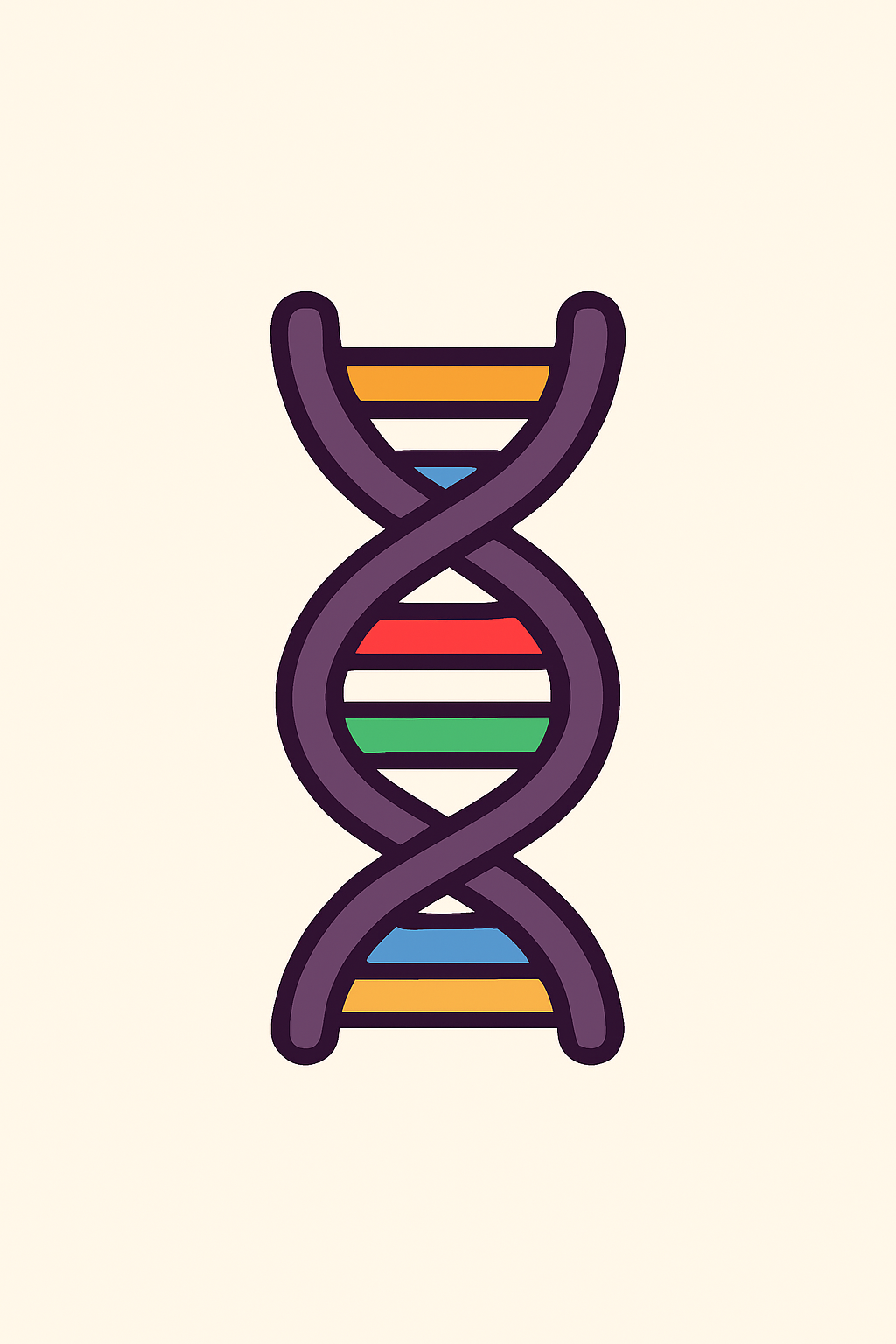
DNA is made up of two long strands twisted into the famous double helix shape, like a spiral staircase. Each “step” of that staircase is a base pair — two chemicals (called nucleotides) that pair together in specific ways:
- Adenine (A) pairs with Thymine (T)
- Cytosine (C) pairs with Guanine (G)
These base pairs form genes, which are like sentences in the instruction manual. Each gene has a specific job: determining coat color, influencing temperament, or controlling how the immune system works.
Genes are organized into chromosomes — bundles of DNA. Dogs have 39 pairs of chromosomes (78 total), compared to humans who have 23 pairs.
When a puppy is conceived, it receives half of its DNA from the dam (mother) and half from the sire (father). This is DNA replication in action — a perfect mix of genetic material forming a new life. However, sometimes changes occur in this replication process. These changes, called mutations, can be harmless, beneficial, or harmful depending on the gene affected.
Dog DNA
Dogs have an incredible variety of genetic diversity — it’s what allows them to range in size from a tiny Chihuahua to a massive Great Dane. However, within each breed, there’s a more limited gene pool. The closer the relatives bred together, the more homozygosity (identical gene copies) appears — which can either fix desirable traits or concentrate harmful ones.
In the Doberman Pinscher, certain genetic markers are strongly tied to breed-defining traits such as the sleek black-and-tan coat, muscular build, and intelligent, loyal temperament. But alongside these positive traits, the Doberman breed also carries higher-than-average risks for specific inherited diseases.
Mixed-breed dogs tend to have more genetic diversity, which can reduce (but not eliminate) the risk of certain inherited diseases. However, “hybrid vigor” is not a guarantee of health — poor breeding practices in mixed dogs can still produce genetic problems.
Genetics and Breeding
For a responsible breeder, DNA knowledge is not optional — it’s a duty.
One of the most important tools is COI — Coefficient of Inbreeding.
What is COI?
The COI measures how closely related the parents are. It’s expressed as a percentage (see the full post here).
- 0% COI means the parents share no common ancestors.
- 12.5% COI is roughly equivalent to breeding half-siblings.
- 25% COI is equivalent to breeding full siblings or parent to child — something responsible breeders avoid.
Many European breeders, and all responsible Doberman programs, aim for COI under 6% for long-term health and genetic diversity. This helps avoid the compounding of hidden recessive genes that can lead to serious illness.
At Wonder Doberman, we aim for a COI of less than 1%, ensuring our adopters can be confident that their puppies have absolutely no health risks linked to high inbreeding. We fully understand the critical importance of low COI—especially since the average Doberman sadly has a COI between 40% and 60%—and we are committed to being part of the solution, not part of the problem.
Health Risks of High COI
High COI breeding increases the risk of:
- Genetic disorders becoming expressed
- Weakened immune systems
- Lower fertility
- Reduced lifespan
In Dobermans, high COI has been linked to increased rates of Dilated Cardiomyopathy (DCM) and cancer — already major breed concerns.
Genetic Health Testing
Modern science has given breeders an incredible advantage — the ability to test for many genetic conditions before breeding. This is not about avoiding imperfections; it’s about protecting the future of the breed.
Common DNA tests for Dobermans include:
- DCM mutations
- von Willebrand’s Disease
- Progressive Retinal Atrophy
- Narcolepsy
- Color dilution alopecia
These tests can also confirm parentage, ensuring pedigrees are accurate. However, not all dog DNA tests are created equal — some commercial tests focus more on breed ancestry for pet owners than on health for breeders. For breeding purposes, tests from laboratories that specialize in veterinary genetics (e.g., Canine Health Check, UC Davis Veterinary Genetics Lab) are preferred.
While many genetic testing companies exist, we advise caution with Embark based on multiple reports from breeders who have experienced inconsistencies and questionable results with their dogs’ tests. Unfortunately, concerns about the reliability of some Embark results have not been fully addressed to breeders’ satisfaction. Because of this, we strongly recommend breeders and owners consider alternative testing laboratories with a proven track record of accuracy and breeder support when making important health decisions.
Breeder insight: A clear DNA test result for one condition doesn’t make a dog automatically “safe” to breed. Many conditions are polygenic (influenced by multiple genes) or have environmental triggers, so test results must be part of a larger breeding strategy.
Genetic Disorders in Dobermans
Unfortunately, the Doberman breed has several serious genetic health concerns. This is where DNA awareness becomes a lifesaver.
- Dilated Cardiomyopathy (DCM)
A heart condition where the heart muscle becomes weak and enlarged, leading to heart failure.- DCM1 and DCM2 mutations are known risk factors.
- Even clear-tested dogs can develop DCM — suggesting more genes are involved.
- Annual heart screening with echocardiograms is critical.
- von Willebrand’s Disease (vWD)
A blood clotting disorder similar to hemophilia in humans.- DNA tests can identify clear, carrier, and affected dogs.
- Carriers can be bred safely to clears, avoiding affected puppies.
- Hypothyroidism
A metabolic disorder that can cause lethargy, weight gain, and coat changes.- Can be hereditary; best prevented by selecting breeding dogs with normal thyroid panels.
- Cervical Vertebral Instability (CVI/Wobbler Syndrome)
A spinal condition affecting neck vertebrae, leading to weakness or paralysis.- Believed to have genetic predisposition, though no definitive DNA test exists yet.
- Eye Disorders
Progressive Retinal Atrophy (PRA) and PHTVL/PHPV are known risks.- Annual eye exams and DNA testing where available help prevention.
Genetic mutations in Dobermans, while relatively rare, can have significant impacts on health and appearance. One notable example is albinism, a condition characterized by a complete lack of pigment in the coat, skin, and eyes. In Dobermans, albinism is linked to a mutation on the Z factor, a gene involved in pigment production. This mutation disrupts the normal synthesis of melanin, leading to the distinct white or pale coat and often resulting in associated health issues like increased sensitivity to sunlight, vision problems, and a higher risk of skin cancer.
Although albino Dobermans are extremely uncommon and generally not accepted in breed standards, this mutation highlights the importance of genetic awareness. Breeders must carefully monitor their breeding lines to avoid unintentionally propagating rare but potentially harmful mutations like those affecting the Z factor, ensuring that their dogs remain healthy and conform to breed expectations.
The Role of DNA in Puppy Development
DNA doesn’t just control disease — it’s behind every aspect of a puppy’s appearance and temperament.
- Appearance traits: Coat color, markings, ear set, eye shape, body size.
- Temperament traits: Nerve strength, prey drive, sociability.
However, environmental factors (nutrition, early socialization, training) also play a massive role — a concept called epigenetics. This means that even if a dog has “shy” genes, good early experiences can greatly improve confidence.
Breeder example: Two perfectly healthy, genetically sound Dobermans can still produce a puppy with a defect due to random mutation or developmental accident in utero. This is why breeders must prepare for any outcome.
Dog DNA, Behavior, and Training
Some behavior traits are hardwired in DNA — for example:
- Prey drive in sighthounds
- Herding instinct in Border Collies
- Protective instincts in Dobermans
These traits don’t make a dog “good” or “bad” — but they do mean owners must train with them in mind. A Doberman genetically inclined to guard may excel in protection sports but also needs careful socialization to avoid becoming overprotective.
Genetics also influence trainability. Dobermans tend to have high working drive and focus, but some lines are more intense than others. Knowing the background of a puppy’s parents can help match them to the right home.
The Future of Canine Genetics
The mapping of the canine genome has opened exciting possibilities:
- More accurate dog DNA health tests
- Polygenic risk scoring
- Potential gene therapies
- CRISPR gene editing to eliminate harmful mutations
However, ethical breeding will always require balance. Just because science can alter genes doesn’t mean it should — breed character, diversity, and natural health must be preserved.
Final Thoughts
Dog DNA analysis is not a crystal ball — it won’t tell you everything about a dog’s future. But it is a powerful tool for making informed breeding and ownership decisions.
At Wonder Doberman, we use genetic knowledge to:
- Maintain COI under 1%
- Screen for all known Doberman health risks
- Pair dogs for both health and temperament compatibility
- Be transparent with puppy buyers
Every breeder has a responsibility to understand and respect DNA. It’s not just science — it’s the foundation of every heartbeat, every wagging tail, and every moment a family gets to share with their dog.