
Understanding Spinal Defects in Puppies: Causes, Prevention, and Care
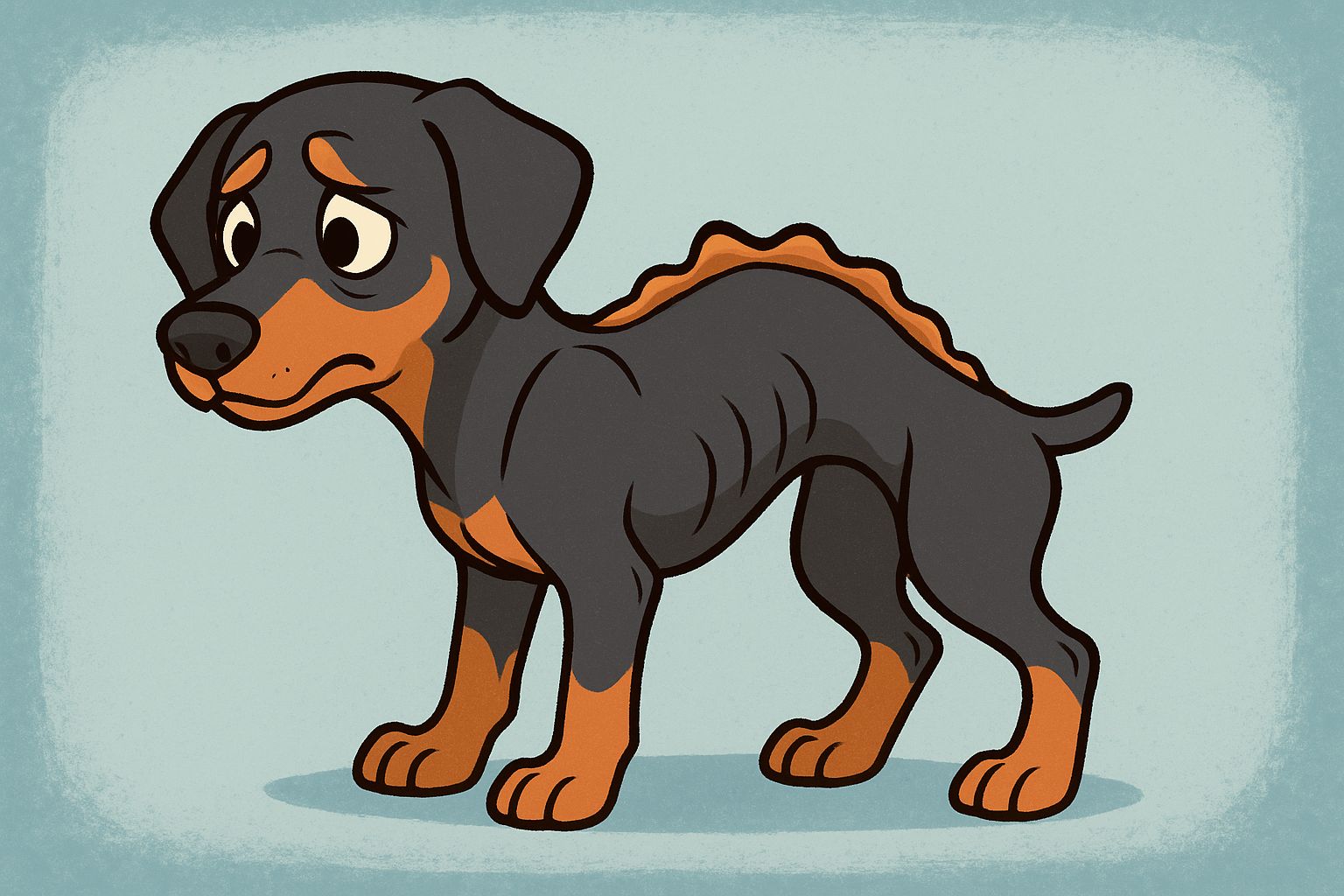
The spine is the backbone—literally—of a dog’s health. It’s the structural column that allows movement, protects the spinal cord, and supports the body’s posture and balance. Unfortunately, puppies can sometimes be born with congenital spinal defects or develop spinal issues early in life.
For breeders, owners, and especially Doberman enthusiasts, understanding these potential problems is critical. While some defects are mild and manageable, others can cause severe pain, mobility issues, or even be life-threatening.
This post will walk you through the types of spinal defects possible in puppies, how they happen, how to prevent them as much as possible, and what to do if one occurs.
1. Types of Spinal Defects in Puppies
1.1 Hemivertebrae
Description: A congenital malformation where one side of a vertebra fails to develop fully, giving it a wedge shape. This can cause curvature or twisting of the spine (kyphosis, scoliosis, or lordosis).
Causes: Genetic mutation; more common in screw-tailed breeds, but possible in any dog. Dobermans are less prone than French Bulldogs or Pugs, but cases still occur.
Symptoms:
- Hunched back
- Weakness in hind limbs
- Difficulty walking
- Incontinence in severe cases
Prognosis: Mild cases may cause no issues; severe cases can lead to paralysis.
Treatment: Observation for mild cases; surgery for severe compression.
Prevention: Avoid breeding dogs with a known history of vertebral malformations.
1.2 Block Vertebrae
Description: Two or more vertebrae are fused together due to improper segmentation during fetal development.
Causes: Congenital error in vertebral formation.
Symptoms:
- Stiffness in movement
- Pain when bending the back
- Potential increased stress on adjacent vertebrae
Prognosis: Often mild, but can predispose the dog to other spinal issues later.
Treatment: Physical therapy, pain management.
Prevention: Breeding dogs with clean spinal imaging.
1.3 Spina Bifida
Description: Failure of the vertebral arches to close over the spinal cord during development.
Causes: Genetic predisposition, nutritional deficiencies in the dam (especially folic acid), environmental toxins during pregnancy.
Symptoms:
- Dimpling or swelling over the spine
- Incoordination
- Hind limb weakness or paralysis
- Incontinence
Prognosis: Mild cases can be symptom-free; severe cases have poor outcomes.
Treatment: Supportive care, bladder management; surgery rarely successful for severe cases.
Prevention: Ensure dam receives a balanced diet with adequate folic acid before and during pregnancy. Avoid breeding affected dogs.
Spina bifida is seen more frequently in certain breeds where the natural bobtail trait is present. This is linked to the T-locus gene, and breeding two parents who both carry the T-locus mutation significantly increases the risk of producing puppies with spina bifida. To reduce this risk, two carriers should never be bred together.
1.4 Atlantoaxial Instability (AAI)
Description: Instability between the first and second cervical vertebrae, often due to a malformed odontoid process.
Causes: Congenital defect or trauma in early life.
Symptoms:
- Neck pain
- Weakness
- Wobbly gait
- Sudden paralysis after minor trauma
Prognosis: Varies; surgery can stabilize the joint.
Treatment: Surgical fusion or neck bracing.
Prevention: Avoid breeding dogs with AAI history. Handle puppies gently during growth.
1.5 Transitional Vertebrae
Description: A vertebra that has characteristics of two different regions (e.g., thoracic-lumbar transition), which can alter biomechanics.
Causes: Developmental anomaly.
Symptoms: Often asymptomatic, but can predispose to hip dysplasia or lumbosacral disease.
Prognosis: Good if no secondary problems develop.
Treatment: None needed unless associated issues arise.
Prevention: Radiographic screening of breeding dogs.
Transitional vertebrae is a spinal anomaly that occurs when a vertebra at the junction between two regions of the spine—most commonly where the lumbar spine meets the sacrum—develops characteristics of both regions. This mixed structure can alter the normal biomechanics of the back and pelvis, sometimes predisposing the dog to conditions like hip dysplasia or lumbosacral instability. While transitional vertebrae can appear in many breeds, it is relatively common in Dobermans and even more prevalent in German Shepherds. In many cases, it is discovered incidentally on X-rays and causes no obvious symptoms, but in others it can contribute to pain, mobility issues, or early degenerative changes. Because it is a congenital defect, careful breeding selection and spinal screening of breeding dogs are key to reducing its occurrence.
1.6 Caudal Articular Process Dysplasia
Description: Abnormal or missing caudal articular processes, causing instability.
Causes: Genetic malformation.
Symptoms:
- Pain in lower back
- Neurological signs in rear limbs
Prognosis: Guarded in severe cases.
Treatment: Surgical stabilization if instability is significant.
Prevention: Avoid breeding affected lines.
1.7 Kyphosis, Lordosis, and Scoliosis
Description: Abnormal curvatures of the spine — kyphosis (hunched), lordosis (swayback), scoliosis (side curve).
Causes: Can result from hemivertebrae, muscle imbalance, trauma, or nutritional issues.
Symptoms: Visible spinal curve, stiffness, gait abnormalities.
Prognosis: Depends on cause and severity.
Treatment: Address underlying cause; physiotherapy; in rare cases, corrective surgery.
Prevention: Balanced nutrition during pregnancy and growth, genetic screening.
1.8 Wobbler Syndrome (Cervical Spondylomyelopathy)
Description: A condition common in Dobermans where cervical vertebrae compress the spinal cord.
Causes: Combination of genetic predisposition, growth patterns, and possibly nutrition.
Symptoms:
- Wobbly, uncoordinated gait (especially in hind limbs)
- Weakness
- Neck pain
Prognosis: Manageable with surgery or medical therapy, but progressive in some cases.
Treatment: Surgical decompression and stabilization; conservative management with anti-inflammatories and physical therapy.
Prevention: Avoid overfeeding puppies for rapid growth; choose breeding dogs without history of Wobbler syndrome.
Wobbler syndrome is unfortunately very common in Dobermans and must be taken seriously. If you are a breeder, you should never breed any dog diagnosed with this condition. If you are an owner and your Doberman is diagnosed with Wobbler, it is important to inform your breeder so they can review which parent may carry the predisposition and take every possible step to avoid producing affected puppies in the future. Another important fact to know is that pressure on the neck can significantly worsen the risk of spinal problems in dogs prone to this disease. For this reason, while a flat collar may seem like the most comfortable or attractive option to some, it can actually be more harmful for a Doberman at risk of Wobbler than a well-fitted prong collar, which distributes pressure more evenly and reduces strain on the neck. Every training tool has its purpose, and when used correctly, no one should be judged for their choice. At Wonder Doberman, we are pro-martingale, but we also understand why many owners choose a prong collar and we have nothing against its use when fitted and handled properly. It should always be used with care and never to cause harm. However, a choke chain can be extremely dangerous—and potentially deadly—for a dog with Wobbler syndrome.
1.9 Occipitoatlantoaxial Malformation
Description: Malformation where the base of the skull and first two cervical vertebrae develop abnormally, compressing the spinal cord.
Causes: Genetic; more common in toy breeds but possible in large breeds.
Symptoms:
- Neck pain
- Weakness
- Ataxia
Prognosis: Poor without surgical correction.
Treatment: Surgery if feasible.
Prevention: Avoid breeding affected dogs.
1.10 Tethered Cord Syndrome
Description: The spinal cord is abnormally attached within the spinal canal, limiting movement and causing stretching.
Causes: Developmental defect.
Symptoms:
- Progressive weakness
- Pain
- Loss of bladder/bowel control
Prognosis: Guarded; surgical release may help.
Prevention: Genetic vigilance.
1.11 Vertebral Canal Stenosis
Description: Narrowing of the spinal canal, compressing the cord.
Causes: Can be congenital or due to early-onset degenerative change.
Symptoms: Pain, ataxia, weakness.
Prognosis: Variable; surgery may help.
Prevention: Screening breeding dogs, avoiding known lines with stenosis.
2. Prevention Strategies
Genetic Screening:
- Use health-tested breeding stock.
- Consider spinal imaging (X-ray or MRI) for breeding dogs, especially in breeds prone to defects.
Nutritional Support:
- Balanced diet with adequate folic acid before and during pregnancy.
- Avoid overfeeding puppies to limit rapid growth stress on the spine.
Environmental Care During Pregnancy:
- Avoid toxins (certain medications, pesticides, mycotoxins).
- Reduce risk of trauma to the dam.
Avoid Inbreeding:
- Keep Coefficient of Inbreeding low to minimize genetic defect risks.
3. What to Do if It Happens
Early Detection: Watch for abnormal gait, posture, or pain.
Veterinary Imaging: X-rays, CT, or MRI for definitive diagnosis.
Tailored Treatment: Ranges from conservative care to advanced surgery.
Supportive Care: Physiotherapy, hydrotherapy, pain management.
Quality of Life Consideration: For severe untreatable cases, discuss options with a vet.
4. Living with a Puppy with Spinal Defects
Some spinal defects are compatible with a happy, active life if managed well. Adjusting the environment, using mobility aids, and maintaining a healthy weight can make a huge difference. Breeders and owners should work together to ensure that these puppies have the best chance for comfort and joy.
Final Thoughts
Spinal defects in puppies are not only a medical challenge but also an ethical and emotional responsibility for breeders and owners alike. While some defects are mild and compatible with a long, happy life, others can cause lifelong pain, reduced mobility, or even be life-threatening. Understanding the potential risks—from common conditions like Wobbler syndrome and transitional vertebrae to rarer anomalies such as tethered cord syndrome—is the first step in prevention.
As breeders, the choices we make today directly shape the health and welfare of future generations. This means committing to health testing, avoiding risky genetic combinations, and refusing to breed dogs with known spinal disorders. For owners, awareness is equally important. Early recognition of symptoms, honest communication with your breeder, and a proactive veterinary care plan can make all the difference in a dog’s quality of life.
Preventing spinal defects isn’t about perfection—it’s about responsibility, knowledge, and the willingness to make hard decisions in the best interest of the dogs we love. At Wonder Doberman, we believe that education and transparency are just as important as love and care. By working together—breeders, owners, and veterinarians—we can reduce the occurrence of these painful conditions and ensure that every puppy has the best possible chance for a strong, healthy spine and a joyful, active life.