
Fenced Yard for Dogs: Freedom, Bonding, and Why It’s Not a Substitute for Walks
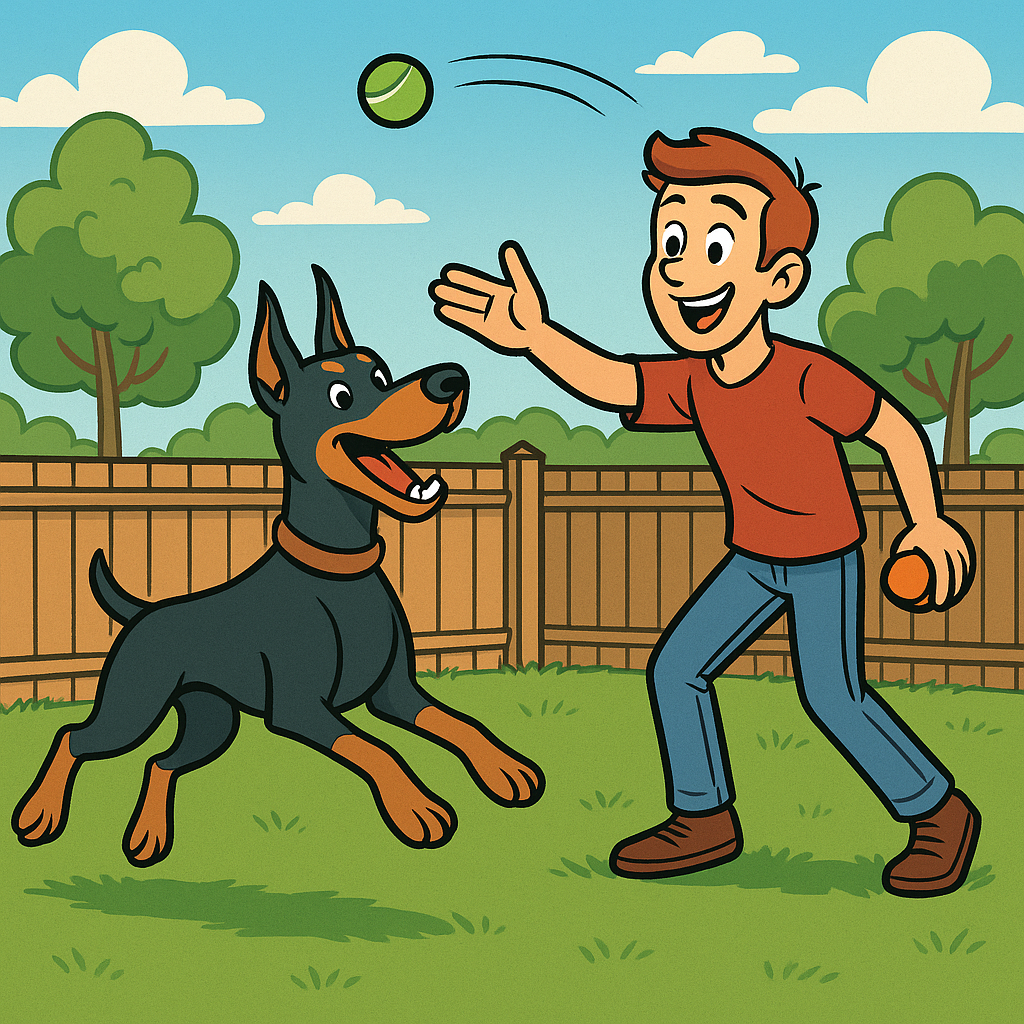
If you’ve ever dreamed of giving your dog a safe, enclosed space to run free, zoom with joy, or just bask in the sun, a fenced yard might be the perfect solution. At Wonder Doberman, we understand how valuable it is to offer our dogs room to express their instincts, play freely, and explore safely. That’s why we built our own fenced yard for dogs – more than 100,000 square feet of securely enclosed, dog-friendly terrain – and our dogs absolutely love every inch of it.
But here’s the thing: a fenced yard is not a substitute for real engagement. It’s not an excuse to skip walks, avoid training, or let your dog “raise themselves” while you stay indoors. Instead, a fenced yard should be treated as a powerful tool for enrichment, potty training, bonding, and safe exercise—especially zoomies! In this article, we’ll break down why a fenced yard can be a game-changer, how to use it wisely, and how to make the most of it (even on a budget).
Table of Contents
Why a Fenced Yard for Dogs Is a Gift You Too
Having a fenced yard for dogs is about so much more than convenience. It’s a space where they can:
- Feel secure while enjoying freedom
- Burn off excess energy with zoomies and play
- Learn new things like fetch, impulse control, and leash recall
- Potty in peace without distractions or anxiety
- Bond with you in a relaxed and natural environment
Dogs thrive in open, secure spaces where they can move freely but still feel connected to their people. Even breeds like Dobermans that are intensely loyal and attentive need room to stretch, sprint, sniff, and snooze outside. A fenced yard gives your dog those opportunities—without compromising their safety.
Our Personal Story: Over 100,000 Square Feet of Tail-Wagging Freedom
We built our own fenced yard because we wanted something more for our dogs than a leash walk around the block. Our property includes more than 100,000 square feet of fenced, dog-safe land. It took planning, budgeting, and some elbow grease—but the results were worth every second. Seeing our dogs fly across the yard, chasing each other with sheer joy in their eyes, is something we’ll never get tired of.
We’re incredibly lucky to have access to 2.6 million square feet of land for our dogs—but no matter the size of your property, it’s absolutely essential to respect your city’s rules before starting any construction. Many municipalities have specific regulations about fence height, materials, distance from property lines or streets, and more. Some cities even limit the type of fencing allowed in certain zones.
Most importantly, nearly every city requires you to obtain a permit before making changes to your property – even for something as “simple” as installing a fence. It might feel like extra hassle, but skipping this step can lead to serious consequences. Imagine putting in all that time, money, and sweat to build your dream dog yard, only to have the city demand that you tear it down or make costly changes. Always check first, follow the rules, and do things the proper way – it’s the best way to protect your investment and your dog’s freedom.
Zoomies and Freedom: A Safe Yard Is the Perfect Playground
If you’ve ever witnessed your dog get the “zoomies”—that magical, explosive burst of energy that sends them flying in circles—you know how important it is to have a safe place for it. Dogs zoom when they’re happy, excited, or just need to let off steam. A fenced yard gives them a secure stage to unleash their joy.
Dobermans especially benefit from zoomie-safe zones. They’re athletic, fast, and love to show off. The last thing you want is your dog zooming full speed into the street or through a neighbor’s garden. A fenced yard keeps those bursts of energy safe and stress-free.
Tip: Add natural features like paths, small hills, or open stretches for sprinting. Dogs love variety in terrain.
Fenced Yard ≠ No More Walks
This is the part many people get wrong.
Just because your dog has access to a yard doesn’t mean they don’t need walks. Walks serve a completely different purpose than free play in a yard. While a fenced yard offers freedom and exercise, walks provide:
- Leash skills
- Exposure to new scents and sights
- Structured bonding time
- Mental stimulation
- Socialization opportunities
You don’t walk your dog just to tire them out – you walk them to build a relationship. To train. To let them explore the world in a calm, focused way. A fenced yard is fantastic – but it’s not a replacement.
The Hidden Perks of Potty Training in a Yard
If you’ve ever struggled with potty training, a fenced yard can be a secret weapon – especially for dogs who value privacy.
Many dogs, including our Bango, prefer not to go potty on leash. No matter how often we walk him, if he has access to the yard, that’s where he wants to do his business. And that’s perfectly okay.
Some dogs just need to sniff, pace, circle, and feel secure to go. A fenced yard offers that. It allows the dog to choose the perfect spot, without the pressure of a leash or distractions like cars and strangers.
Why Potty Privacy Matters
Dogs have instincts that go back thousands of years. In the wild, choosing a bathroom spot was about more than comfort – it was about survival. They looked for quiet, safe, scent-friendly areas where they could go without attracting predators. For some dogs, that instinct still runs deep.
So, if your dog refuses to potty on a leash, you’re not alone. And a fenced yard can make the process easier, less stressful, and more successful.
Size Doesn’t Matter (That Much)
Let’s get this out of the way: you don’t need 100,000 square feet to make a great fenced yard.
We’re lucky to have a big property—but the principles are the same no matter the size. A well-designed 600-square-foot yard can be just as valuable if it’s used wisely.
What matters more than size is:
- Safety (no escape routes, good fencing)
- Use (do you go out with your dog?)
- Variety (some grass, some gravel, maybe a digging area)
- Consistency (using it often, not just once a week)
A small yard used every day with love, interaction, and play is 100 times better than a giant one your dog explores alone while you stay inside.
Go With Them. Always.
One of the biggest mistakes dog owners make with fenced yards is thinking it gives them permission to disengage.
They open the door, send the dog out, and go back to their phone or TV. But here’s the thing: your dog wants to be with you.
Dogs are social animals. Dobermans especially form strong bonds and crave your attention. If you just send them out alone, the yard becomes boring, meaningless, or even a source of anxiety. They might bark, dig, or pace—none of which are healthy signs.
But when you go with them?
- You create shared experiences
- You reinforce training and engagement
- You get exercise too
- You deepen your relationship
Go out and throw a ball. Run with them. Sit on a blanket and watch the birds together. Practice recall or tricks. Even just standing outside while they sniff makes a difference.
What If You Can’t Have a Fence?
Some people live in places where fencing just isn’t possible. That’s okay. You can still provide many of the same benefits through:
- Long-line training in safe parks
- Daily leash walks with variety
- Off-leash hikes in permitted areas
- Renting fenced yards (yes, it’s a thing!)
While a fenced yard makes some things easier—like potty training and free play—it’s not required to raise a happy, well-adjusted dog. It’s just a tool, not the foundation of your relationship.
Dog parks should be avoided at all costs. They are one of the worst places you can bring your dog—not only are they a hotspot for contagious illnesses, but they’re also full of poorly trained, unpredictable dogs that can cause serious trauma or even death of your loved one. Every single day, dogs are injured or killed in fights at dog parks. These environments are chaotic, unsafe, and completely unregulated. Frankly, they should be banned. No responsible dog owner should ever risk their dog’s safety by going to a dog park.
In Summary: The Wonder Doberman Way
At Wonder Doberman, we believe in using every tool available to give our dogs the best life possible. Our massive fenced yard is one of those tools—but it’s not the only one. We still walk our dogs. We still train them daily. We still go outside with them to play, talk, laugh, and enjoy the moment.
And they love it.
If you’re thinking about building your own, do it! Whether it’s 500 or 50,000 square feet, the size doesn’t matter. What matters is that you use it with love, intention, and presence.
Final Words
A fenced yard can be a sanctuary – a place of fun, freedom, and togetherness. It can make training easier, exercise safer, and bonding deeper. But only if you treat it that way. A yard should never replace real interaction, structured training, or quality walks. Instead, it should enhance your dog’s life by giving them a little extra space to be who they truly are.
And if you ever need help building yours, reach out. We’d be more than happy to share what worked (and what didn’t!) when we built our 100,000+ square foot slice of dog heaven.
Until then – go outside with your dog. Make them feel seen. And don’t be afraid to zoom with them now and then.